Uganda is accelerating its preparations for the 2027 TotalEnergies Africa Cup of Nations, with authorities shifting focus beyond logistics to the vast economic potential tied to hosting the continent’s premier football tournament.
At a press briefing held Tuesday in Kampala, officials emphasized that the tournament—co-hosted with Kenya and Tanzania under the PAMOJA partnership—offers Uganda a rare opportunity to unlock growth across tourism, infrastructure, and private enterprise.
The country is projecting an influx of at least 500,000 visitors, a figure expected to significantly boost demand in hospitality, transport, and related services.
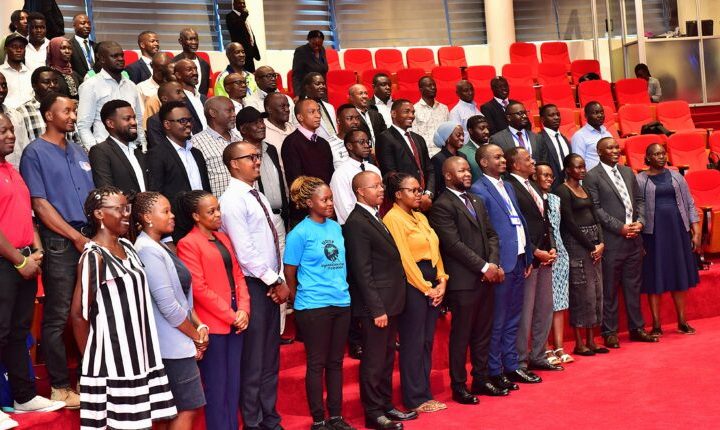
A senior delegation from Confederation of African Football has arrived in Uganda to lead a two-day high-level workshop scheduled for April 22–23.
The sessions, led by CAF Acting General Secretary Samson Adamu, are designed as a coordination platform rather than an inspection exercise—signaling a shift toward deeper operational alignment among the three host nations.
The workshop brings together ministers, football federation presidents, and technical teams to streamline preparations in critical areas such as security, infrastructure, procurement, finance, media, and ticketing. Officials say the engagement reflects CAF’s commitment to ensuring the hosts are synchronized as they move into a more execution-focused phase.
While structural readiness remains central, Uganda is equally intent on leveraging the tournament as an economic catalyst.
Authorities have identified key sectors poised to benefit, including ICT, retail, financial services, and cultural tourism.
Fan-centered initiatives—ranging from branded merchandise to organized viewing hubs—are also expected to create new revenue streams and local business opportunities.
To meet anticipated international standards, stakeholders in accommodation and tourism have been urged to act early.
The Ministry of Tourism, working alongside the Uganda Tourism Board, has reiterated that all facilities—from hotels to private lodges—must undergo formal registration and certification to host international guests.
With sports travelers typically booking up to a year in advance, officials described the current window as critical for upgrades and compliance.
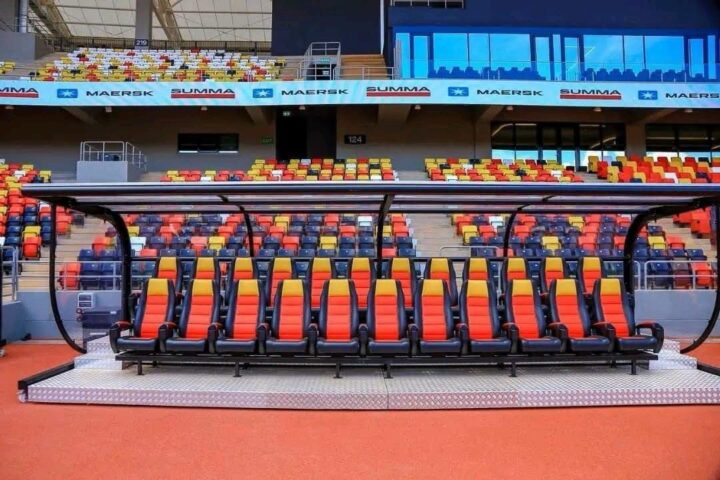
On the infrastructure front, the government has already committed UGX 130.4 billion toward the development of eight training facilities spread across Hoima, Masindi, Lira, Gulu, Kyambogo, and Makerere.
Construction on several sites is set to begin under the UPDF Engineering Brigade, while timelines for upgrading Kadiba Stadium are being finalized in coordination with the Federation of Uganda Football Associations.
Together, these developments underscore Uganda’s dual ambition: to deliver a seamless tournament and to secure lasting economic and tourism dividends.
As coordination with CAF deepens and timelines tighten, the country appears increasingly focused on turning AFCON 2027 into both a sporting success and a transformative national opportunity.