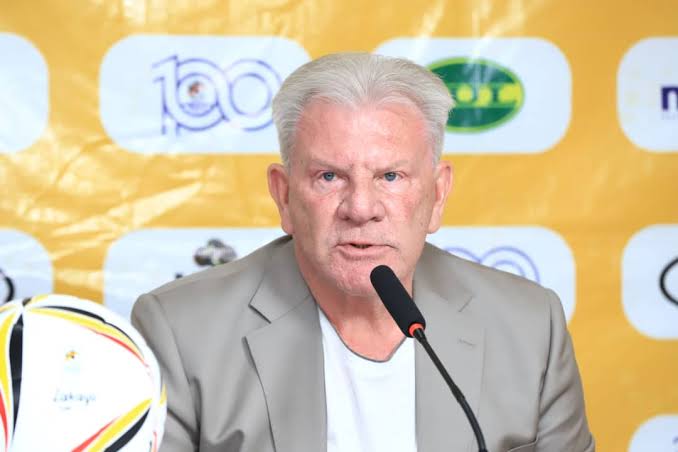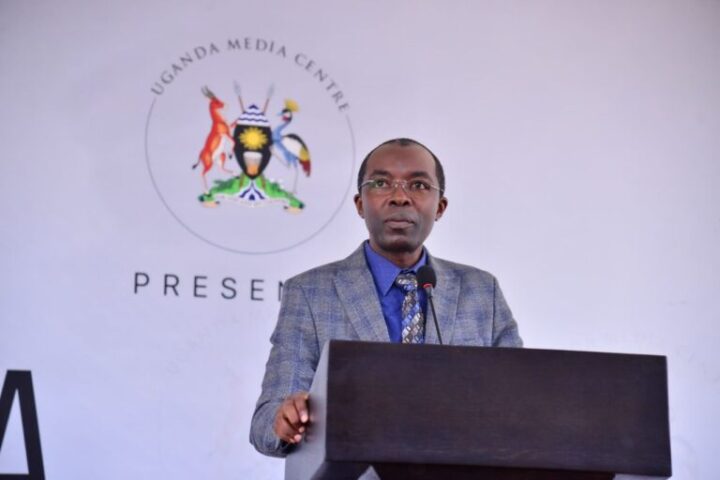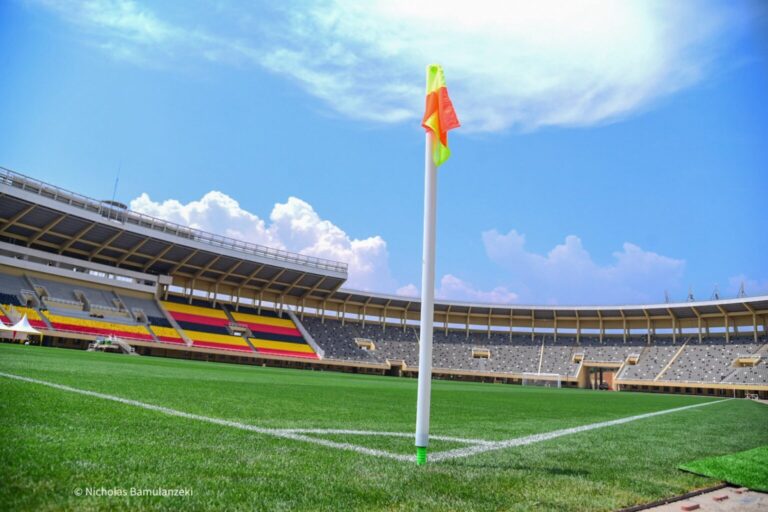
Managing Director Jamil Sewanyana has outlined a series of targeted infrastructure upgrades at Mandela National Stadium, Namboole, as Uganda intensifies efforts to align the venue with Confederation of African Football (CAF) standards ahead of the 2027 Africa Cup of Nations.
The ongoing second phase of renovations follows a CAF inspection report released in February, which flagged critical compliance gaps at the stadium.
Among the key recommendations were structural adjustments to the West Stand, expansion works, and roofing improvements, all aimed at ensuring the facility meets the stringent requirements for hosting continental fixtures.
While CAF raised concerns over the feasibility of the initial 15-month construction timeline, it advised Uganda to retain and optimize the existing structural framework to accelerate delivery, with a revised completion target set for December 2026.
Sewanyana confirmed that the current phase of works is directly informed by these recommendations, with a strong emphasis on reconfiguring core operational areas within the stadium.
He revealed that media infrastructure will be relocated to the West Stand — the main stand — in line with CAF guidelines.
“What we are going to do with the main stand is that we are not demolishing the structure.
All the stands will remain intact. However, we are going to do an extension at the main entrance, at sections 14, 15 and 16.

We shall extend the building to the front and then construct all levels including VVIP and VIP lounges,” Sewanyana said.
The redesign will also deliver a modernized media tribune and workspace facilities to meet international benchmarks.
He added that the upgraded media tribune will meet CAF’s recommendation of at least 350 seats, while the media centre will be designed to accommodate 100 workstations.
“The areas which CAF highlighted include changing the dressing rooms from the East Stand to the West Stand. That is also with the media tribune and media facility, and it has to reach the required standards,” he noted.
Beyond structural reorganization, CAF has also called for enhanced safety and surveillance systems.
In response, Namboole will be fitted with a comprehensive CCTV network designed to provide full coverage of the stadium environment.
“CCTV cameras must capture all angles of the stadium from when fans enter, to sitting before leaving,” Sewanyana said.
Accessibility has also emerged as a priority area, with plans underway to streamline entry and movement within the facility through designated access points for different user groups.

“The next issue is about improving access. We have to put in place dedicated access gates including that for the media and their parking as well, and the same for VVIP and people with disabilities,” he added.
In line with modern stadium design standards, the redevelopment will further introduce a new canopy and facade, mirroring the architectural concept adopted for Hoima City Stadium — the other Ugandan venue earmarked for AFCON 2027.
Capacity expansion is also part of the CAF-aligned upgrades, with an additional 8,000 seats set to be installed, increasing the stadium’s capacity from 37,000 to 45,000.
The works, being executed by the UPDF Engineering Brigade under a one-year contract running from February 2025 to February 2026, are already underway. Initial activities have focused on decommissioning outdated infrastructure to pave the way for reconstruction.

“The work to renovate Namboole is already underway. The contractor has started decommissioning, removing wires and seats as they also plan to do some small breaks,” Sewanyana said.
With designs and work plans already submitted to CAF for approval, Sewanyana expressed confidence that the upgrades will be completed within the required timeframe, positioning Namboole as a compliant and competitive venue for Africa’s premier football tournament.