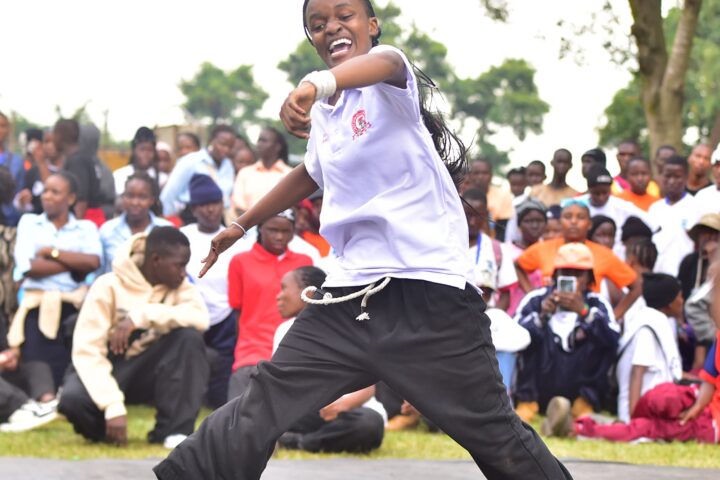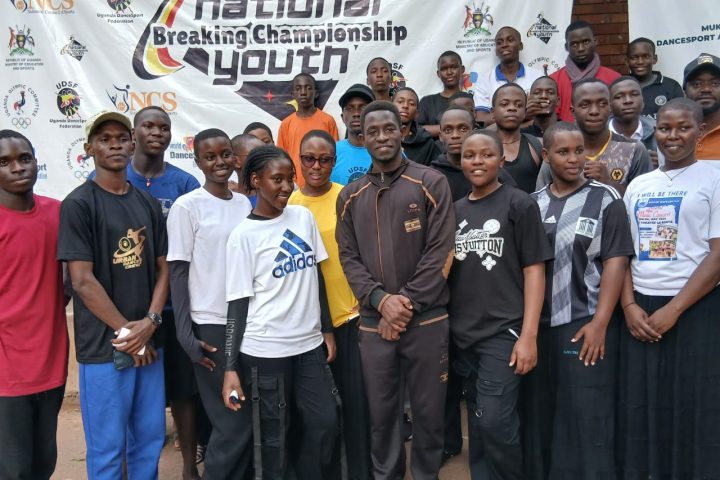
GULU, UGANDA — What began as a niche co-curricular activity is rapidly evolving into a dominant force in school sport.
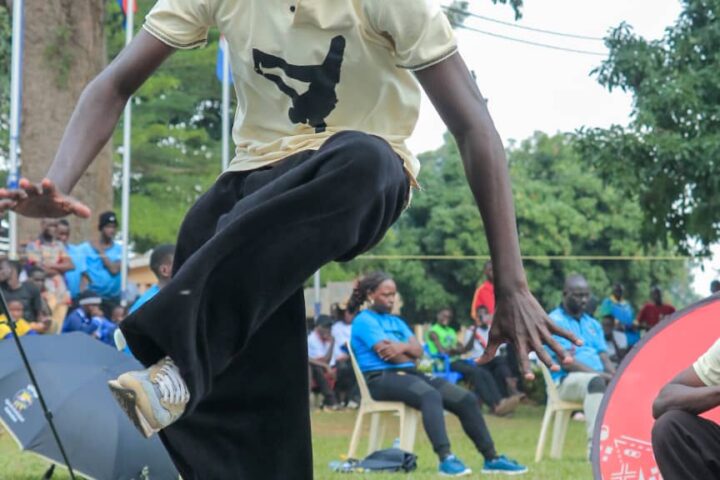
Dancesport has now positioned itself as arguably Uganda’s fastest growing discipline at secondary school level, underlined by its commanding showcase at the recently concluded USSSA Ball Games II in Gulu City.
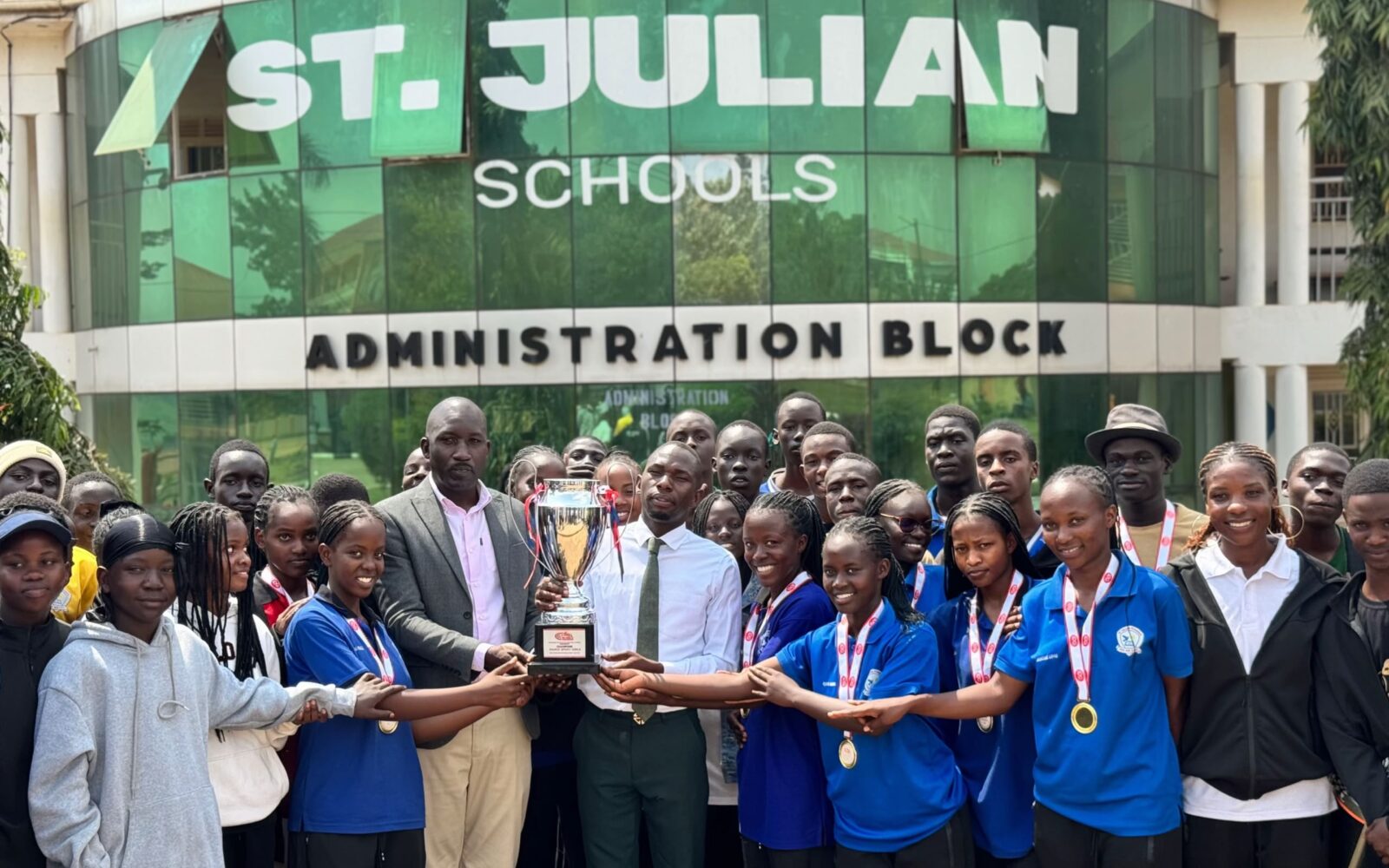
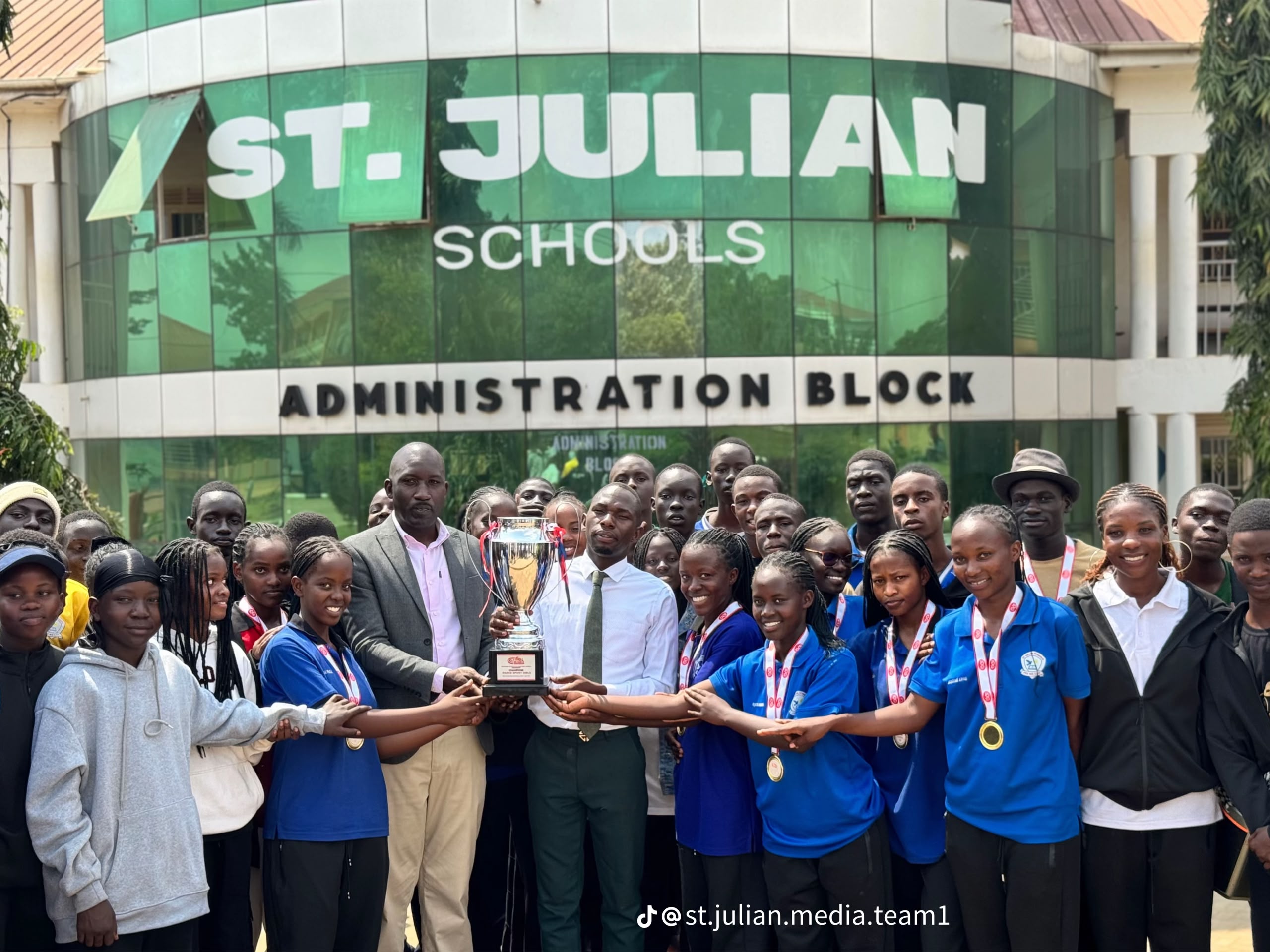
At the heart of the competition, Ntare School delivered a polished and technically superior performance to clinch the boys’ title, while St Julian High School Gayaza displayed elegance and synchronization to secure top honors in the girls’ category.
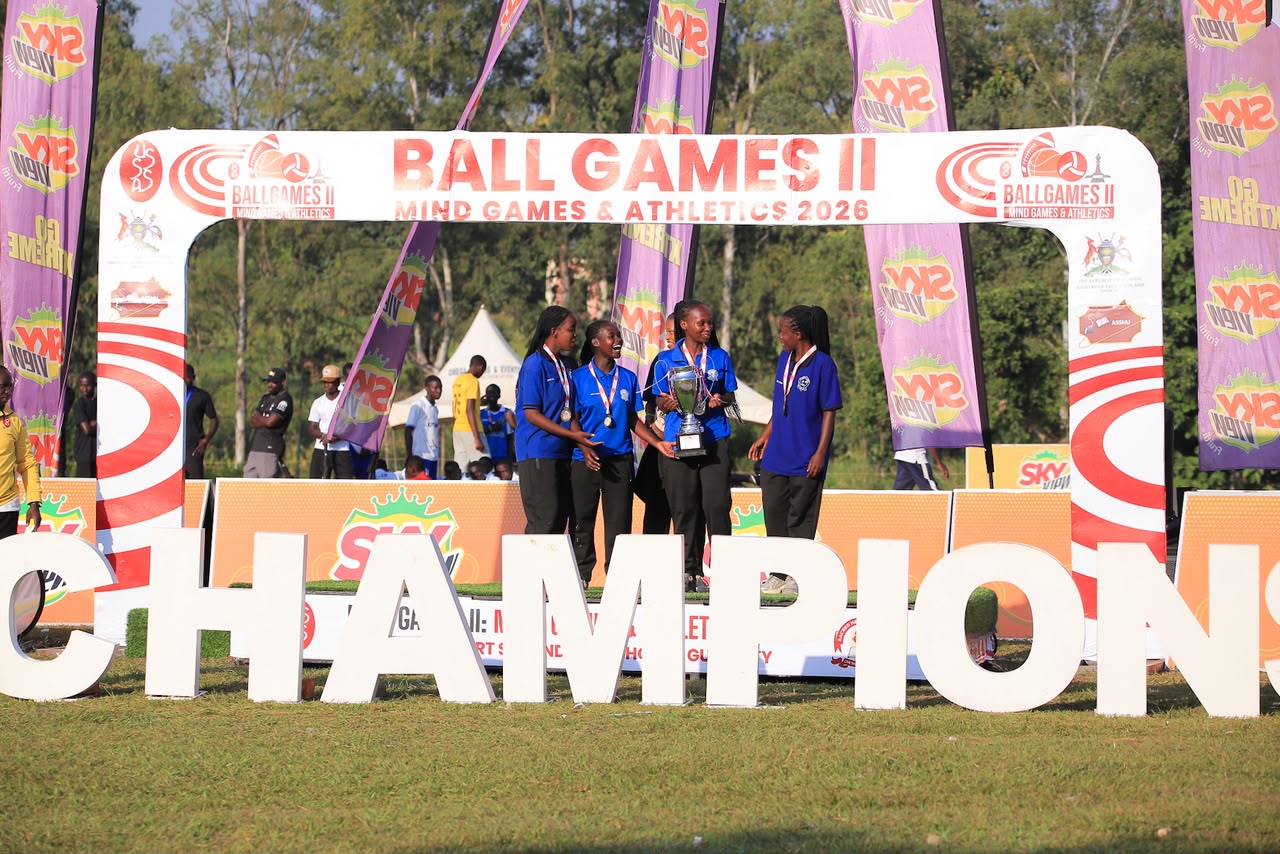
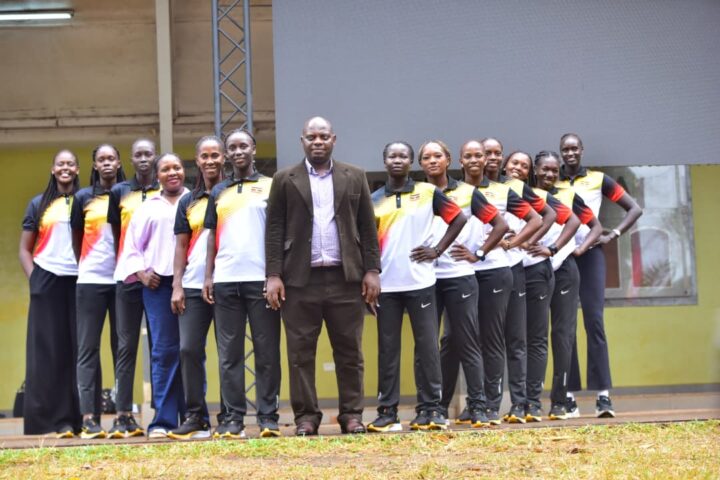
St. Julian High School team
To be crowned champions, St. Julian High School Gayaza secured a 2–1 victory over St. Lawrence Crown City in a nail-biting final thriller.
Likewise, Ntare School stormed to a commanding 3–0 victory against St. Balikuddembe Mitala Maria in the boys’ final.
This year’s DanceSport edition attracted 28 girls’ teams and 29 boys’ teams, with over 340 dancers showcasing flair, rhythm, and competitive excellence—an increase that reflects the sport’s rapid growth since its introduction.

Federation Strategy Driving Nationwide Expansion
The sport’s sharp rise is no accident. According to Mr Barnabas Ssebuyungo, General Secretary of the Uganda Dancesport Federation (UDSF), a deliberate grassroots strategy has fueled the momentum.
“We are seeing the results of taking Dancesport to schools,” he noted.
“We now have 381 registered clubs across 122 districts, which is significantly strengthening our regional capacity and development structures.”
This structured rollout has transformed Dancesport from a peripheral activity into an organized, competitive ecosystem embedded within the school calendar.

Schools Investing Heavily in Talent Development
Secondary schools have not only embraced the sport but are actively investing in it. Several institutions now offer bursaries to talented dancers, integrating athletic excellence with academic progression.
Educationists such as Jeff Serunjogi (St Julian High School Gayaza), Maria Tulina (St Lawrence Schools and Colleges), Daniel Damulira (St Mark’s College Namagoma), Owek Kiwalabye Male (Gombe Education Services), and Rebecca of Kajjansi Progressive have been central figures in nurturing this growth.
Their efforts are complemented by head teachers and administrators who recognize Dancesport’s alignment with Uganda’s competency-based curriculum—particularly its emphasis on creativity, collaboration, and practical skill development.
Traditional Powerhouses Join the Movement
The sport’s credibility has been further reinforced by adoption among traditional and established schools.
Institutions such as Ntare School, Mbarara High School, Sacred Heart Secondary School Gulu, Muntuyera High School, Sheema Girls School, Elite High School Entebbe, Nyakasura School, and St Balikudembe Secondary School Mitala Maria have all played key roles in strengthening grassroots structures.
More Than a Sport: A Modern Educational Tool
Beyond medals and trophies, Dancesport is proving to be a multidimensional development platform. School administrators highlight its ability to instill discipline, confidence, teamwork, and creativity, while also offering a viable pathway to national and international representation.
Its fusion of music, rhythm, and athleticism resonates strongly with today’s learners, making it one of the most accessible and engaging disciplines in the current school sports framework.
A Sport on the Brink of Global Relevance
With just five years of integration into the USSSA competition structure, Dancesport’s trajectory is unmistakably upward.
Its rapid expansion across districts, increasing institutional investment, and growing competitive depth suggest a sport not only thriving locally but one with the potential to elevate Uganda onto the global stage.
From Gulu’s vibrant dance floors to classrooms nationwide, Dancesport is no longer an emerging trend—it is a full-fledged movement reshaping the landscape of school sport.