There is a quiet public-health crisis unfolding in Uganda—not in hospitals, but in markets, roadside stalls, kitchens and food-handling points.
It does not announce itself with violence. It begins with something much more ordinary: a dirty cutting board, an unwashed spoon, contaminated hands, improperly stored food, blocked drainage or produce spread out on dusty roadsides.
We see these things every day. We have become so accustomed to them that many no longer shock us.
But they should.
The question is no longer simply whether Uganda has enough food. It is whether the food we produce, prepare, sell and consume is being handled safely.
THE BLACK CUTTING BOARD
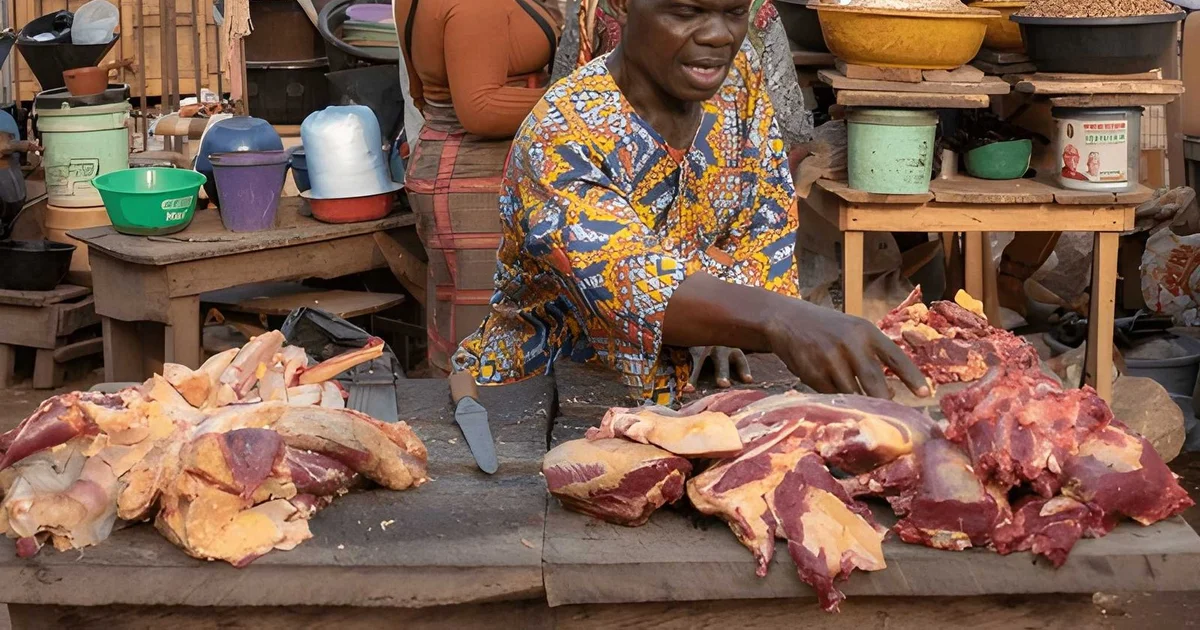
Visit a meat market late in the evening.
The day’s work ends. The butcher washes his knife, perhaps wipes his hands and walks away.
But the cutting table remains.
Some of these surfaces carry years of accumulated blood, grease and dirt. At night, stray dogs move through the market in search of food.
They sniff, lick and feed around the same surfaces where meat will be prepared the following morning.
By dawn, business resumes.
Fresh meat is placed on the same table, chopped and sold to families.
The danger is not necessarily visible. Food contaminated with harmful microorganisms can look, smell and taste perfectly normal.
That is the real problem.
WHEN HYGIENE BECOMES AN AFTERTHOUGHT
The problem extends far beyond butcheries.
I have seen food served by people with open wounds on their hands. I have seen roadside vendors handling food immediately after touching their bodies, their faces or contaminated surfaces without washing their hands.
I have seen children sent to sell food by the roadside—children who may have little understanding of food-safety practices.
A child scratches his head or nose, touches a dirty surface and then reaches directly into roasted maize, chapati or samosas.
The food may look appetising.
The contamination is invisible.
In Bukomansimbi, I encountered a young vendor handling food under conditions that should have prompted an immediate hygiene inspection.
In Nyendo, I watched a grasshopper vendor overturn his table onto dusty, contaminated ground before returning it and putting the food back on top.
Then there were the fingernails—long, visibly dirty and capable of carrying contamination directly into the food.
These are not merely matters of appearance.
They are food-safety concerns.
THE ROADSIDES ARE NOT FOOD-PROCESSING FACILITIES
Travel along the Kampala–Mbale corridor through places such as Tirinyi and Iganga and another familiar practice comes into view.
Cassava, maize and groundnuts are spread out along roadsides to dry.
Vehicles pass continuously.
Dust rises.
Exhaust fumes settle. Tyres move through mud and contaminated material.
Yet food intended for human consumption is left exposed to the environment.
We have normalised something that should concern us.
The same applies to drainage channels around markets.
Some are clogged with fish waste, intestines and other organic material. Instead of carrying wastewater away, they become stagnant channels of decomposition.
The smell is not simply unpleasant.
It is a reminder of what happens when sanitation infrastructure collapses around food markets.
THE SPOON THAT TELLS THE STORY
At Mukayembe, ask for a spoon.
You may find one retrieved from a black polythene bag, its surface carrying layers of grime accumulated through repeated use without proper cleaning.
In some roadside eateries, flies move freely between waste areas and food.
In Nakulabye, I once witnessed an alarming incident involving a mobile food vendor. A mentally disturbed passer-by mistook the vendor’s food container for a rubbish receptacle and spat into the soup.
The vendor simply shook the container and continued serving.
That moment captured a larger problem: sometimes contamination becomes so normalised that even an obvious incident fails to stop business.
WHERE CANCER ENTERS THE CONVERSATION
This is where food safety intersects with a much bigger public-health concern.
Not every case of cancer is caused by food contamination, and it would be wrong to suggest that every unhygienic practice directly causes cancer.
But some food-related hazards are well established.
Aflatoxins, for example, are toxins produced by certain moulds that can contaminate crops such as maize and groundnuts when they are improperly dried or stored. Long-term exposure to aflatoxin—particularly aflatoxin B1—is associated with an increased risk of liver cancer.
Food can also become a vehicle for infectious diseases when it is contaminated through unsafe water, poor sanitation, inadequate cooking or poor hand hygiene.
And repeatedly heating cooking oil to the point of degradation is another practice that deserves greater attention.
The lesson is simple: food safety is not cosmetic. It is preventive medicine.
THE CHEMOTHERAPY MISCONCEPTION
The same society that sometimes neglects prevention can also misunderstand treatment.
Chemotherapy is often feared because its side effects can be severe.
A simple analogy helps.
Imagine a garden of healthy beans invaded by a stubborn weed. The weed represents cancer.
When the cancer is established, treatment may require powerful medicine designed to destroy rapidly dividing cancer cells.
Chemotherapy can also affect some healthy cells that divide rapidly.
That is why some patients experience side effects such as hair loss, nausea, fatigue and reduced appetite.
But these effects should not be interpreted as evidence that chemotherapy itself is simply “killing the patient.”
Treatment is intended to control or destroy cancer, although its effectiveness and side effects vary according to the cancer type, stage, treatment regimen and individual patient.
Patients undergoing treatment therefore need medical supervision, adequate nutrition according to their clinicians’ advice, hydration and strong social support.
THE RESPONSIBILITY STARTS AT HOME
Uganda cannot leave food safety entirely to health inspectors.
The responsibility begins with the farmer, continues with the transporter, reaches the market vendor and butcher, enters the restaurant kitchen and ultimately reaches the consumer.
We need cleaner markets.
We need food handlers to wash their hands properly and cover wounds.
We need clean utensils and food-contact surfaces.
We need safe storage and refrigeration of meat and other perishable foods.
We need children protected from hazardous working environments.
We need food kept away from roads, drains, animals and contaminated surfaces.
We need better waste management around markets.
And we need consumers to stop treating hygiene as a luxury.
Cleanliness is not a foreign habit. It is not a privilege of the wealthy.
It is public health.
The next time you encounter a blackened cutting board, ask yourself whether you would willingly eat from it.
The next time you see food spread across a dusty roadside, ask what else is settling on it.
The next time a vendor handles money, touches a contaminated surface and immediately reaches for your food, ask for proper hand hygiene.
Small decisions can interrupt large chains of contamination.
Because the greatest danger may not be the food we can see.
It may be the contamination we cannot.
And if we continue to treat basic food hygiene as somebody else’s responsibility, the question will eventually become unavoidable:
What kind of country are we building around the food we feed our families?