A fleeting moment inside a packed stadium has ignited one of the most intense conversations in sport today—where should football draw the line between the game and global realities?
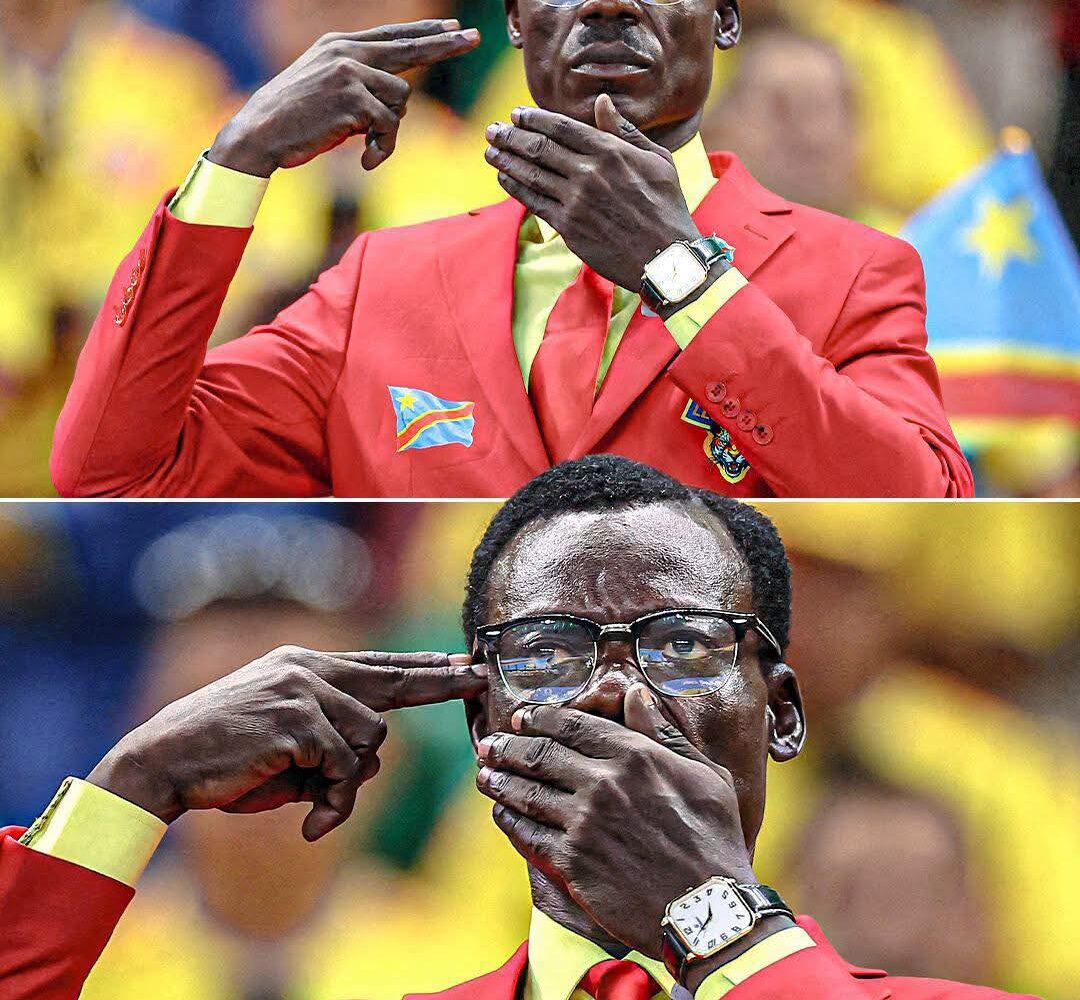
During DR Congo’s high-stakes World Cup clash against Colombia in Guadalajara, renowned Congolese supporter Michel Nkuka Mboladinga—popularly known as “Lumumba Vea”—delivered a striking, wordless protest that has since reverberated far beyond the pitch.
The game was played on Tuesday 24th June as Colombia won the duel 1-0.
Dressed in his trademark style, Mboladinga covered his mouth and gestured as if a gun were pointed at his head.
The imagery was deliberate and unsettling—a symbolic appeal to the world’s silence over the escalating humanitarian crisis in eastern DR Congo, where prolonged violence has displaced millions.
The moment, however, was short-lived on global screens. Broadcast cameras quickly cut away, in line with FIFA’s long-standing regulations restricting political or protest messaging during official matches.
Yet the attempt to contain the scene may have had the opposite effect.
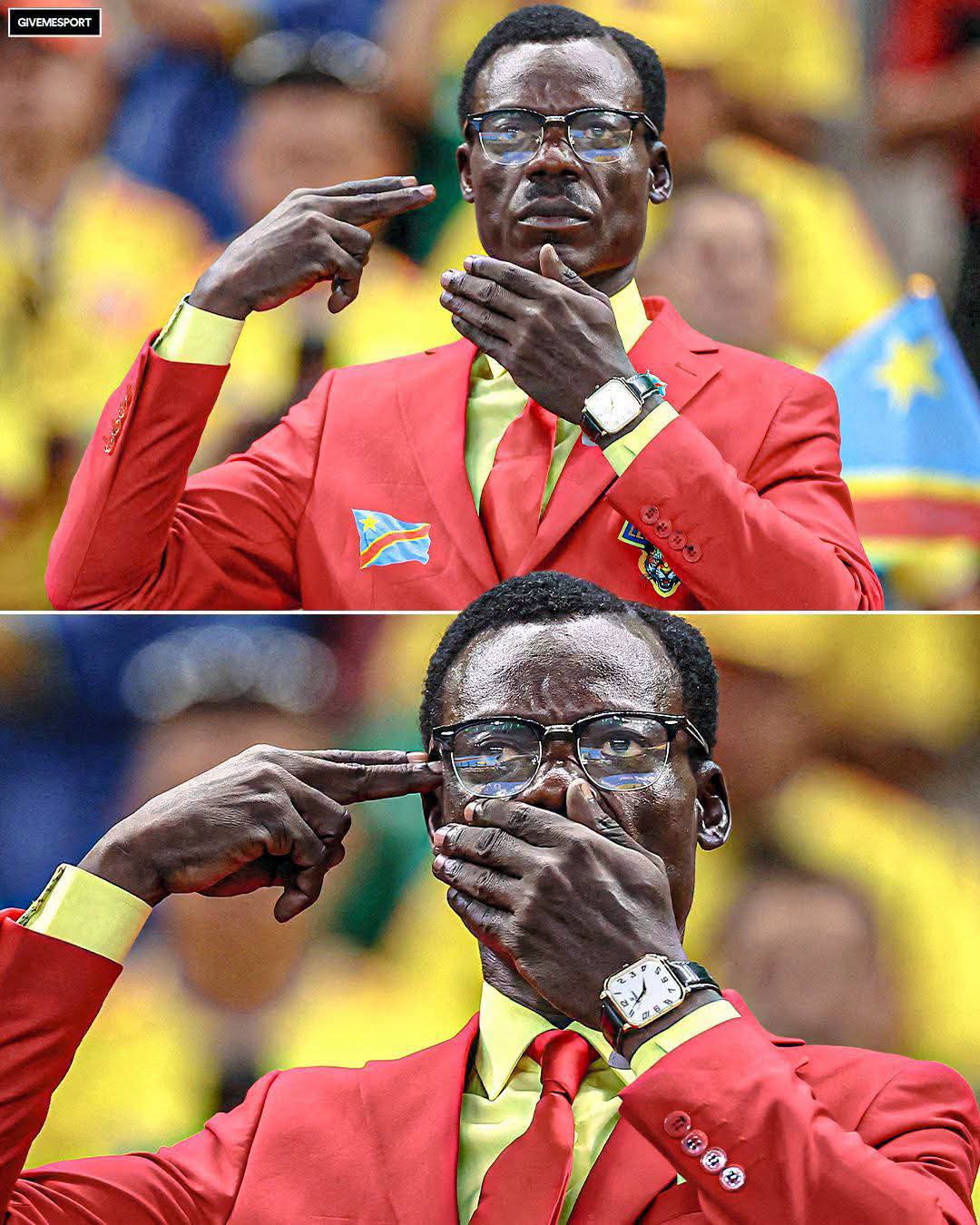
Photo Courtesy: GIVEMSPORT
Clips of the incident spread rapidly across social platforms, amplifying the protest far beyond the stadium and triggering a fierce, polarising debate.
For some, Mboladinga’s gesture represents the moral duty of football’s global stage—to give voice to crises often overlooked. For others, it underscores the need to preserve the sport as a politically neutral space.
At its core, the incident raises a difficult question with no easy resolution: can the world’s most watched sporting event remain insulated from global issues, or is its immense visibility precisely what makes it a powerful platform for awareness?
What is clear is that, for a brief moment, silence spoke louder than any chant—and the world is still listening.