By Joseph Mbazzi Muguluma
Marriage, which Joseph Mbazzi Muguluma once envisioned as a sanctuary of peace, has become, in his telling, a painful struggle for emotional survival.
In an anguished address to his wife, Nabweteme, Muguluma paints a picture of a man whose confidence, dignity and happiness have gradually withered under the weight of domestic conflict.
He recalls the man he once was: impeccably dressed, well-groomed, confident and fragrant with expensive perfumes such as Dior and Montblanc.
Today, he says, torn clothes, worn-out shoes and sunken eyes reflect a painful transformation he attributes to the turmoil in his marriage.
The most distressing part, he suggests, is no longer the struggle outside the home, but the dread of returning to it.
While other men hurry home after work, Muguluma says he sometimes hesitates at his own gate, uncertain whether he will be welcomed or left knocking like a stranger.
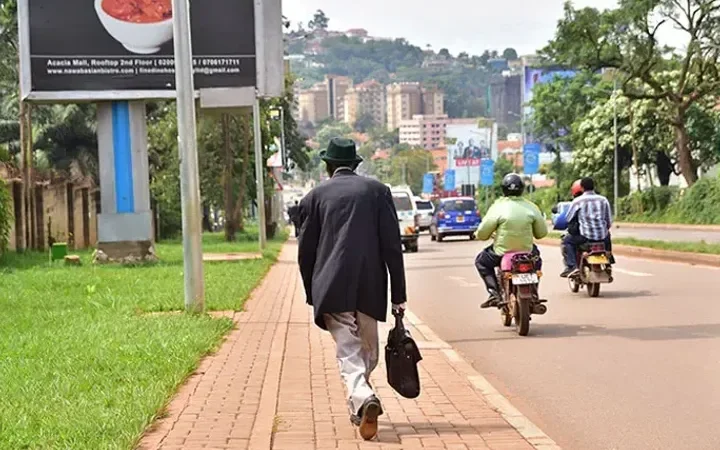
On particularly difficult days, he claims, he walks past his home rather than confront another evening of conflict.
He portrays a household where meals have become another source of bitterness, conversations are dominated by insults, and mutual respect appears to have disappeared.
He also expresses concern over his wife’s alleged visits to traditional healers, which he believes have further complicated their relationship.
Yet Muguluma insists that childlessness, which he says some members of his clan consider the source of their marital difficulties, is not his greatest anguish.
Rather, he identifies disrespect, persistent quarrels and the loss of companionship as the deeper wounds.
He also revisits his decision to marry, recalling how his grandmother, Deborah Nabirye, urged him to exercise patience before committing himself.
He now wonders how he will explain his choice to her.
His account culminates in a desperate longing for release from what he describes as emotional imprisonment.
For Muguluma, the tragedy is not simply a troubled marriage, but the collapse of the peace he hoped marriage would bring.
His lament leaves one haunting question: what happens when the place meant to offer refuge becomes the greatest source of distress?