From football and netball leagues to boxing, night matches and grassroots tournaments, Hamz Stadium is increasingly becoming a multi-sport destination in the heart of Kampala.
But has it done enough to earn the title of Uganda’s sports hub?
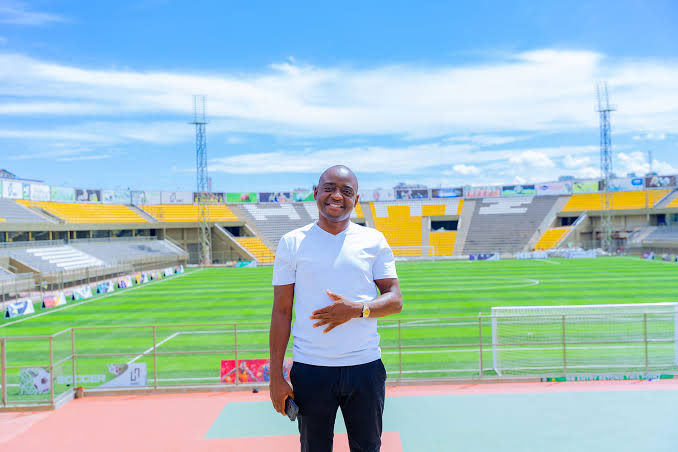
Established nearly a century ago, Hamz Stadium, formerly known as Nakivubo War Memorial Stadium, is writing a new chapter in Uganda’s sporting history.
Once regarded primarily as a football venue, the facility has undergone a remarkable transformation, emerging as a meeting point for football clubs, national teams, netball competitions, boxing and grassroots sporting events.
Since reopening to the public on June 1, 2024, following its commissioning by President Yoweri Museveni on April 25, 2024, the stadium has increasingly positioned itself as one of the busiest sporting destinations in Kampala.
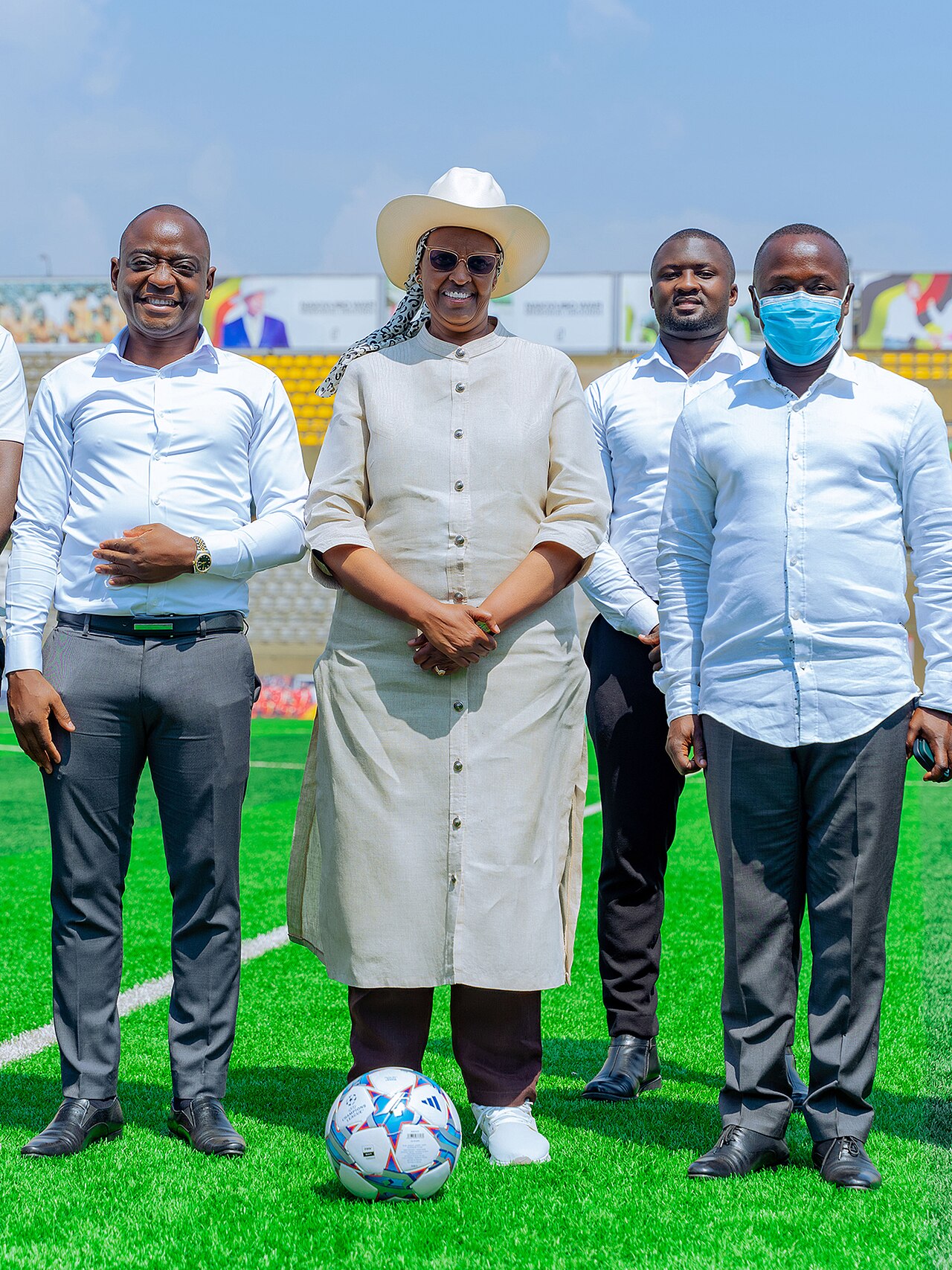
But beyond its imposing stands and modern facilities, a bigger question emerges: Has Hamz Stadium become the sports hub Uganda has long needed?
The evidence is increasingly visible in the range of sporting activities taking place within its grounds.
A FOOTBALL FORTRESS FOR CLUBS AND NATIONAL TEAMS
Hamz Stadium has become a home away from home for several football teams competing across Uganda’s football pyramid.
Four Uganda Premier League clubs — seven-time champions Express FC, URA FC, UPPC FC Entebbe and UPDF FC — use the facility, alongside their respective junior and women’s teams.
The stadium also accommodates CATIDA FC, a competitor in the FUFA Big League, further strengthening its role as a venue serving clubs at different levels of the game.

Its influence extends beyond league football. More than 40 teams participate in the Hamz Cup, one of the local football tournaments hosted at the venue, providing a platform for clubs to compete and showcase their talent.
The facility has also hosted matches in the Masaza Cup, including group-stage fixtures and the final, while its ability to accommodate night football has expanded opportunities for teams and supporters.
With professional clubs, developing players and community competitions sharing the same grounds, Hamz Stadium is becoming more than a match venue — it is part of the wider football ecosystem.
FROM FOOTBALL TO NETBALL: A MULTI-SPORT REVOLUTION
Perhaps the clearest indication of Hamz Stadium’s expanding sporting identity is the growing presence of netball.
Over the past two years, the Uganda Netball Federation has staged its three national league competitions at the facility: the Women’s Uganda Netball Super League, the second-tier league and the Men’s Netball Super League.
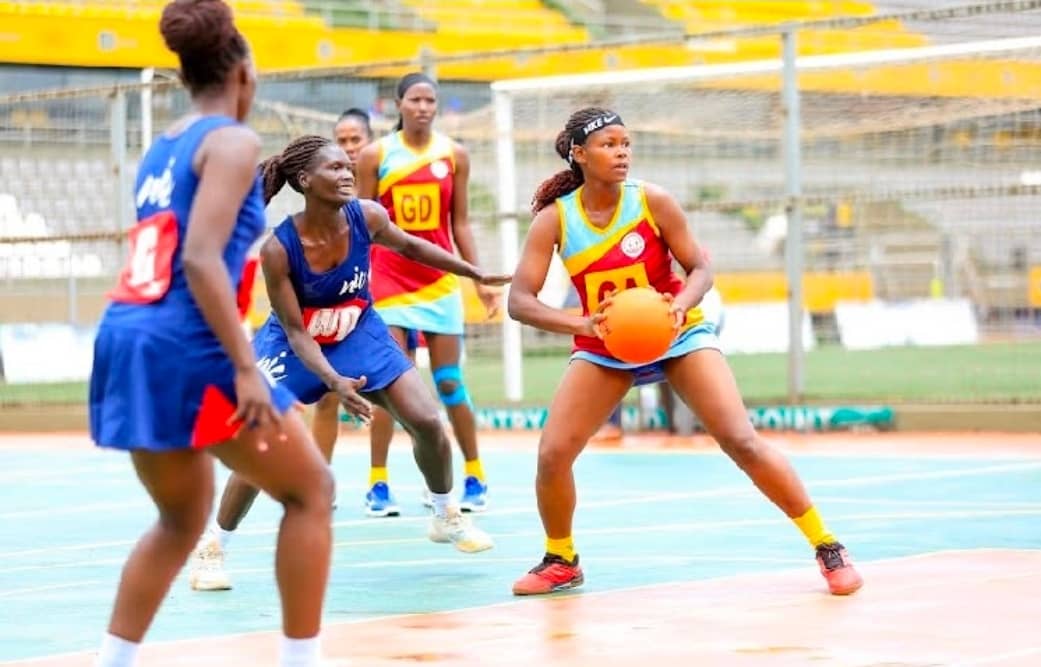
The stadium has also hosted the East African Inter-Cities Championship, adding an international dimension to its sporting calendar.
Beyond competition days, the facility has become a training base for Uganda’s senior men’s and women’s national netball teams, the latter including the She Cranes.
This convergence of league competition, national-team preparations and regional events demonstrates the venue’s growing importance beyond football.
For a country where sporting infrastructure is often shared across disciplines, the ability to accommodate different competitions and training programmes is a significant advantage.
BOXING, GYM FACILITIES AND THE NEXT GENERATION
Hamz Stadium’s sporting portfolio extends into boxing and physical conditioning.
Its functional gym hosts different sporting groups, including Uganda’s national boxing team, the Bombers, providing additional space for athletes to prepare for competition.
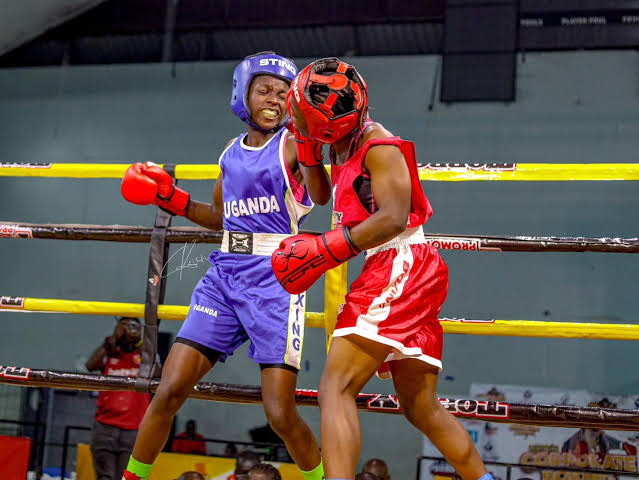
The presence of boxing alongside football and netball reinforces the facility’s potential to serve as a broader high-performance environment rather than a stadium used only when matches are scheduled.
Its accommodation facilities, which can host more than 70 people at a time, also offer an additional advantage for teams attending training camps, tournaments and other sporting engagements.
Combined with its gym and playing facilities, the stadium has several of the components required to support athletes beyond the traditional matchday experience.
A HISTORIC LANDMARK REBORN
Hamz Stadium’s present-day identity is rooted in a long history.
The venue was originally established in 1926 on land donated by the Kabaka of Buganda.
Historical accounts identify April 1, 1926, as the date of its inaugural match, played between Uganda’s national team and the country’s Under-18 national team.
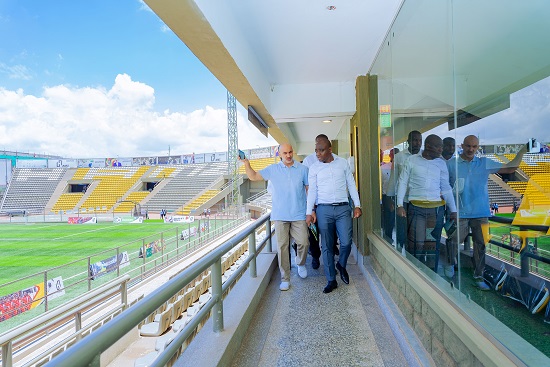
It subsequently developed into a central venue for local and international football.
In 1954, the stadium became Nakivubo War Memorial Stadium, commemorating Ugandan soldiers who lost their lives during the Second World War.
The renaming followed legislative action under the Nakivubo War Memorial Stadium Trust Act.
However, decades of use eventually took their toll. By the early 21st century, the stadium had fallen into disrepair, reflecting the challenges associated with maintaining major public infrastructure in Kampala.
A major redevelopment effort began in 2015, when Ham Enterprises, led by Haji Dr Hamis Kiggundu, partnered with the Ugandan government on the renovation and upgrading project.
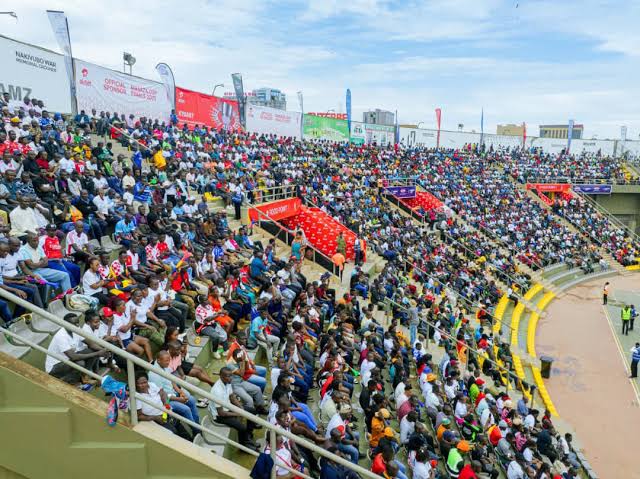
By 2017, the old structures had been demolished, paving the way for new construction.
The redevelopment culminated in the stadium’s commissioning in April 2024 and its subsequent reopening. It emerged under its current name, Hamz Stadium, Nakivubo War Memorial Stadium.
A NEW GENERATION OF SPORTING INFRASTRUCTURE
The redevelopment brought a reported investment of approximately US$200 million and a stated seating capacity of 35,000.
The seating allocation comprises 20,000 ordinary seats, 10,000 VIP seats and 5,000 VVIP seats, alongside 40 executive boxes.
These facilities, combined with the gym, accommodation and capacity to host multiple sporting activities, have given the stadium a significantly expanded role in Uganda’s sporting landscape.
Its central location in Kampala also makes it accessible to clubs, athletes, officials and supporters from different parts of the city.
Yet, the real measure of a sports facility is not simply its size or the amount invested in its construction. It is how consistently it serves athletes, competitions and the wider sporting community.
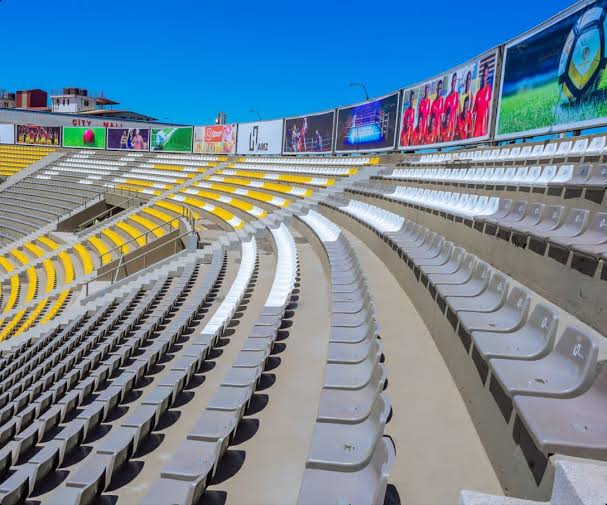
SO, HAS HAMZ STADIUM BECOME UGANDA’S SPORTS HUB?
The growing list of football clubs, national teams, netball leagues, boxing activities and community tournaments hosted at Hamz Stadium makes a compelling case.
Its expanding role in night football, team training and accommodation further strengthens its position as a venue operating beyond conventional matchdays.
However, the ultimate test will be whether it can sustain this momentum, maintain its facilities, support the development of young athletes and continue accommodating diverse sporting disciplines.
For now, Hamz Stadium is no longer just a historic football ground. It is increasingly becoming a shared sporting home — one where professional football, national-team preparations, netball, boxing and grassroots competition converge.
And as more sporting activities find a home within its walls, the question is no longer simply what Hamz Stadium can host, but how far its influence can extend across Uganda’s sporting landscape.