By Joseph Mbazzi Muguluma
Uganda’s proposed charcoal restrictions risk punishing ordinary citizens for an environmental crisis rooted in poverty, expensive alternative energy and unsustainable forestry practices, argues the Kifuuta Oracle, who advocates a transition towards affordable and sustainable cooking solutions.
While acknowledging the alarming depletion of forests, Muguluma maintains that banning charcoal without addressing the economic realities of households and small businesses would deepen hardship rather than deliver lasting environmental protection.
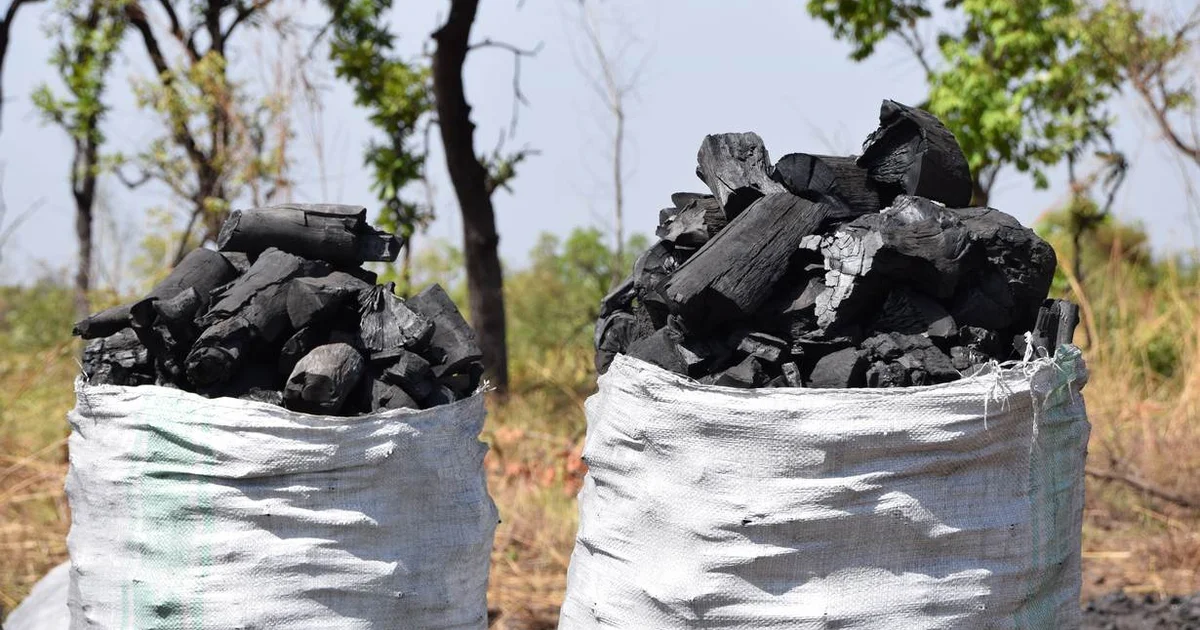
“Charcoal is not a luxury in Uganda. It is survival,” he argues, pointing to communities in Kisenyi, Katwe, Natete, Kyotera and Rakai, where charcoal remains the most accessible cooking fuel for low-income families.
With a sack of charcoal costing between Shs80,000 and Shs120,000, he contends that switching to gas or electricity remains financially out of reach for many households.
The initial cost of gas cylinders, refills and pressure cookers presents an additional barrier.
For roadside vendors and small-scale entrepreneurs, particularly those whose livelihoods depend on charcoal fires, an immediate ban could threaten both household incomes and food security.
However, Muguluma insists that protecting forests must remain a national priority.
His argument is that conservation policies should target destructive harvesting and promote sustainable production rather than criminalise consumers who lack affordable alternatives.
He cites approaches used in Rwanda, Kenya and Ethiopia, including regulated charcoal production from privately planted forests, biomass briquettes made from agricultural waste and energy-efficient cooking stoves.
Such interventions, he argues, could reduce pressure on natural forests while preserving livelihoods and creating employment opportunities.
Muguluma also challenges tree growers who harvest immature trees to meet immediate financial needs, particularly school fees and other household expenses.
He advocates long-term forestry investment, controlled pruning, regrowth and the development of timber markets to increase the economic value of planted trees.
His proposed solutions include subsidising gas and efficient cooking appliances, distributing improved charcoal stoves, licensing charcoal sourced from private forests and supporting cooperatives that produce sustainable charcoal and alternative fuels.
He has offered to support a two-year public education campaign, provided meaningful funding is available, to promote responsible forestry and sustainable energy use.
Ultimately, Muguluma argues that Uganda must pursue environmental protection without overlooking the economic pressures facing ordinary citizens.
“The storm is not charcoal. The storm is poverty,” he maintains, calling for policies that make clean cooking affordable while encouraging tree planting and responsible harvesting.
His central message is that sustainable forest conservation must protect both the environment and the people who depend on it for survival.