Uganda Athletics has moved to strengthen its financial sustainability by entering a three-year commercial partnership with JKA Media Agency, as the federation seeks to close a multibillion-shilling funding gap and attract a wider pool of corporate sponsors.
The agreement, unveiled on Tuesday at the Uganda Athletics offices in Kampala, gives JKA Media Agency the mandate to commercialise the federation’s existing properties, enhance their visibility and position athletics as a more attractive proposition for local and international brands.
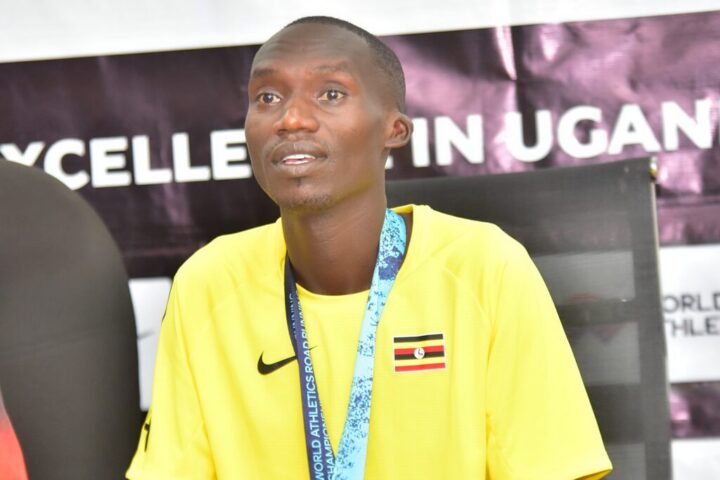
The partnership was announced by JKA Media Agency Chief Executive Officer Joe Kigozi, Uganda Athletics President Dominic Otucet and National Council of Sports Assistant General Secretary in charge of technical affairs Chebet Milton.
For Uganda Athletics, the deal comes against the backdrop of a substantial funding shortfall.
Otucet revealed that the federation operates on an annual budget of about Shs10 billion, with approximately Shs3 billion coming from government, leaving a deficit of nearly Shs7 billion.
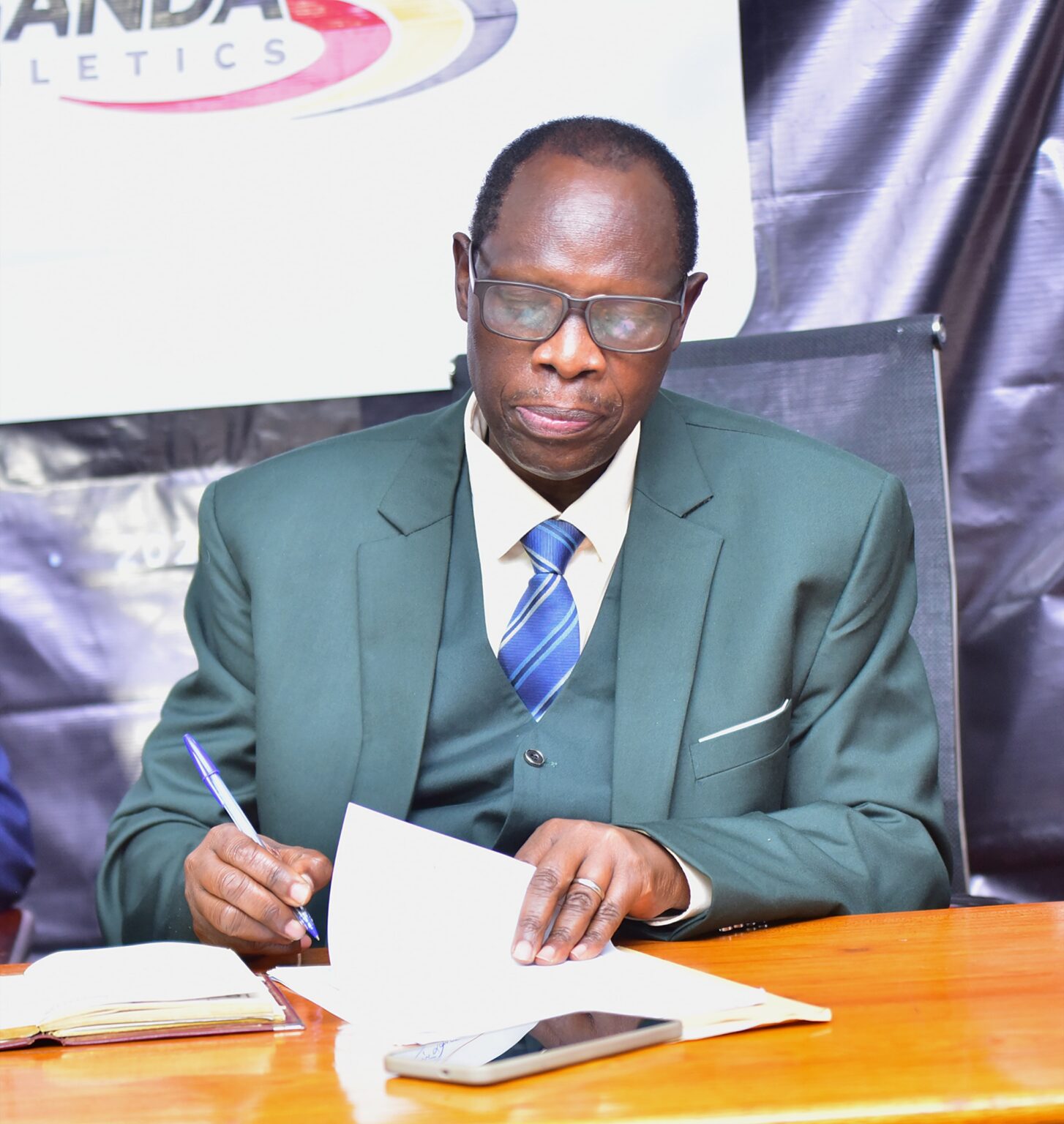
“We can’t continue with that. Our annual budget is 10 billion shillings and government is giving us three billion, so we stay with a deficit of seven billion,” Otucet said.
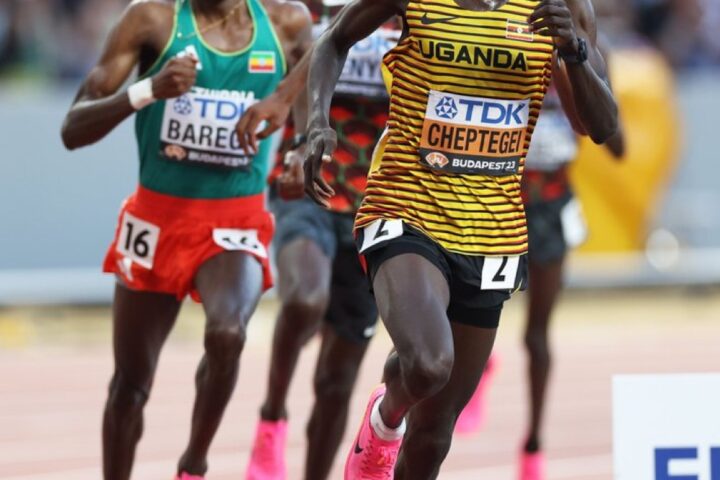
The federation currently has only one international sponsor, Nike, which supplies kit for Team Uganda and provides support for other activities.
Otucet said the absence of a local corporate sponsor has made the search for alternative revenue streams increasingly urgent.
“As a federation, we would like to go out there and get sponsors who can cover some of the gaps we have right now. That’s why we have given the task to this agency to do that work for us,” he said.
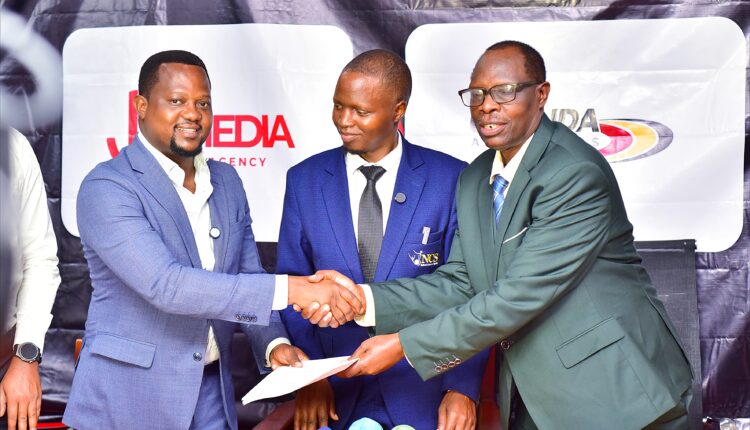
JKA Media Agency will therefore focus on building a commercial bridge between Uganda Athletics and the corporate sector, identifying potential partners and packaging the federation’s existing assets into commercially viable opportunities.
Kigozi said the three-year term was deliberately chosen to give the agency enough time to understand the federation’s culture, operations and commercial landscape before measuring the effectiveness of its strategy.
“Three years is good for us to understand the culture of Uganda Athletics.
We are a private entity and we come with a strategy and we believe we shall execute the work.
If it works, we renew and if it fails, we look for something else,” Kigozi said.
He described Uganda Athletics as one of the country’s best-run sporting federations and pointed to its consistent international success as a strong foundation for commercial growth.
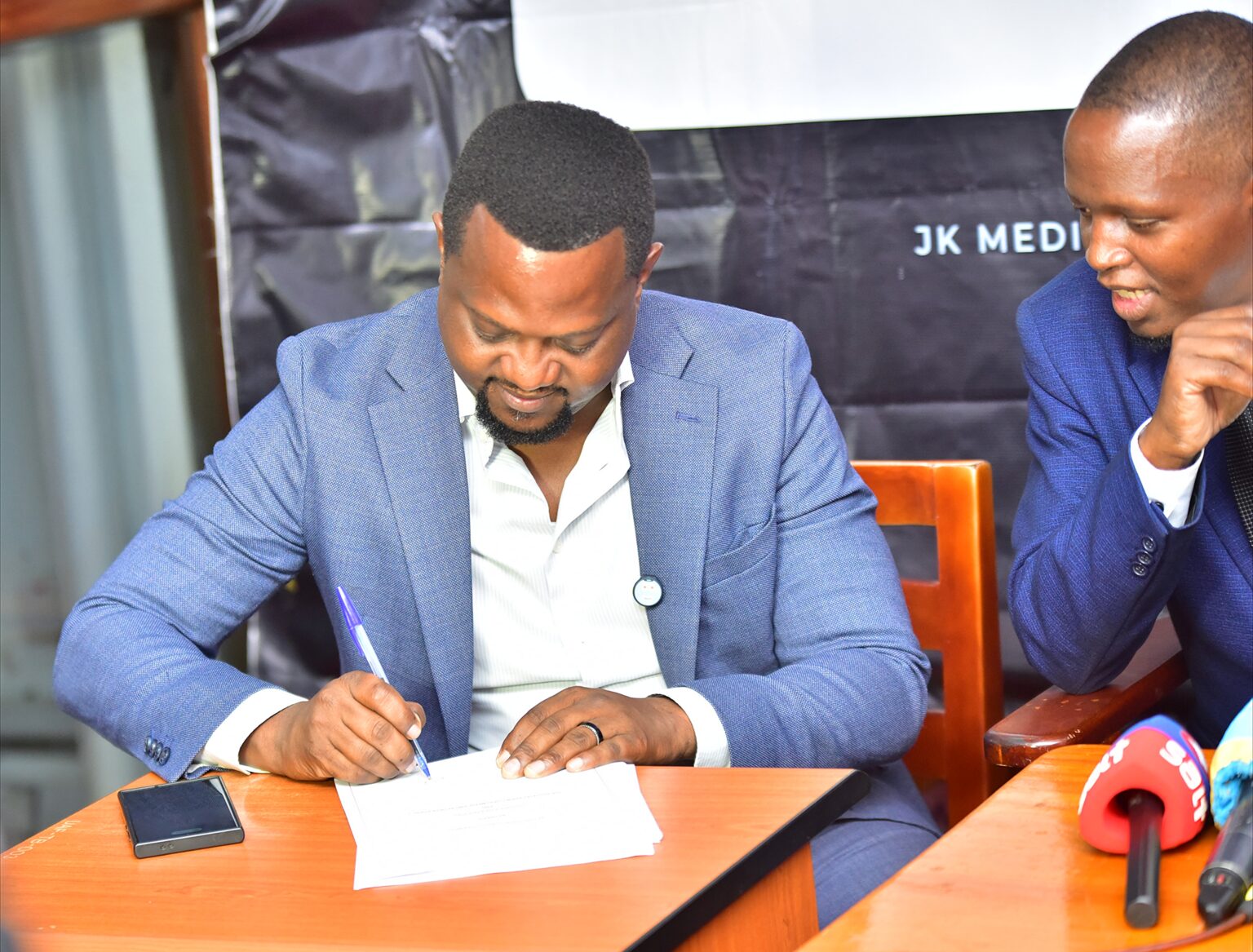
“UA is the well-run federation and Athletics is the most successful sport in Uganda, so that’s why we came in,” he said.
Kigozi emphasised that JKA Media Agency would not interfere with the federation’s technical responsibilities or athletes’ sporting affairs.
Instead, its focus will be on transforming existing athletics properties into commercially attractive products capable of drawing investment.
“We’re not athletes, but we’re going to focus on the products that they have already created to make sure that we bring in sponsorships, we bring in partners that can add value to Uganda Athletics,” he added.
He believes Uganda’s expanding corporate sector presents a largely untapped opportunity for athletics, with JKA seeking to connect brands looking for visibility and consumer engagement with one of the country’s most successful sports.
“There are so many corporate companies that are out there that need to associate with Uganda Athletics.
Our role is to talk to them and bring money to the sport,” Kigozi said.
The initiative also received backing from the National Council of Sports, with Milton arguing that federations must increasingly develop commercial strategies rather than rely predominantly on government allocations.
He acknowledged that government funding remains important but noted that sports bodies frequently face budgetary constraints and unfunded priorities.
“Federations need to start looking outside from the government budget, link up with agencies. There are people who are creative,” Milton said.
He argued that investment in marketing should be viewed as a business proposition capable of generating returns for sport.
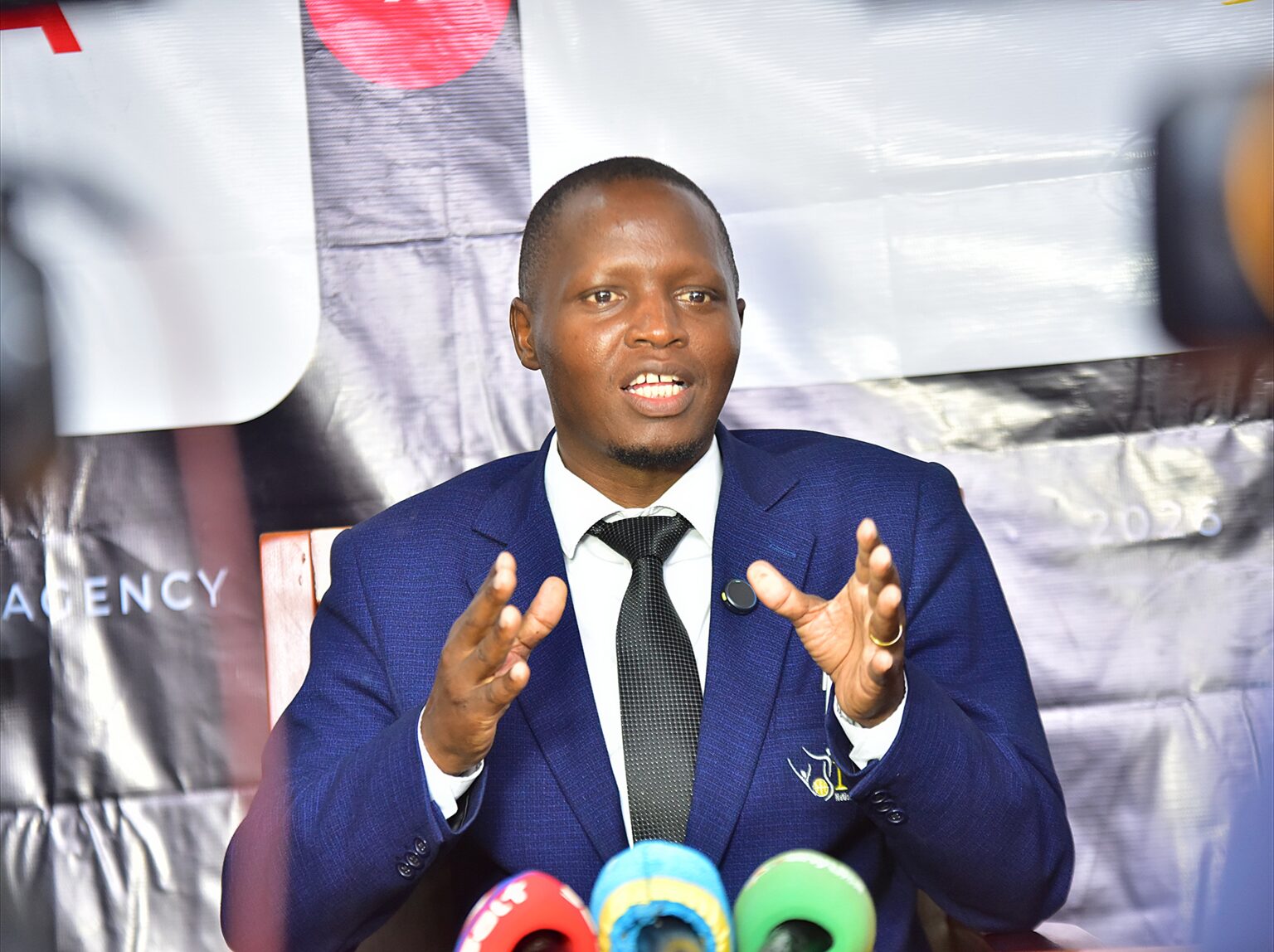
“When you pay some little and wait for the big, once you inject 100 million in marketing and receive 500 million, that’s business,” he said.
Milton further called for a broader understanding of the role of sport in Uganda, saying its value should no longer be measured exclusively through medals and competitive results.
“The sport we’re talking about is no longer about bringing medals but now it’s about economic development,” he added.
With Uganda continuing to produce athletes capable of competing successfully on the international stage, the new partnership seeks to convert that sporting capital into stronger commercial value.
For JKA Media Agency, the three-year assignment will centre on packaging Uganda Athletics’ commercial assets, improving their marketability and visibility, and bringing new local and international partners into the sport.
For the federation, success will ultimately be measured not only by the number of sponsors secured, but by whether commercialisation can help narrow the Shs7 billion funding gap and provide a more sustainable financial foundation for Uganda’s athletics programme.