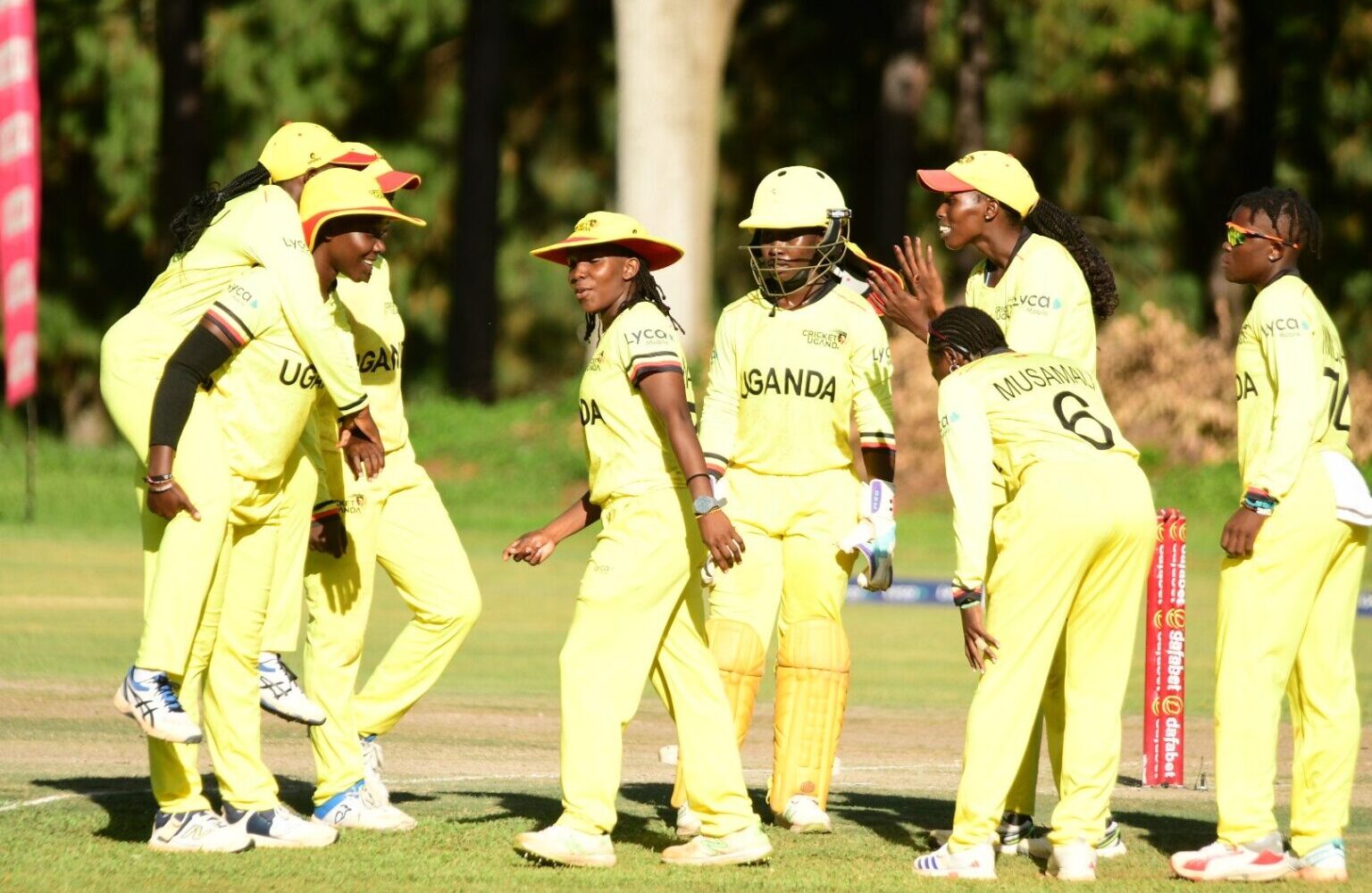
Uganda relied on discipline, patience and a superb collective bowling effort to overcome Rwanda by 19 runs and claim the 2026 Victoria Series title at the Entebbe Cricket Ground.
Defending a modest total of 94 for eight, the hosts produced a commanding display with the ball, restricting Rwanda to 75 for nine in their allotted overs to seal a memorable victory and retain control of the contest when it mattered most.
It was a triumph built less on batting fireworks than on the ability to defend every run.
On a difficult surface that offered little assistance to stroke-makers, Uganda understood that scoreboard pressure could become their greatest ally.
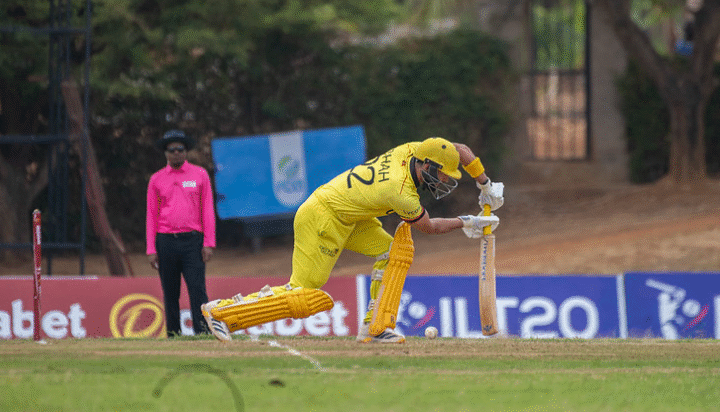
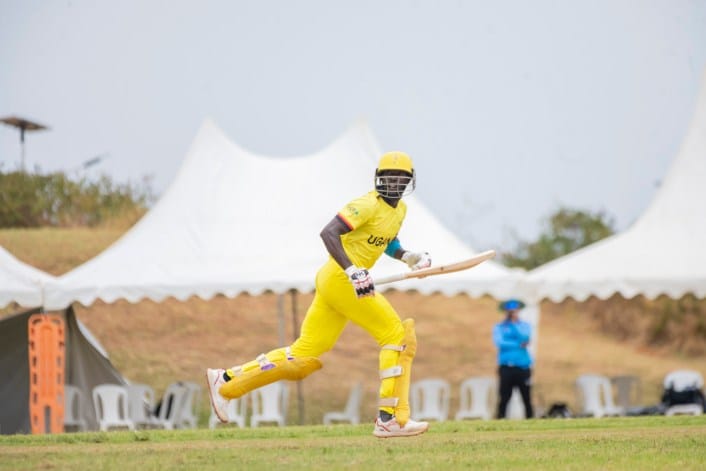
The foundation of their innings came through a 45-run second-wicket partnership between Proscovia Alako and Stephanie Nampiina, who steadied the hosts after captain Janet Mbabazi departed for eight.
Alako provided the impetus, striking three boundaries in a composed 27 off 25 deliveries, while Nampiina occupied the crease with determination, contributing 27 from 47 balls.
Their partnership lifted Uganda to 62 for one and appeared to put the hosts in a comfortable position. However, Rwanda captain Diane Marie Bimenyimana had other ideas.
Bimenyimana ripped through Uganda’s middle order, claiming four wickets for 19 runs to trigger a dramatic collapse that saw the hosts slide to 66 for four. Uganda struggled to regain momentum thereafter but managed to scrape together valuable contributions to finish on 94 for eight.
With the target appearing within reach, Rwanda needed a measured batting performance. Their opening pair of Fanny Utagushimaninde and Gisele Ishimwe initially provided encouragement, putting together 25 runs before Mbabazi broke the partnership by dismissing Fanny for 16 off the final delivery of the sixth over.
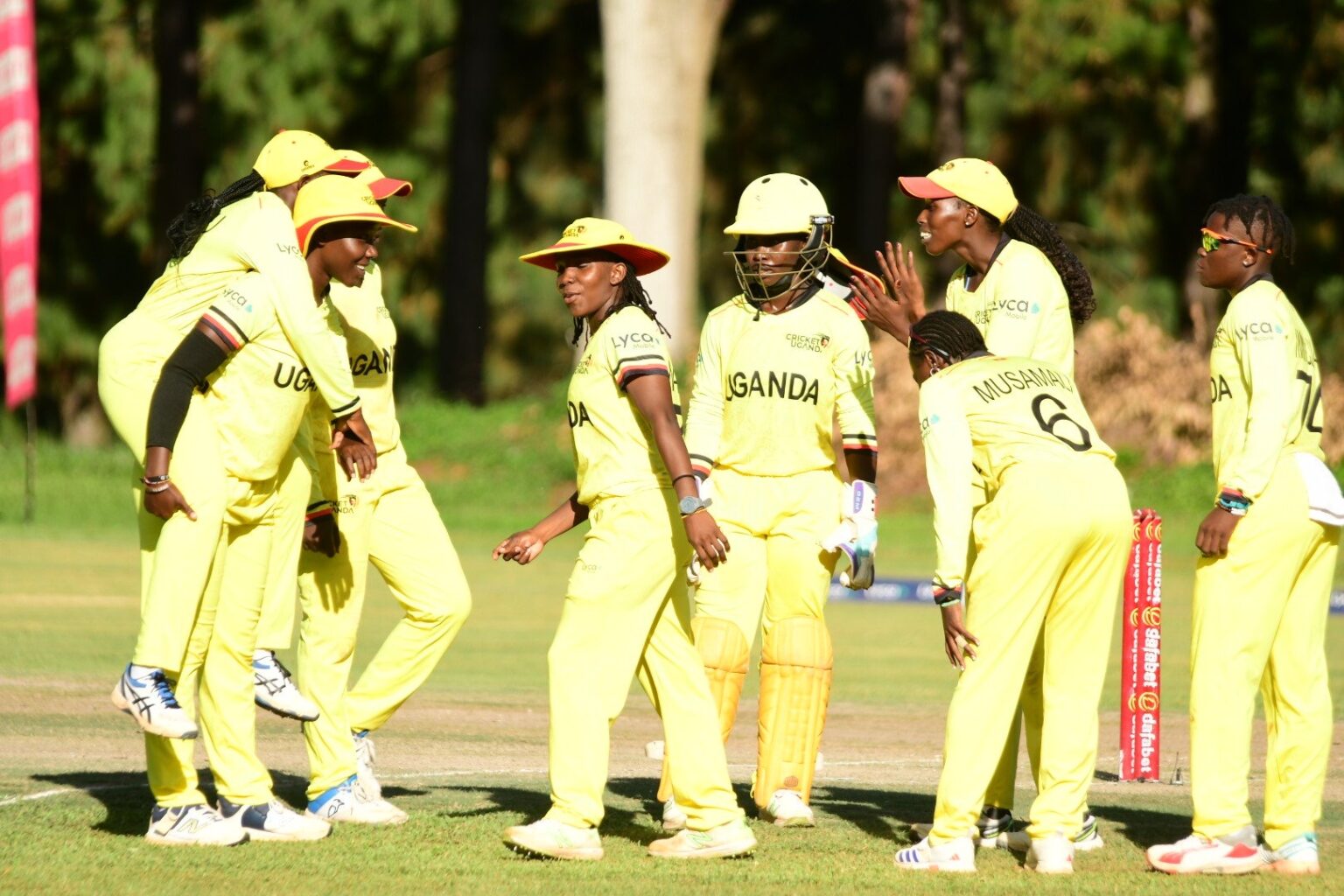
That breakthrough marked the beginning of Uganda’s defensive masterclass.
Rather than allowing Rwanda to build momentum, the hosts tightened their lines, denied the visitors easy singles and maintained relentless pressure through the middle overs.
Gisele managed 13 from 34 deliveries, while Clarisse Umutoniwase contributed 13 off 19 balls, but Rwanda’s inability to accelerate left them increasingly vulnerable.
The decisive passage arrived in the 14th over when Asumin Akurut struck twice in quick succession, dismissing Henriette Therese Ishimwe and Umutoniwase to reduce Rwanda to 50 for five.
With the visitors’ middle order exposed, Uganda moved closer to an emphatic finish.
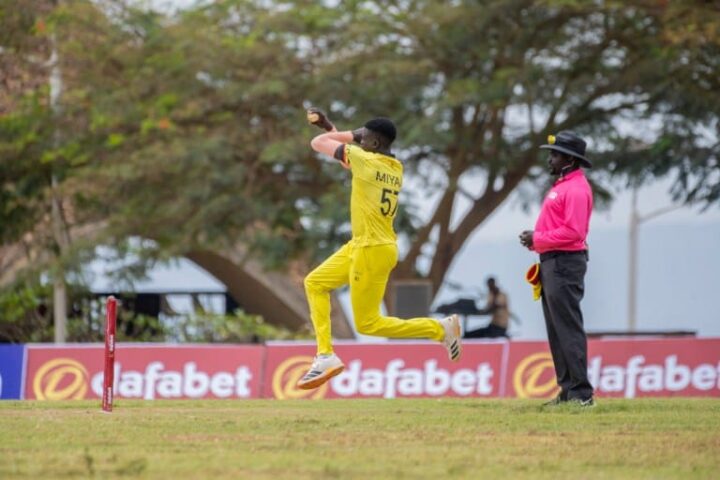
Consylate Aweko Nimungu subsequently delivered the defining bowling performance of the final, conceding just nine runs in her four overs while taking two wickets.
Among her victims was Bimenyimana, whose dismissal for a duck effectively extinguished Rwanda’s hopes of mounting a late recovery.
Akurut completed an impressive spell of three for 11, while Mbabazi chipped in with two for 13 as Uganda maintained their grip until the final delivery.
Rwanda eventually finished on 75 for nine, falling 19 runs short of the target.
For Uganda, the victory was a fitting reflection of a campaign characterised by resilience and collective responsibility.
Although their batting did not always produce imposing totals, their bowling unit repeatedly demonstrated an ability to defend modest scores through discipline, intelligent execution and sustained pressure.
The final also underlined the importance of contributions across the team. Nampiina and Alako provided the batting platform, Mbabazi offered leadership with both bat and ball, while Akurut and Nimungu proved instrumental in dismantling Rwanda’s chase.
Rwanda, meanwhile, will rue their inability to capitalise on Bimenyimana’s outstanding bowling performance.
Her four-wicket haul had given the visitors a genuine opportunity to seize control, but their batters could not produce the substantial partnerships required to turn that advantage into a title-winning performance.
Ultimately, Uganda did not need a commanding total to become champions. They needed 94 runs, unwavering belief and a bowling attack capable of making every delivery count.