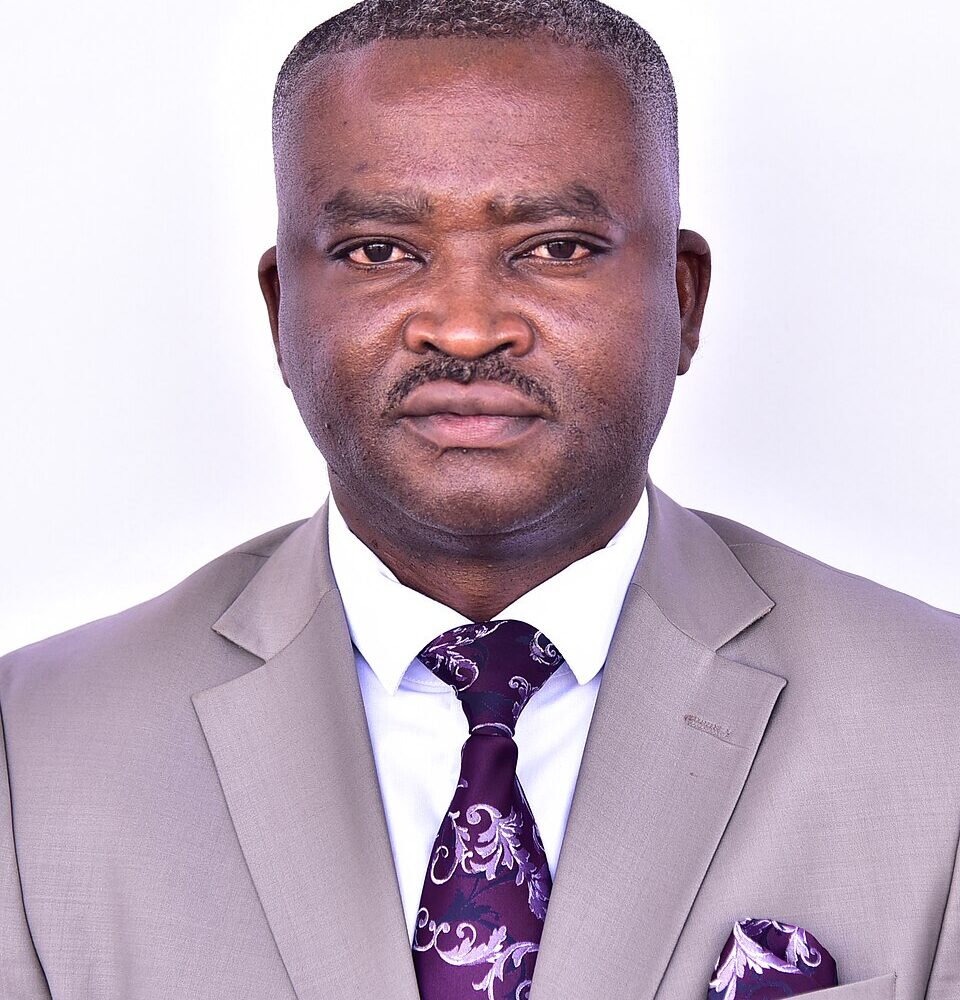
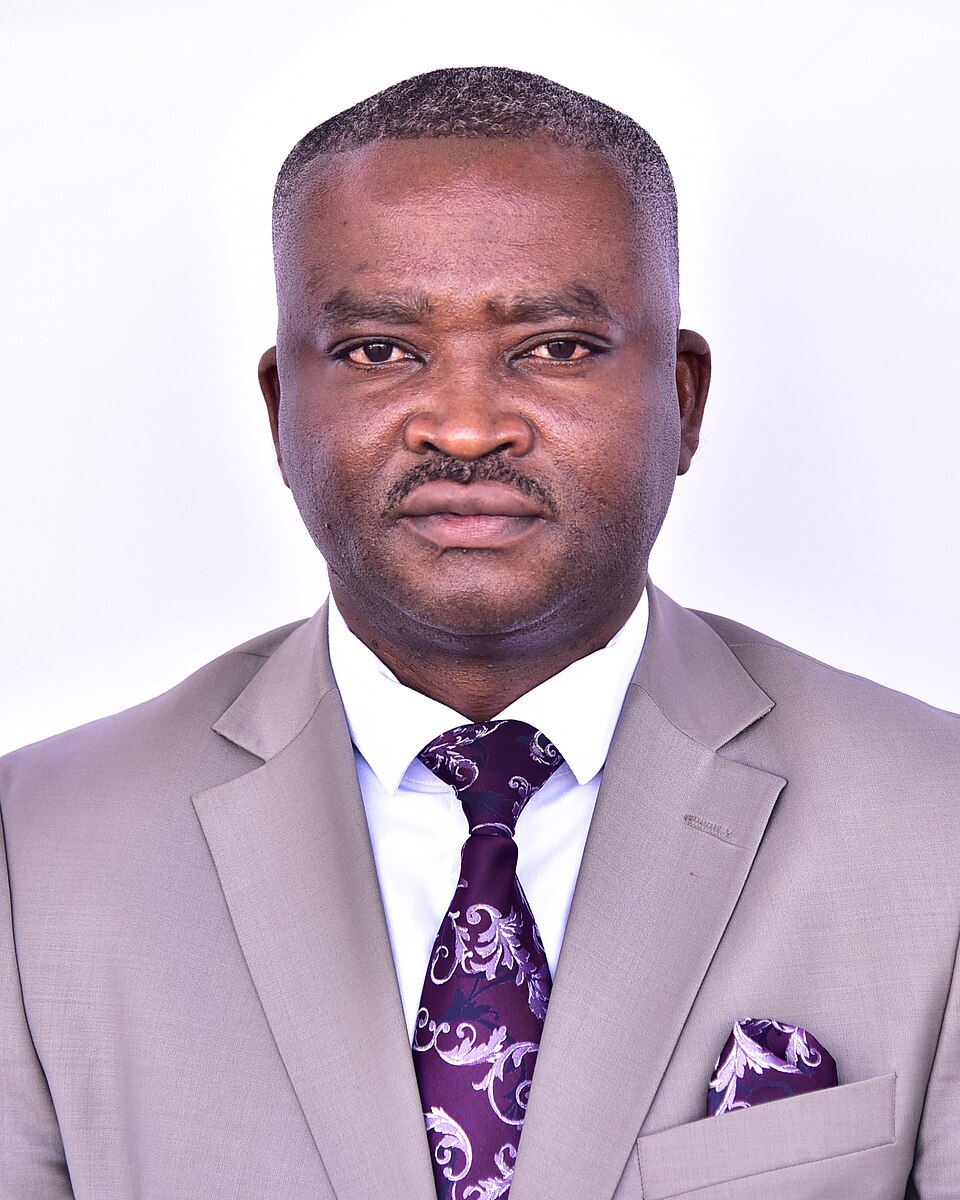
Kumi Municipality Member of Parliament and Parliamentary Committee on Education and Sports member Hon. Silas Aogon has called for a deliberate government intervention to reduce the tax burden on sporting equipment and address the infrastructure deficit holding back Uganda’s sports sector.
The remarks come amid longstanding concerns over the cost of sporting equipment in Uganda, which has constrained talent development at school, club and federation level.
For many young athletes, the inability to access professional-standard equipment and suitable training facilities continues to limit their progression.
Aogon said the challenge requires a coordinated national response involving Parliament, government and the wider sports fraternity.
“We need to work together, find a solution. Study, get to know the gaps, fix the gaps together as a nation. It is possible.”
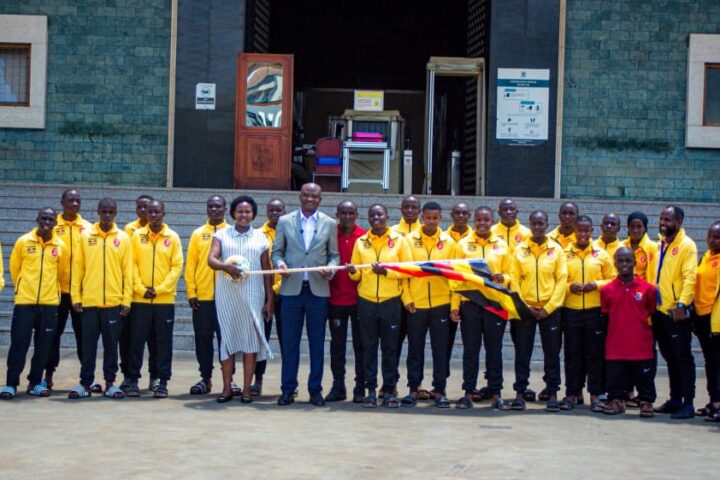
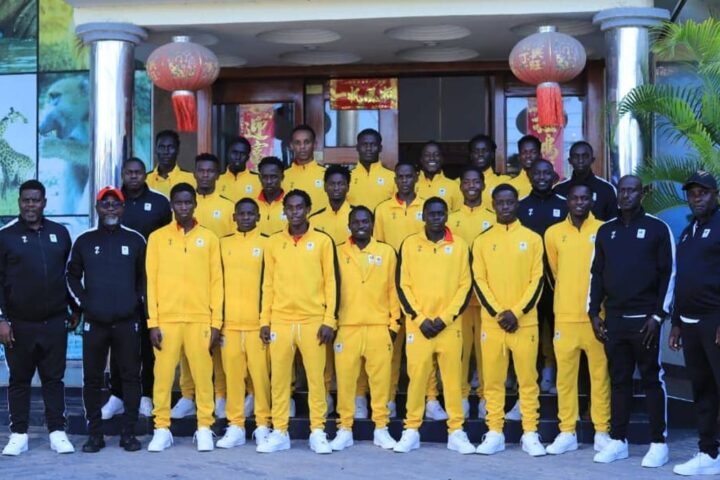
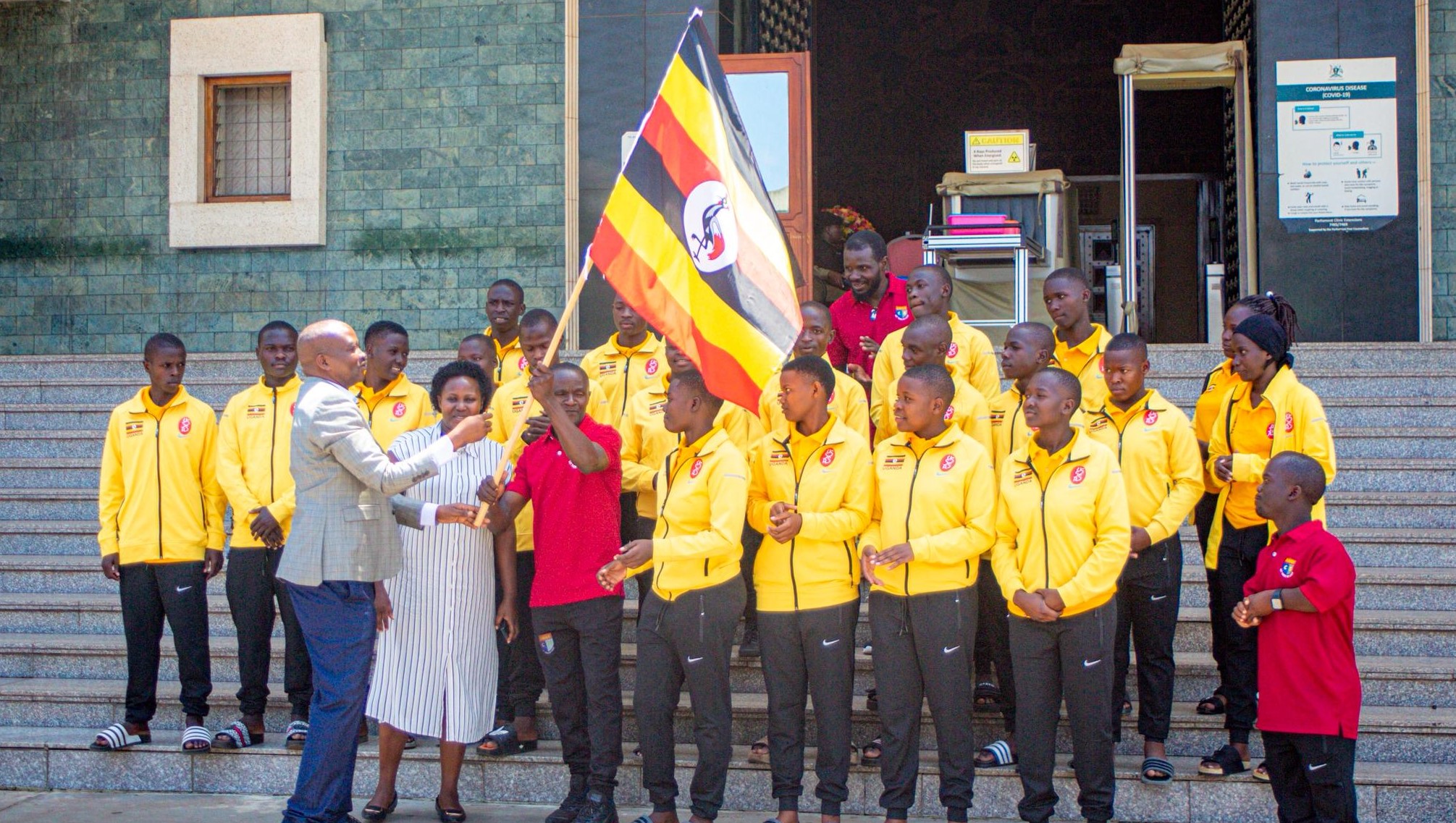
Aogon made the call on Saturday, August 29, 2026, at Parliament during the official flag-off of Amus College School’s delegation to the 2026 CAF Africa Schools Football Championship in Kigali, Rwanda.
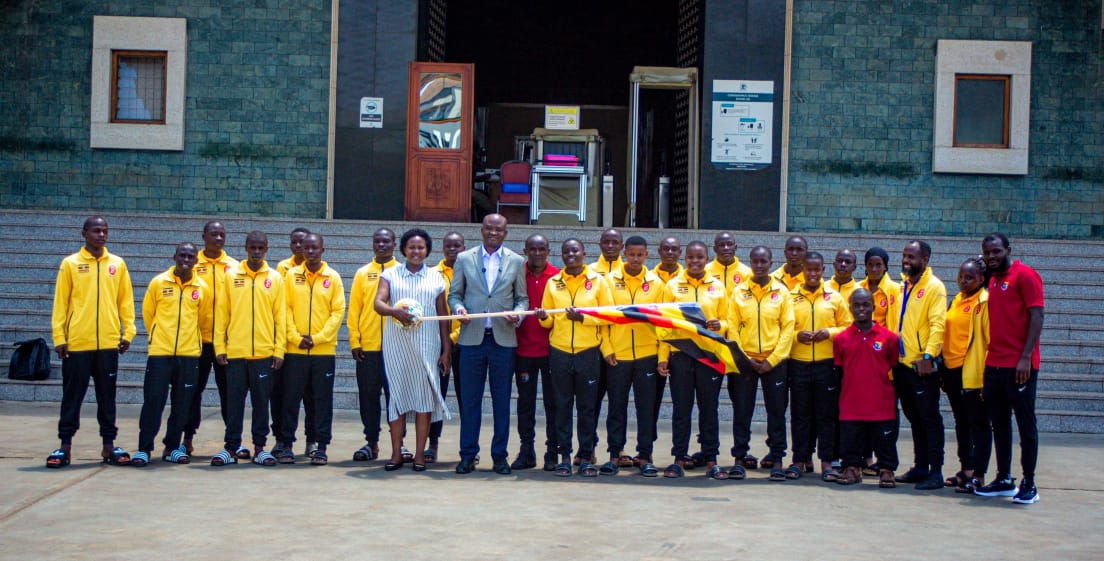
The tournament is scheduled for September 3–5, with Amus College representing Uganda in both the boys’ and girls’ categories after making history at the USSSA National Championships in Gulu in July by winning both national titles in the same year.
According to Aogon, Parliament has a responsibility not only to legislate and appropriate public funds but also to represent citizens and exercise oversight over government programmes, including sports development.
He said Parliament could play a critical role in easing the financial burden on sports stakeholders by reviewing taxes imposed on essential equipment.
“If there is a loophole about the taxes on equipment, with equipment specifically, we can sit down and identify. If the balls are the ones bearing everybody on tax, we identify how much tax. If it’s the goalposts, if it’s this and that, let us get to know.”
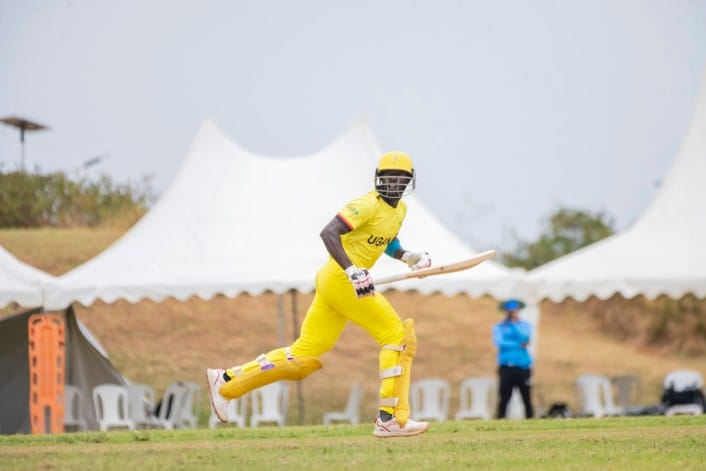
Aogon argued that specialised sporting equipment imported into Uganda—including gear for athletics, rowing and basketball—remains prohibitively expensive because of taxes and other import-related costs.
The burden, he said, limits the ability of schools, clubs and federations to acquire standard equipment and maintain appropriate training environments.
He urged the sports fraternity to work with Parliament to identify specific tax-related challenges and develop evidence-based proposals that could either reduce or completely exempt essential sporting equipment from taxation.
“We convince the other members of Parliament. We also convince the Executive that for us to grow our sport, let us lessen the burden on the people who are supposed to purchase this equipment for our players.”
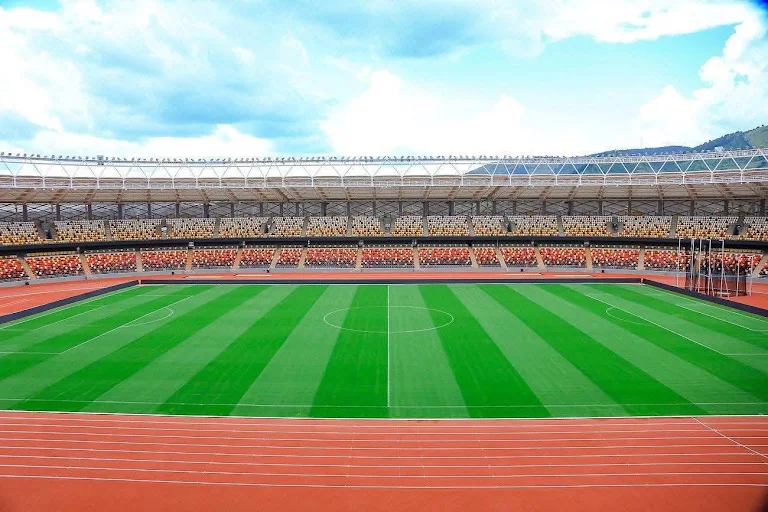
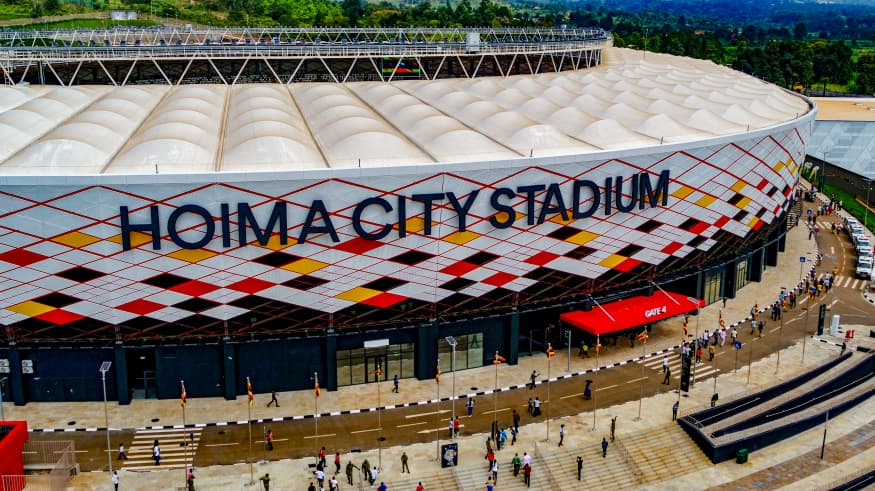
Beyond taxation, Aogon highlighted Eastern Uganda’s acute shortage of sports infrastructure, noting that government investment in major facilities has largely concentrated in other parts of the country.
He pointed to the development of facilities in Hoima and Lira, arguing that Eastern Uganda remains underserved, with many communities lacking quality football pitches, training grounds and affordable accommodation or camping facilities for athletes.
“In Eastern Uganda, you can see that the place is still empty in terms of infrastructure, except for that that is tried by the private persons. So the government hand is not yet so present.”
The legislator called for Parliament to commission research into the region’s sporting infrastructure needs before allocating resources, saying lawmakers must approach the issue with evidence.
“Before I even speak in Parliament, or the Committee on Education, about this gap, we need to do research, so that we come to Parliament and speak with evidence.”
He proposed a phased approach to infrastructure development, with government identifying priority locations and progressively establishing modern sports facilities.
“If we say let us put a powerful stadium in Mbale, this time we do it. After that maybe we say let’s put one in Kumi, then Soroti, and then we move on to another place.”
Aogon cited Morocco as an example of how strategic investment in sports infrastructure can generate wider benefits, including attracting international competitions and scouts while creating pathways for talented athletes to reach professional clubs abroad.
He stressed, however, that infrastructure alone would not be sufficient, calling for simultaneous investment in coaches, sports personnel, sports medicine and sports media.
“We have talent here, but for them to find a way to those highly paying clubs, it is a problem.
Part of the issue is lack of infrastructure, but also training the human resource, supporting the coaches, supporting the media who are reporting on sports and sports medicine.”
Aogon further linked investment in sports to tourism, arguing that a stronger sporting ecosystem and improved facilities could enable Uganda to host more international competitions and attract visitors.
“Remember, when we succeed on the sporting area, if we succeed in football, for instance, and while many teams come to compete with us here, we are now encouraging tourism through sports.”