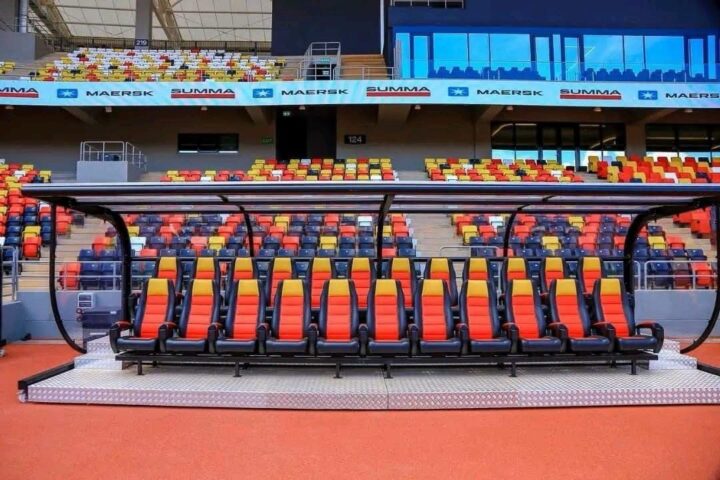
When the 2027 Africa Cup of Nations (AFCON) kicks off on June 19, Uganda’s role as a co-host will extend well beyond the 90 minutes of game time inside stadiums.
Under the “Pamoja” partnership with East African neighbours Kenya and Tanzania, the tournament is expected to accelerate investment in infrastructure, hospitality, tourism and the wider sports economy, giving Uganda a rare opportunity to convert a major sporting event into a lasting development dividend.
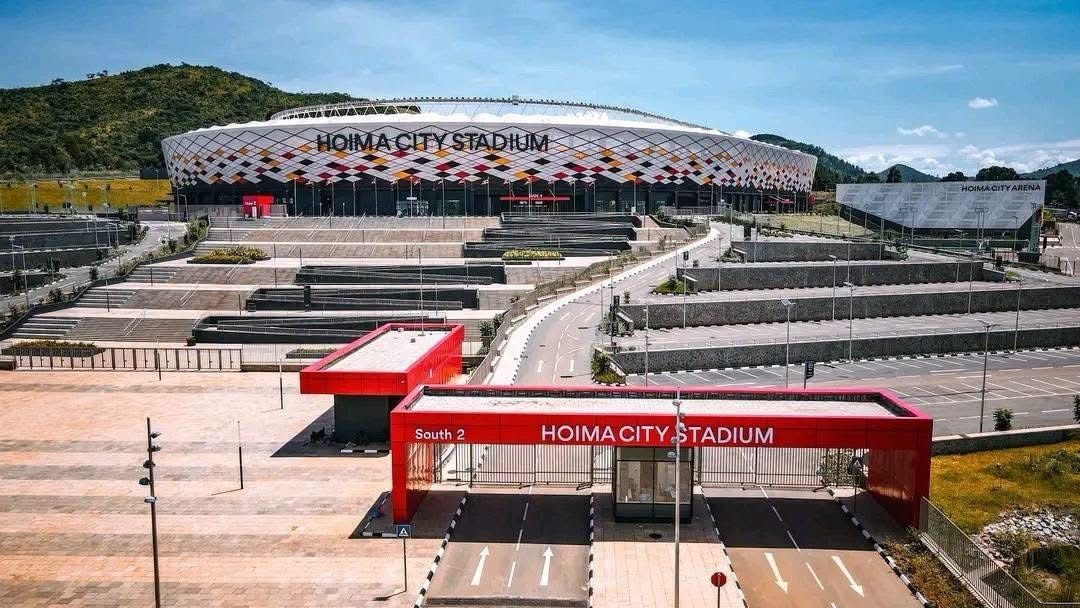
At the heart of the transformation is infrastructure. Government has committed billions of shillings towards roads, stadiums, health facilities, transport and hotels, with major projects centred around Kampala and Hoima.
The newly completed Hoima City Stadium, Akibua Olympic Stadium alongside the redevelopment of Mandela National Stadium, Namboole, is expected to provide Uganda with international-standard sporting facilities capable of supporting future continental competitions.
The impact will also reach businesses beyond football. As FUFA President Moses Magogo observed, AFCON is watched in more than 150 countries, making it an opportunity not only to host football but “to project the country to the world.”
Thousands of visiting fans, journalists and tourists are expected to generate demand for hotels, restaurants, transport operators, tour companies and smallscale businesses.
The government has allocated Shs101.1 billion through Uganda Development Bank for hotel upgrades, seeking to expand accommodation capacity and improve hospitality standards.
Most AFCON training facilities are based at universities, creating new opportunities for research and innovation in areas such as pitch maintenance, cost-effective stadium management, sports technology and facility sustainability.
AFCON 2027 will also strengthen Uganda’s human capital.
Thousands of volunteers, event managers, security personnel and support staff will gain valuable skills and international exposure that can be applied long after the tournament.
The UPDF Engineering Brigade, which has played a central role in constructing stadiums, airports, health facilities and roads, will also emerge with enhanced expertise and experience.
Tourism could emerge as another major beneficiary.
AFCON offers Uganda a global platform to market its culture, hospitality and attractions, including the Source of the Nile, while increased regional movement could deepen cross-border trade and integration.
Transport and healthcare are similarly being positioned to support the tournament. Government plans include Shs213.76 billion for road upgrades, railway rehabilitation between Kampala and Mukono, and Shs91.05 billion for health facility improvements in Hoima and Masindi.
For sports, the legacy could be even more significant.
Improved facilities, sports science capacity and organisational expertise could strengthen athlete development and enable Uganda to pursue more major international events.
The tournament is therefore more than a football event—it is a skills laboratory that could leave Uganda with a stronger workforce, better infrastructure expertise and a more competitive engineering and construction sector long after the final whistle.
If successfully delivered, AFCON 2027 could therefore become much more than a tournament for Uganda—it could be a catalyst for infrastructure, tourism, enterprise, regional integration and the professionalisation of sport.