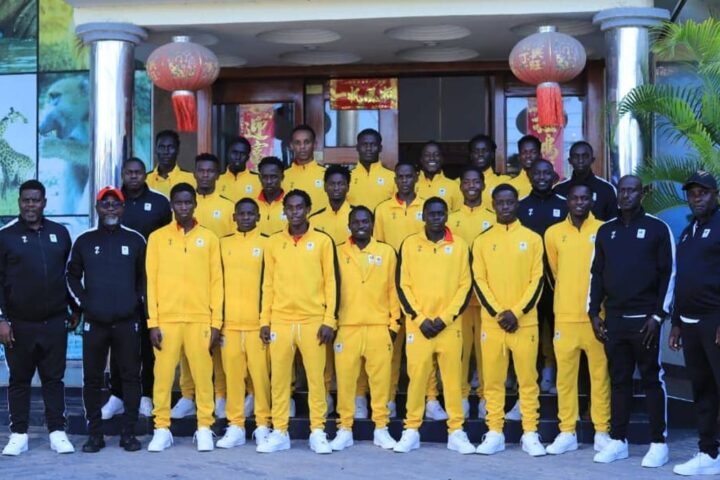
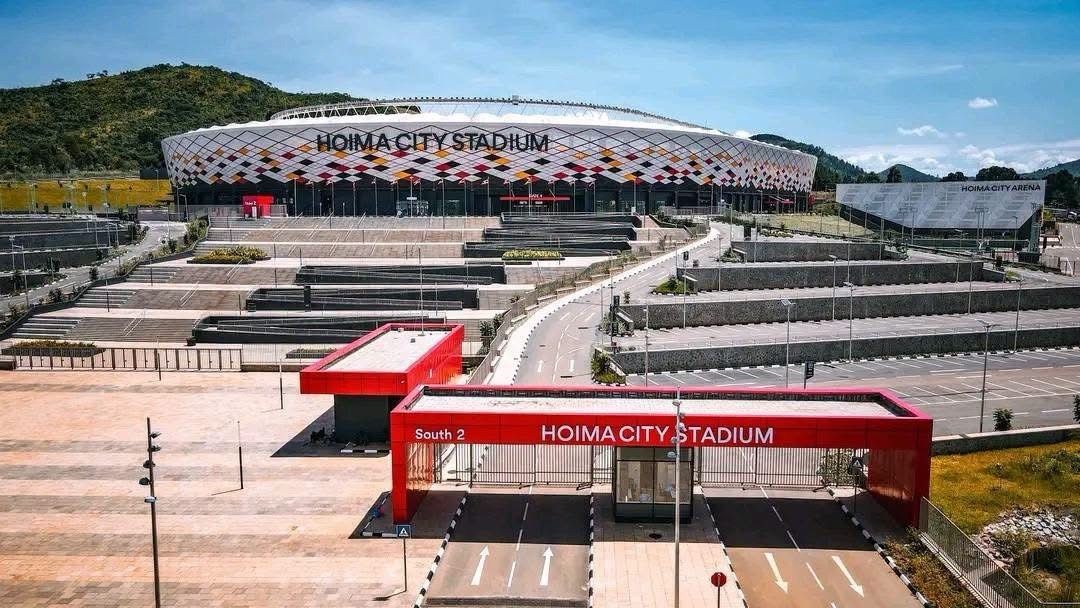
HOIMA, UGANDA — Uganda has taken a major step towards hosting the 2027 Africa Cup of Nations after completing the newly constructed Hoima City Stadium, a 20,000-capacity facility designed to meet international football standards.
The stadium has already moved beyond construction and into operational use, hosting the Uganda Cranes’ 2027 AFCON qualifier against Libya on September 29.
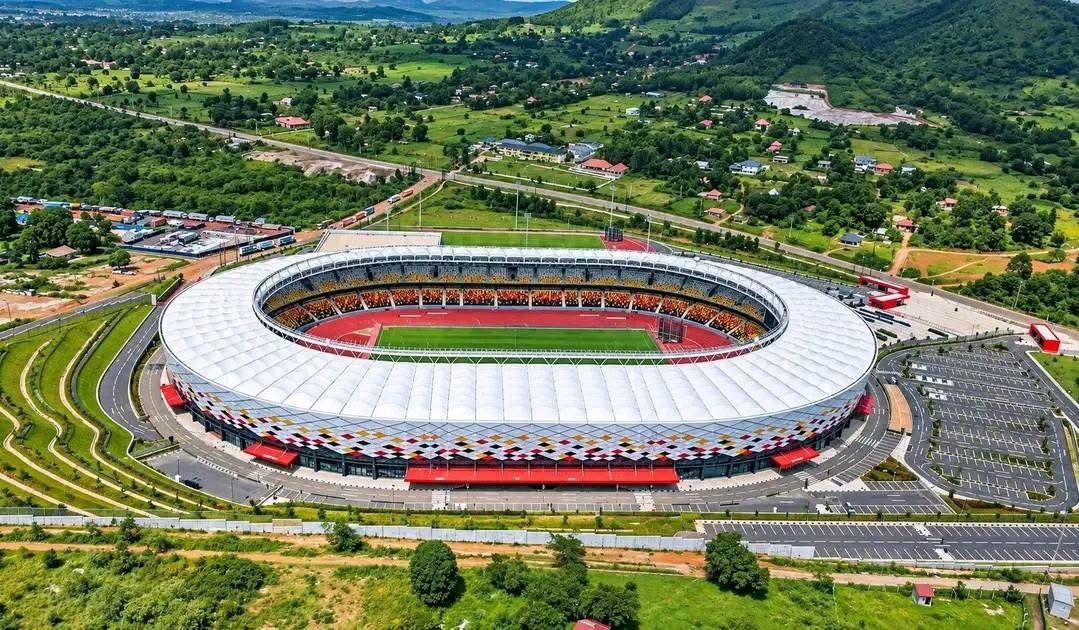
The sold-out fixture provided the clearest test yet of the venue’s ability to handle a major international football event.
Built by Turkish contractor Summa at an estimated cost of US$129.7 million, the stadium represents one of Uganda’s biggest recent investments in sports infrastructure.
Its development is particularly significant as Uganda, Kenya and Tanzania prepare collectively for the 2027 AFCON under the Pamoja 2027 hosting arrangement.
A stadium built for more than football
Hoima City Stadium combines modern sporting infrastructure with elements drawn from the cultural heritage of the Bunyoro region.
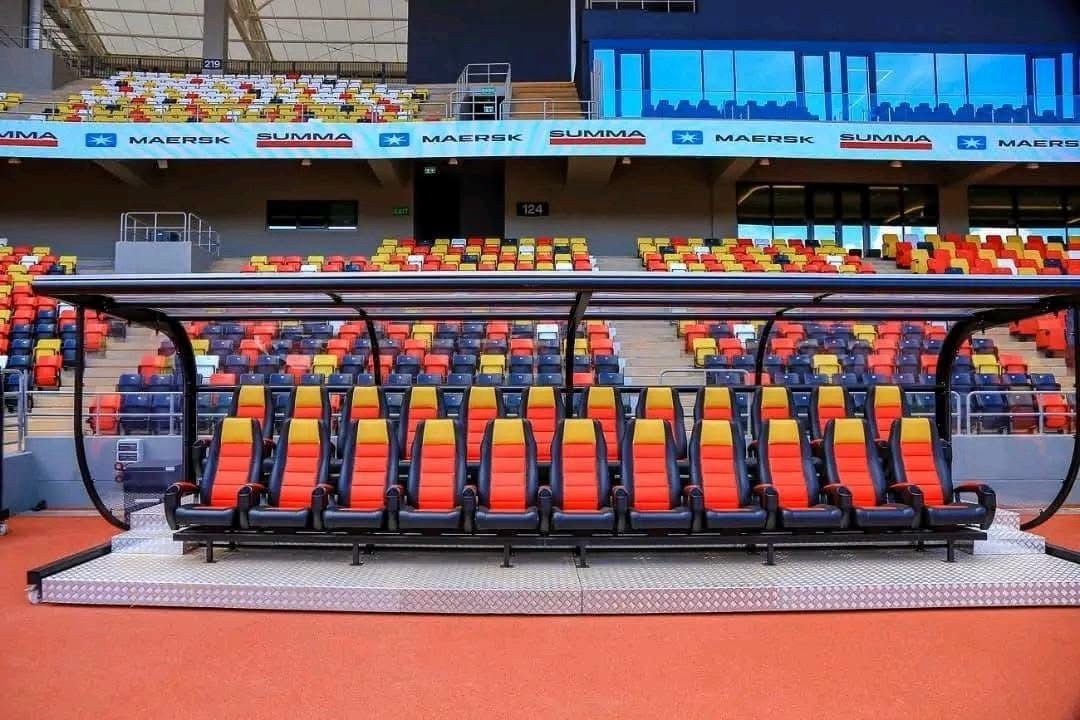
The facility features a covered all-seater grandstand, modern floodlighting, high-definition electronic scoreboards, dressing rooms and dedicated player recovery areas.
Its design incorporates Bunyoro-inspired motifs into the exterior façade and seating areas, giving the venue a distinctly Ugandan identity.
The wider complex also includes an indoor sports arena, auxiliary training grounds, VIP hospitality facilities, press conference rooms and substantial parking space intended to accommodate large matchday crowds.
Beyond its sporting function, the project is expected to strengthen Hoima’s position as a growing commercial and tourism centre in Uganda’s oil-rich Albertine region.
Hotels, restaurants, transport operators and other businesses are among those expected to benefit from the increased traffic generated by major sporting events.
Strengthening the Pamoja 2027 project
The completion of Hoima City Stadium also adds momentum to preparations for the three-country AFCON hosting project.
Kenya is undertaking upgrades at Kasarani Stadium and Nyayo National Stadium while the Talanta Sports City project is being developed in Nairobi.
Uganda’s new Hoima facility therefore adds another modern venue to the region’s expanding sports infrastructure portfolio with works by UPDF underway at Mandela National Stadium, Akibua Olympic Stadium and numerous modern training grounds.
The investment reflects a broader trend among African countries preparing to host major sporting competitions, where stadium construction is often accompanied by improvements in transport, hospitality and other supporting infrastructure.
For Uganda, however, Hoima Stadium carries significance beyond the 2027 tournament. Its successful staging of an international qualifier has provided an early demonstration that the Albertine region can accommodate elite football while creating a long-term sporting asset for the country.
With the venue now operational, attention shifts from construction to ensuring that its facilities, management and supporting infrastructure remain at the level required for the continental spotlight in 2027.