Uganda’s adult HIV prevalence has remained at 5.9 percent, with the country registering notable gains in treatment and viral-load suppression but continuing to face a significant gap in HIV diagnosis.
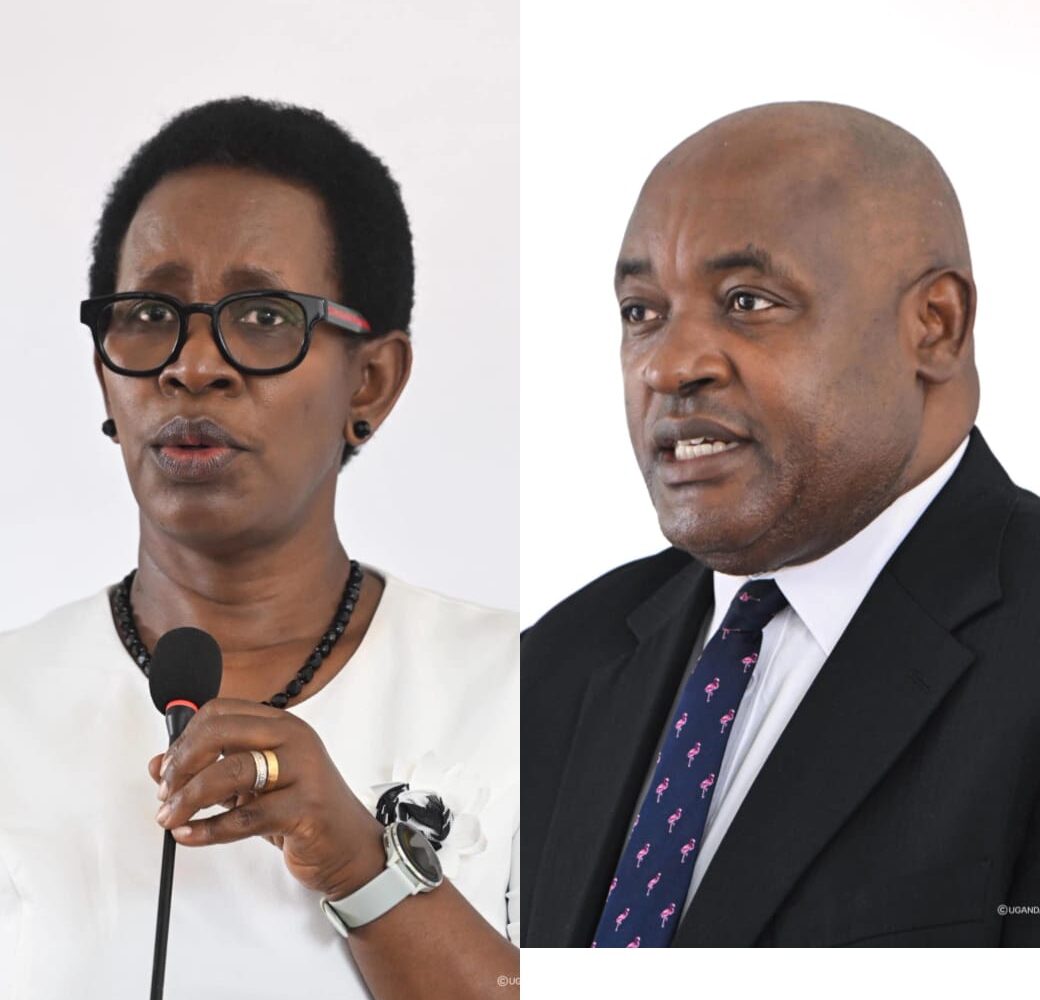
Launching the preliminary 2025 Uganda Population-based HIV Impact Assessment (UPHIA 2025) findings at the UgandaMediaCentre, Health Minister Dr Chris Baryomunsi said the results provide a basis for sharpening the country’s health priorities.
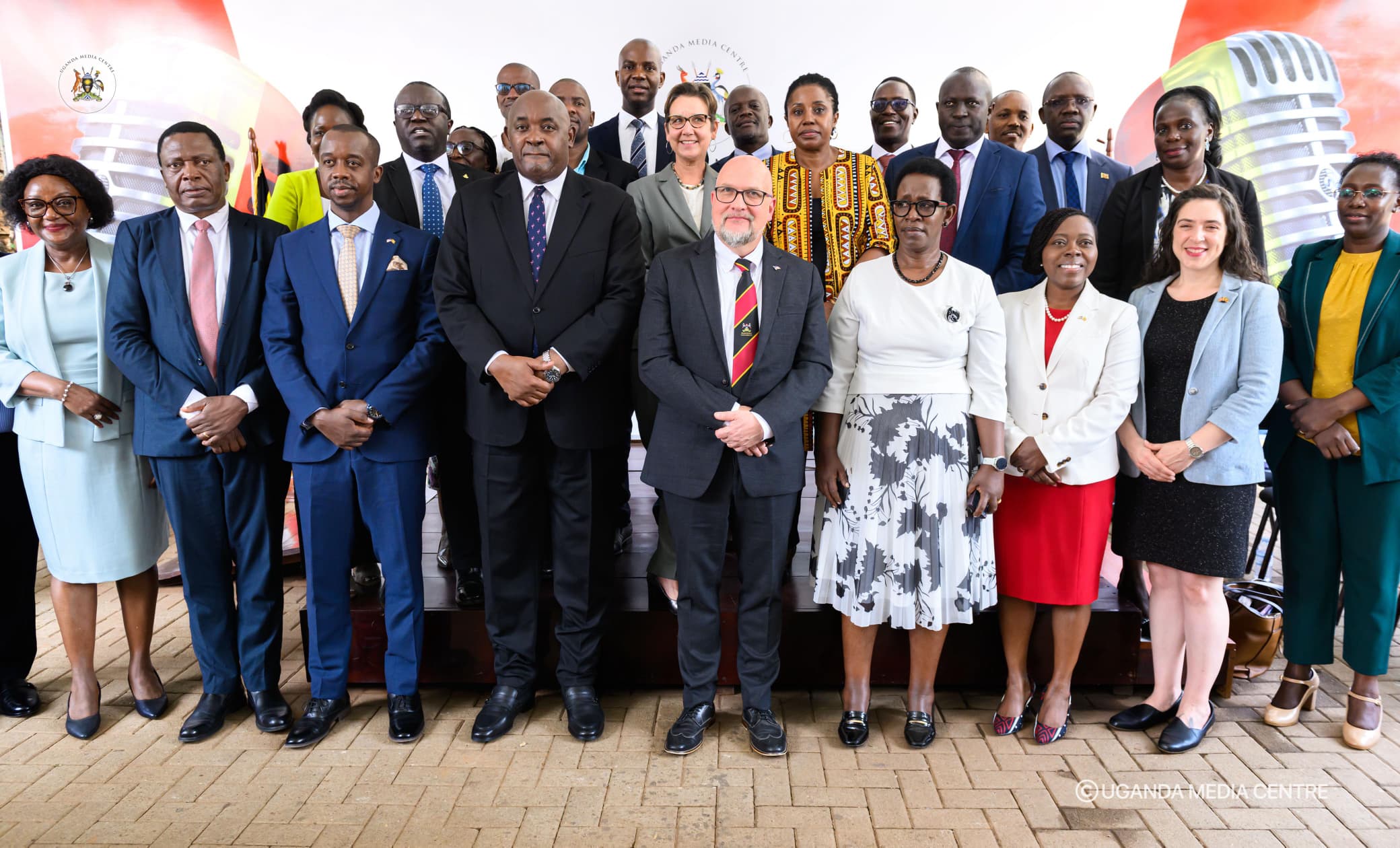
“The headline message is encouraging, but it is also clear about where we must focus,” Baryomunsi said.
“Our biggest remaining gap is at the very start: about one in seven people living with HIV do not know their status.”
The survey estimates that 1.496 million adults aged 15 years and above are living with HIV, with prevalence at 7.3 percent among women and 4.1 percent among men.
Among people aged 15–49 years, prevalence stands at 5.5 percent, compared with 6.0 percent in 2016/17 and 5.5 percent in 2020/21. Women account for 7.1 percent, against 3.5 percent among men.
Regional disparities remain substantial, ranging from 1.3 percent in Karamoja and 1.4 percent in West Nile to 8.0 percent in South Western Uganda. Central 1 recorded 7.3 percent, Central 2 7.2 percent, Mid North 6.8 percent, Mid Western 6.1 percent and Kampala 5.4 percent.
Among young people aged 15–24, HIV prevalence was 1.5 percent, but rose sharply between the two youngest age groups.
Prevalence among women increased from 1.3 percent at 15–19 years to 2.8 percent at 20–24, while among men it rose from 0.6 percent to 1.5 percent.
Uganda’s strongest gains were recorded across the HIV treatment cascade. 85.3 percent of people living with HIV know their status, 99.1 percent of those aware are on ART, and 96.5 percent of those on treatment are virally suppressed.
Overall viral-load suppression rose to 86.0 percent, from 75.4 percent in 2020.
“UPHIA 2025 is more than a survey report.
It is a national accountability instrument and a timely evidence base for the next phase of Uganda’s health reforms,” Baryomunsi said.
The survey also found 15.5 percent elevated blood pressure, 0.9 percent elevated blood glucose and 24.8 percent overweight or obesity among participants aged 15 and above.
The minister said Government would use the findings to direct resources towards communities with the greatest gaps while integrating HIV services with other chronic-care priorities.