By Joseph Mbazzi Muguluma (Immanuel Ben Misagga)
Travel, they say, teaches lessons that books sometimes cannot. After journeys through more than 68 countries and cities, the Kifuuta Oracles have returned with one striking conclusion: food is rarely the problem; the manner in which it is handled can be.
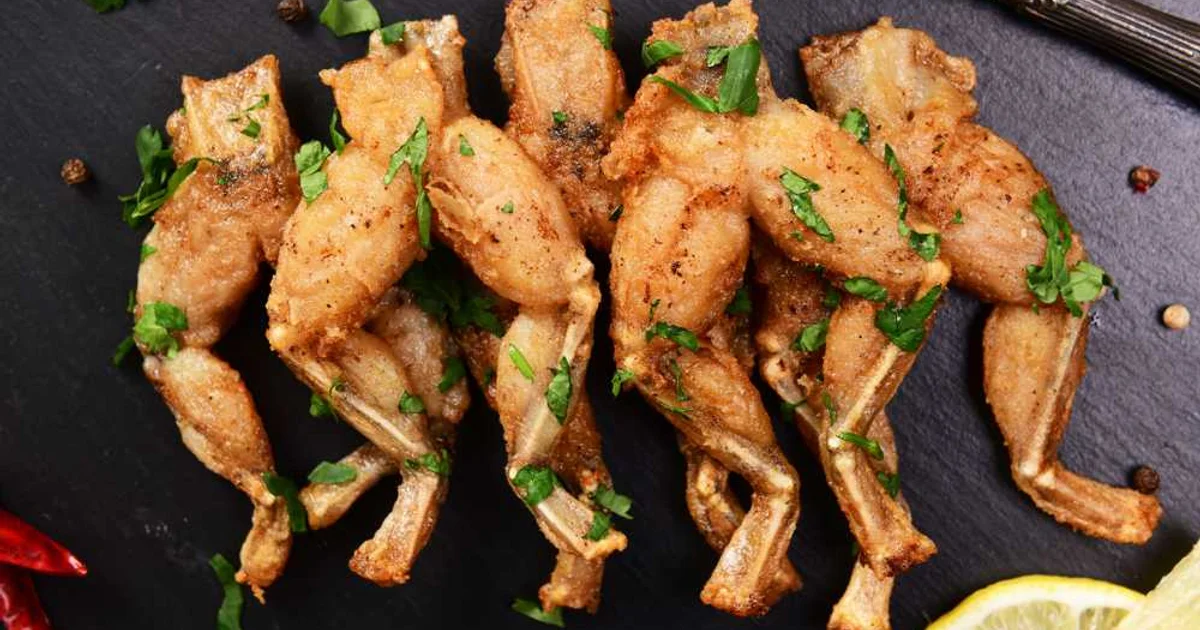
In Abidjan, Ivory Coast, I was served frog.
At first glance, the plate looked immaculate — spotless, neatly presented and free of flies. The meat was golden, crisp and so appetising that I ate it without hesitation.
“Madame, what meat is this?” I asked.
“C’est grenouille — frog,” came the reply.
I laughed, surprised by what I had just eaten, but there was no panic. I simply asked for another piece.
The experience taught me something important: clean preparation can transform a person’s perception of unfamiliar food.
The same lesson followed me to Zambia, where the Ngoni communities in places such as Chipata, Petauke and Lundazi serve mbeba, or rat. In Luapula, Mansa and Kasama, I encountered finkubala — caterpillars known in Luganda as ebisanyi.
Again, the unfamiliar food was presented cleanly and carefully.
Along the Zambezi, in places such as Kabompo and Chavuma, I encountered kakeya, small fish prepared until crisp. Whatever the cultural difference, the principle remained the same: clean food handling builds confidence.
That is why the Kifuuta Oracles have a message for Uganda’s food vendors: the customer may tolerate unfamiliar food, but poor hygiene is much harder to swallow.
Uganda’s hygiene problem is bigger than appetite
Back home, the experience can be very different.
Walk into some eating places in Kampala, Mbale, Kamuli, Mbarara, Arua, Jinja and other towns, and sometimes hunger disappears before the food arrives.
Flies hover around uncovered food. Dirty utensils are handled carelessly. Plates are served with traces of soap still clinging to them. Towels that were once white have become permanently brown from repeated use.
Then there are the servers.
Long or uncovered hair can fall into food. Fingernails may be visibly dirty. The same hands used to wipe sweat or touch other surfaces can end up handling chapati or serving food without proper washing.
An apron can become a multipurpose cleaning cloth — wiping plates, utensils and sweat before returning to the kitchen.
These are not merely aesthetic concerns. Food hygiene is a public-health issue.
A meal can be perfectly cooked and still become unsafe through contamination during preparation, handling, storage or serving.
The plastic problem needs facts, not fear
Then comes another practice that deserves serious attention: steaming food in plastic bags.
In some places, matooke and other foods are wrapped in plastic before being placed over heat. This has raised legitimate concerns about whether materials intended for food contact are suitable for heating.
But the argument should be based on evidence rather than automatically equating every plastic bag with cancer.
Different plastics have different chemical compositions, and the risks associated with heating them depend on the type of plastic, temperature, duration and whether the material is actually approved for food contact.
What should concern consumers is the casual use of unknown or non-food-grade plastic materials in direct contact with hot food.
Traditional banana leaves provide a readily available alternative for steaming matooke and other foods, while food-grade cookware and approved food-contact materials offer safer modern options.
The message, therefore, should not be that every piece of plastic automatically causes cancer. It should be simpler: do not heat food in plastic materials unless they are specifically designed and approved for that purpose.
When washing vegetables becomes another danger
The problem does not end in the kitchen.
At some markets and roadside stalls, vegetables are washed using visibly contaminated water from drains or other unsafe sources.
Imagine tomatoes, greens or other produce being dipped into stagnant water carrying dirt, waste or other contaminants, then being sold as though they have just been purified.
Washing produce is supposed to reduce contamination — not introduce another source of it.
Food vendors who wash vegetables for customers should therefore use clean, safe water and protect the produce from further contamination after washing.
Cleanliness is part of the business
The Kifuuta warning is ultimately simple.
Clean hands. Clean utensils. Clean water. Clean surfaces. Clean clothes. Proper food storage. Proper waste disposal. Protection from flies and other pests.
These are not luxuries reserved for expensive restaurants.
They are basic requirements for anyone preparing food for another human being.
A customer should not have to choose between satisfying hunger and protecting their health.
And perhaps that is the greatest lesson from those 68 journeys: I could sit down in Abidjan, discover that the meat on my plate was frog, and still ask for more — because it had been prepared and presented with confidence-inspiring hygiene.
Back home, however, even chicken can become unappetising when surrounded by flies, dirty utensils, contaminated water and careless handling.
The food may be different. The standard of cleanliness should not be.
For Uganda’s food vendors, the message is therefore not an insult but a challenge:
Clean the hands. Cover the food. Wash the utensils. Protect the water. Keep flies away. Use appropriate food-contact materials.
Because when hygiene improves, the food becomes safer, the customer becomes more confident, and the vendor’s business becomes more sustainable.
Food should nourish us — not become the starting point of preventable illness.