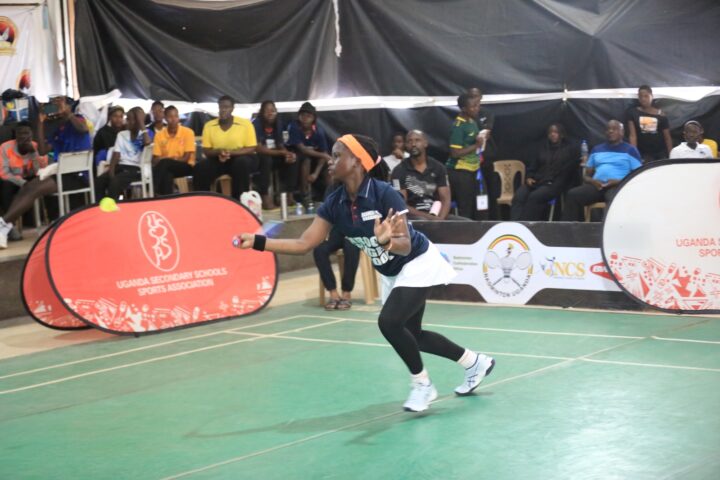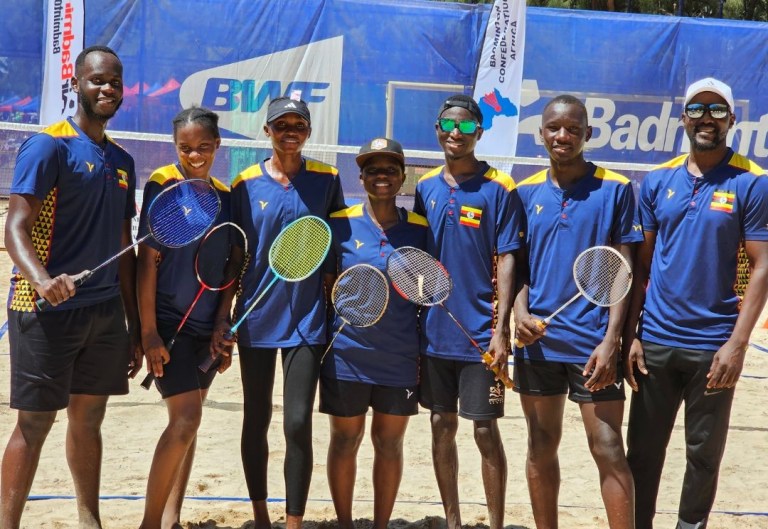
Uganda’s bid to reclaim the Africa AirBadminton Championship will be tested by a significantly stronger field when the continental showpiece arrives at Entebbe’s Aero Beach from 16–19 September.
The hosts will have home advantage, but little else will come easy.
Fourteen nations—Algeria, Benin, Burkina Faso, Burundi, Comoros, Egypt, Tunisia, Nigeria, Kenya, Mauritius, Rwanda, Zambia and Zimbabwe—will join Uganda for four days of competition across two courts overlooking Lake Victoria.
Uganda enter the championship with unfinished business.
The hosts were absent from the 2025 edition in Accra, where Egypt defeated Nigeria in the final to take the crown.
Egypt now return to Uganda as defending champions, while Nigeria and an expanded field add further weight to the challenge.
The tournament has evolved rapidly since Uganda’s breakthrough in Mauritius in 2024.
What began with six participating countries grew to 11 in Ghana and has now reached 14, underlining the sport’s expanding footprint on the continent.
Uganda’s maiden triumph remains a benchmark.
Having only been introduced to AirBadminton and its official rules weeks before the inaugural championship, the Ugandans stunned the field at Mont Choisy Beach.
They opened with a 60–8 demolition of Comoros, edged hosts Mauritius 60–57 in a tense encounter, overcame South Africa 60–58, and then defeated Tunisia 60–47 to complete an unlikely march to the continental title.
Augustus Owinyi, Muzafaru Lubega, Olivia Nakajja, Malha Musa, Sharifah Mbabazi and Fred Kadoli were among the players who delivered that historic campaign under coach William Kabindi.
Uganda also claimed gold in the Women’s Triple and silver in the Men’s Triple, giving the team an early foothold among Africa’s leading AirBadminton nations.
Three members of that championship-winning squad are back for another assault on the title, bringing with them first-hand knowledge of what it takes to navigate the demands of outdoor competition.
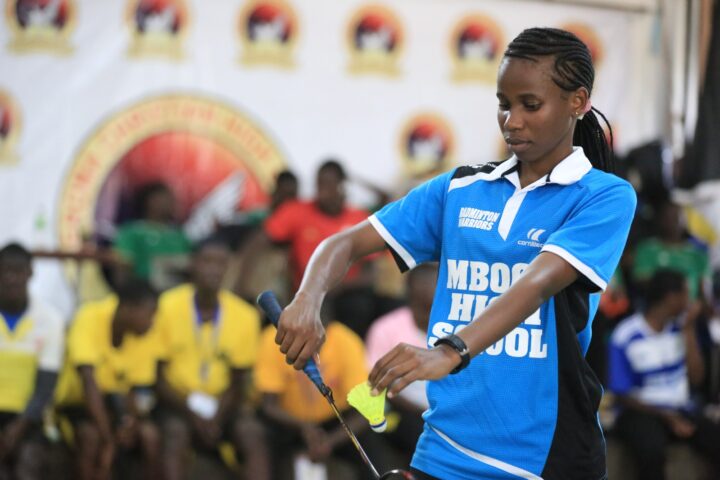
The current team is already preparing at Mbogo High School, with Reagan Nsubuga, Lubega, Bruno Agaba and Denis Mukasa among those in training. Tracy Naluwoza, Gladys Mbabazi, Nakajja and Musa are also part of the camp.
Yet Uganda’s biggest weapon could ultimately be the setting itself.
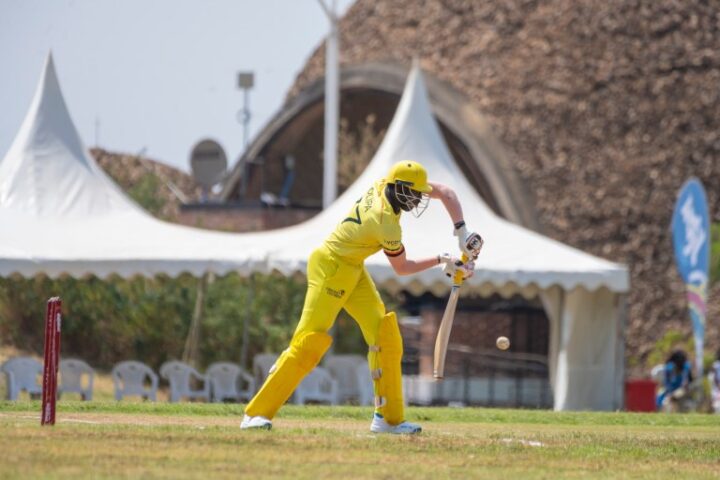
The Lake Victoria breeze, sand surface and home crowd will create conditions distinctly different from conventional indoor badminton and could give the hosts an important edge as they attempt to dethrone Egypt.
AirBadminton, developed by the Badminton World Federation (BWF), takes badminton outdoors and introduces equipment and playing conditions designed for the elements.
Instead of the conventional shuttlecock, players use a heavier, wind-resistant AirShuttle, with matches played on sand, grass or hard outdoor surfaces.
The triples format, in particular, demands a different tactical approach.
In 3v3, a player cannot strike the AirShuttle twice consecutively, meaning every return must involve a teammate.
Communication, positioning, movement and anticipation therefore become just as important as individual stroke-making.
Doubles and triples are played on a 16m by 6m court, while singles uses a 16m by 5m court. A two-metre dead zone on either side of the net further changes how players construct rallies.
Matches are played best of five games, with each game going to 11 points.
At 10-all, a player must establish a two-point lead, subject to a 13-point maximum.
For Uganda, the championship is also the latest test of efforts to take badminton beyond conventional indoor venues.
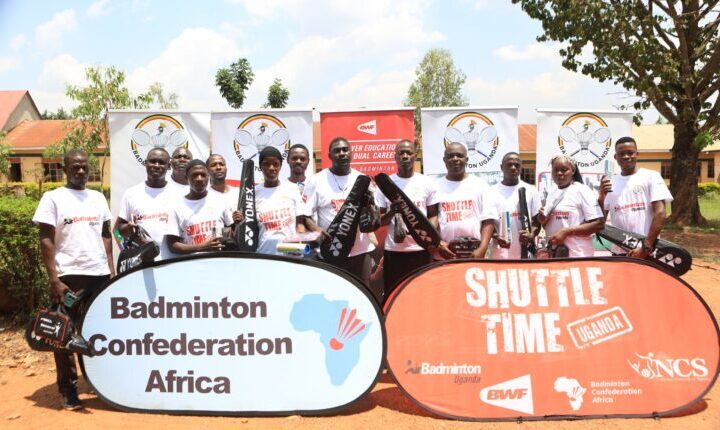
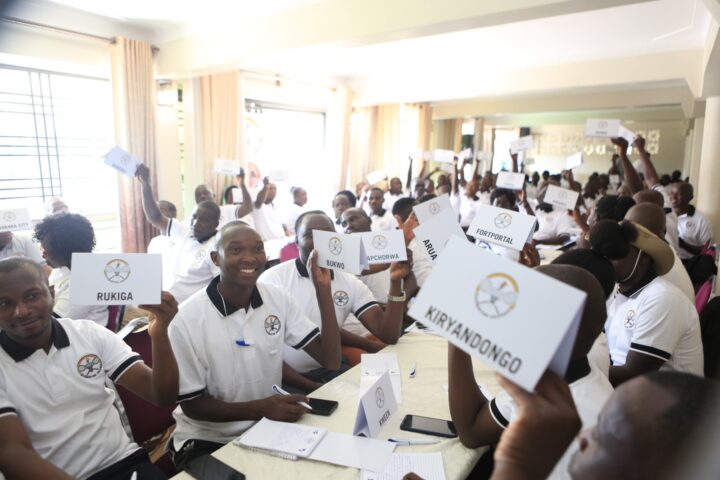
Through grassroots initiatives such as Shuttle Time, Badminton Uganda has trained hundreds of physical education teachers, helping introduce the outdoor format to communities across regions including Busoga and Bunyoro.
Now, with Africa’s leading AirBadminton nations converging on Entebbe, Uganda’s 2024 triumph faces its sternest examination yet.