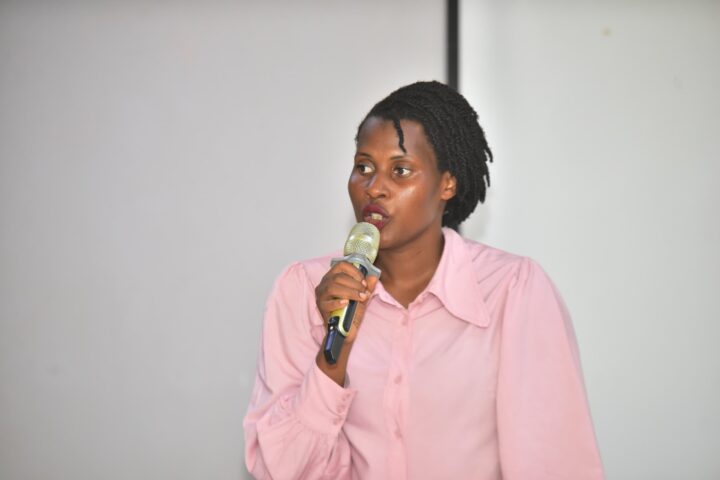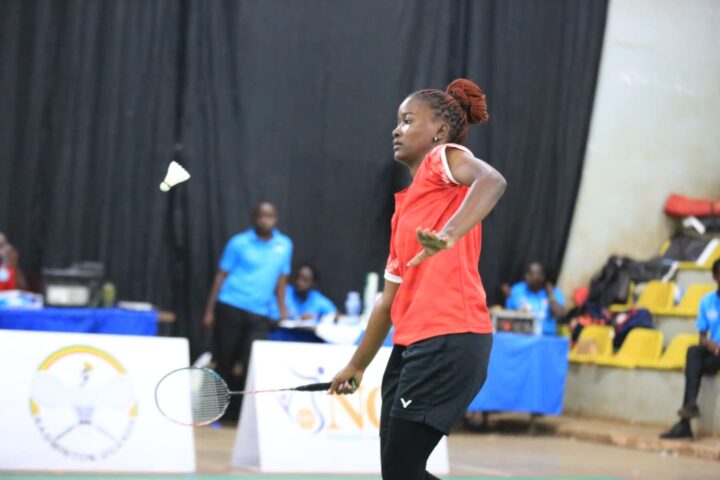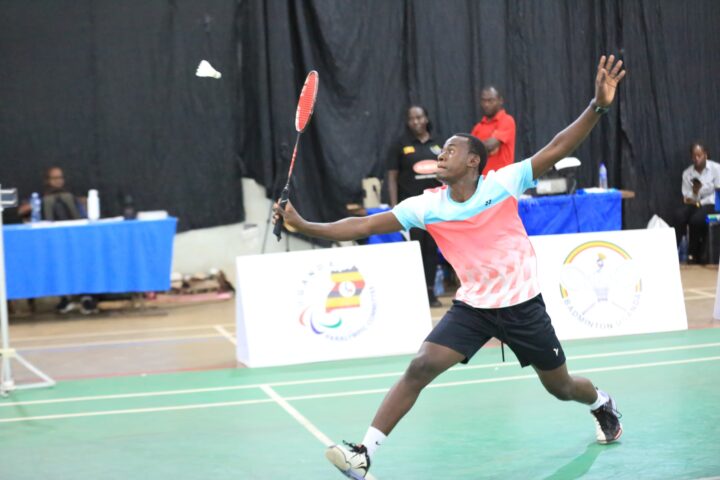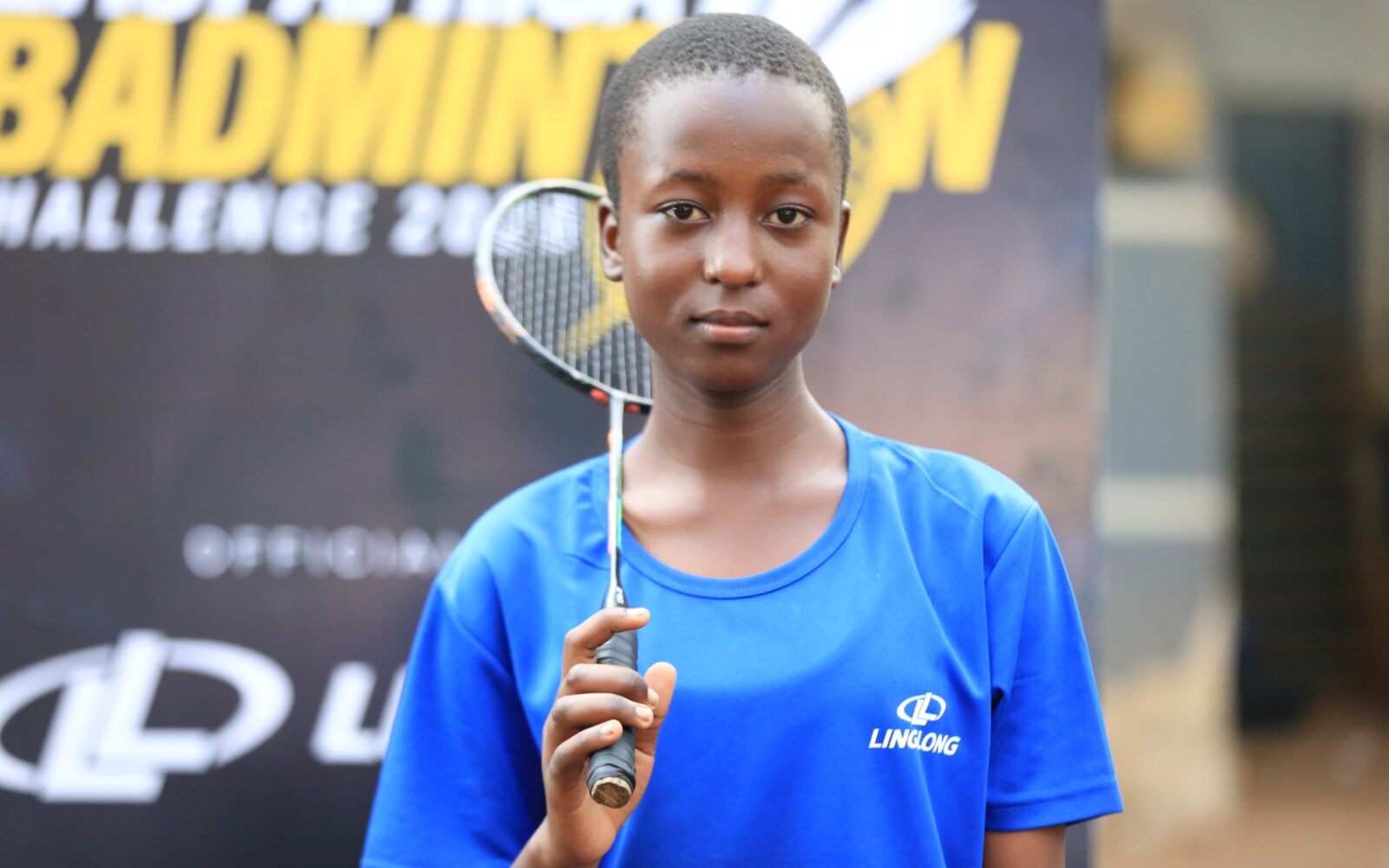
KAMPALA — For Dinah Achom, a student from Ngora High School in Ngora District, her debut at the 9th edition of the City Tyres East Africa Badminton Challenge has been a humbling but valuable lesson in what it takes to compete at a higher level.
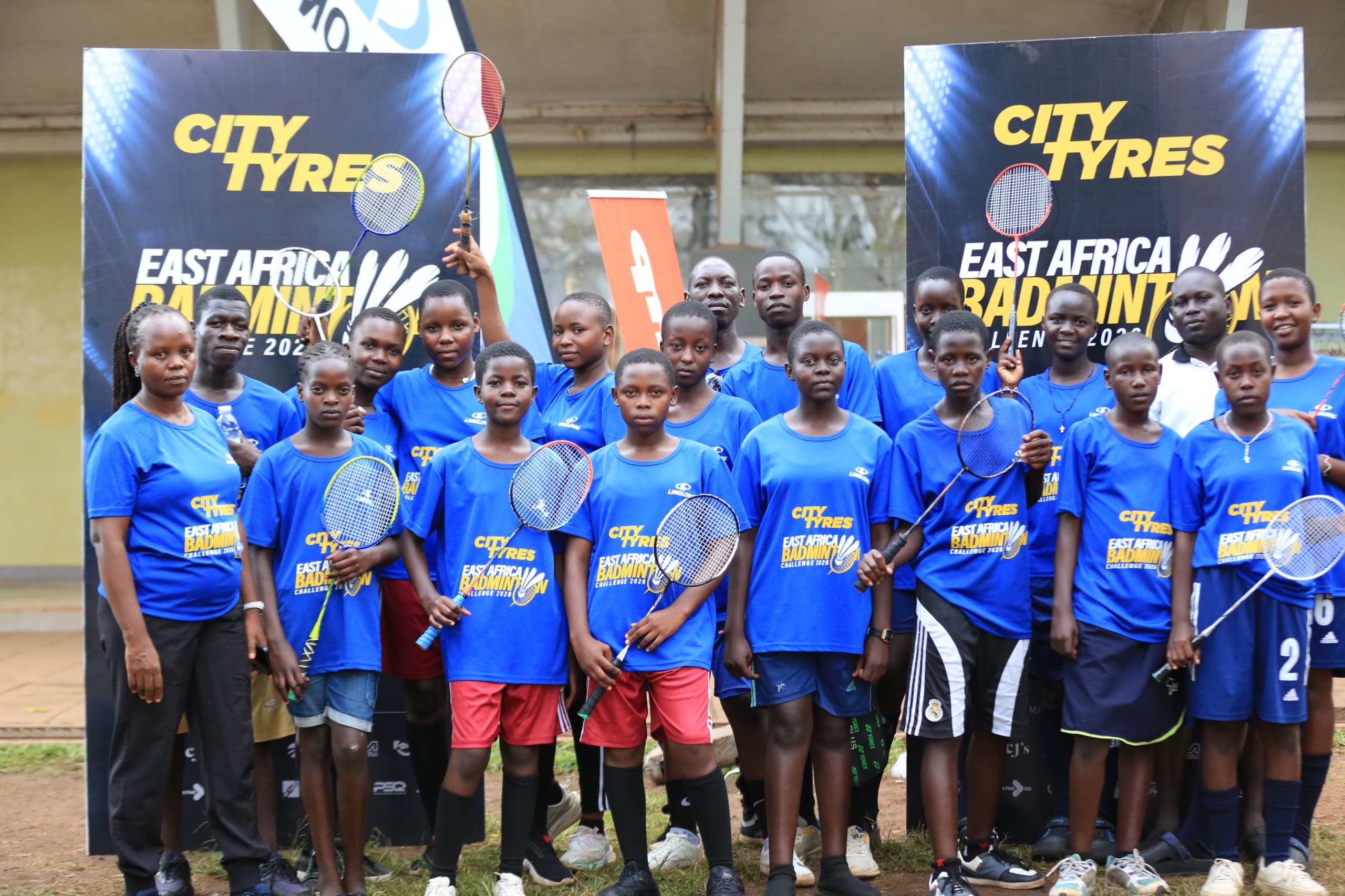
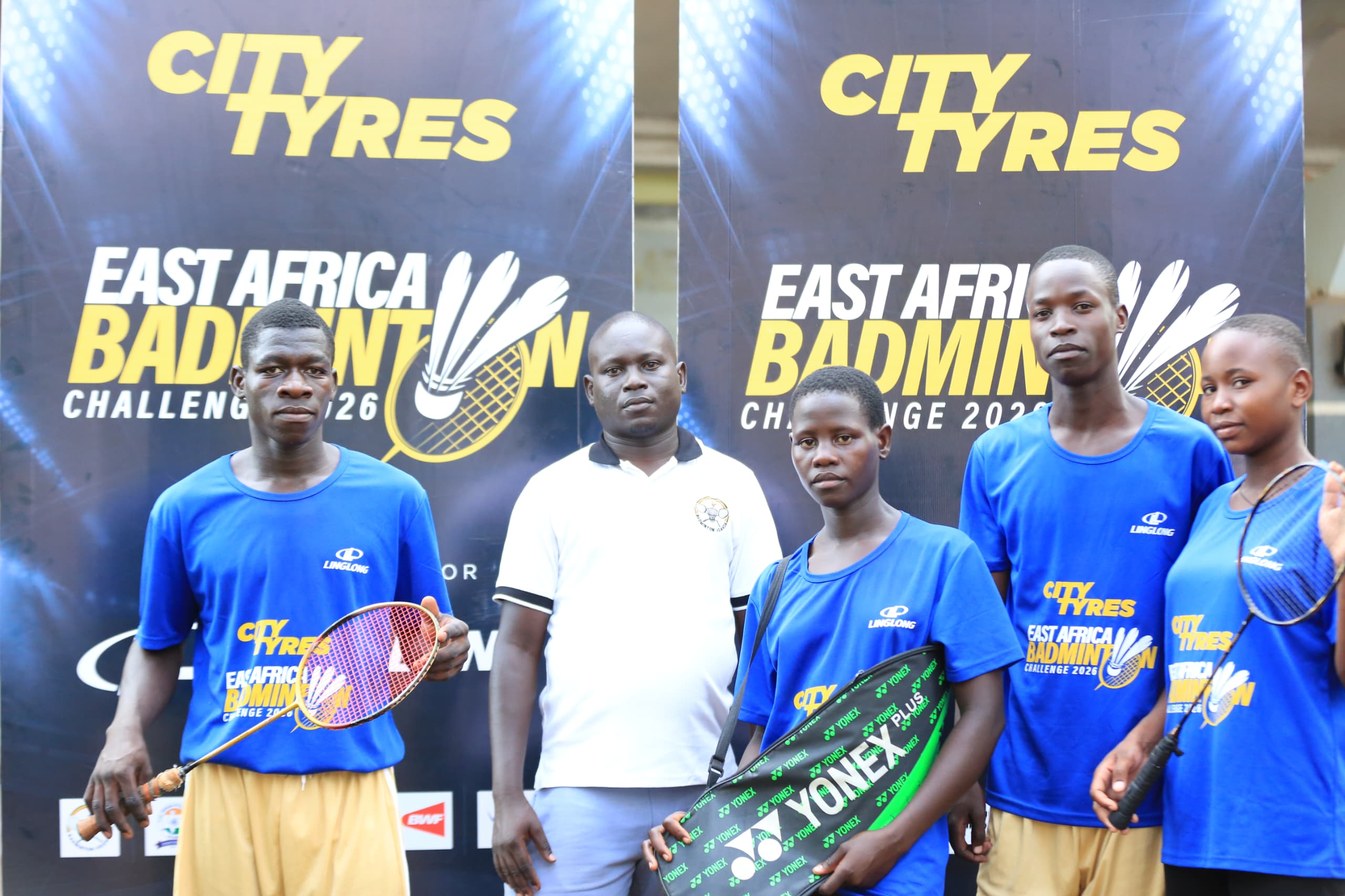
Achom is among more than 30 emerging badminton players from Eastern Uganda who have made their first appearance at the regional championship, currently taking place at the Lugogo Indoor Stadium, having been introduced to the sport through the Shuttle Time grassroots development programme.
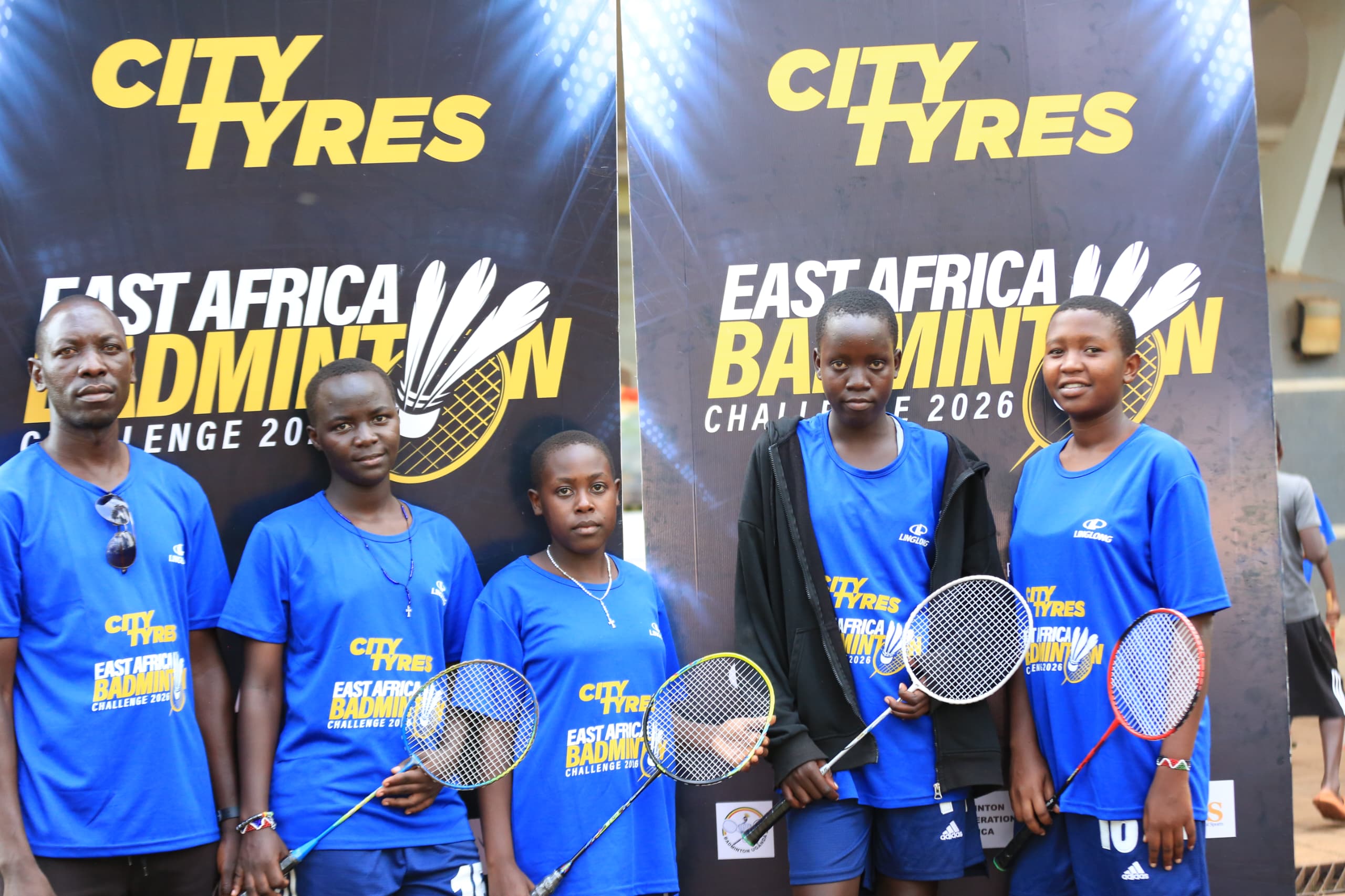
Although the experience has exposed the gap between her current abilities and the demands of competitive badminton, Achom believes the lessons learnt will provide the foundation for her ambition to become a champion and pursue a professional career.
“It is a very tough and competitive championship, far beyond what I expected.
I have been challenged by younger players who possess much better skills and a deeper understanding of the game than I do,” Achom reflected.
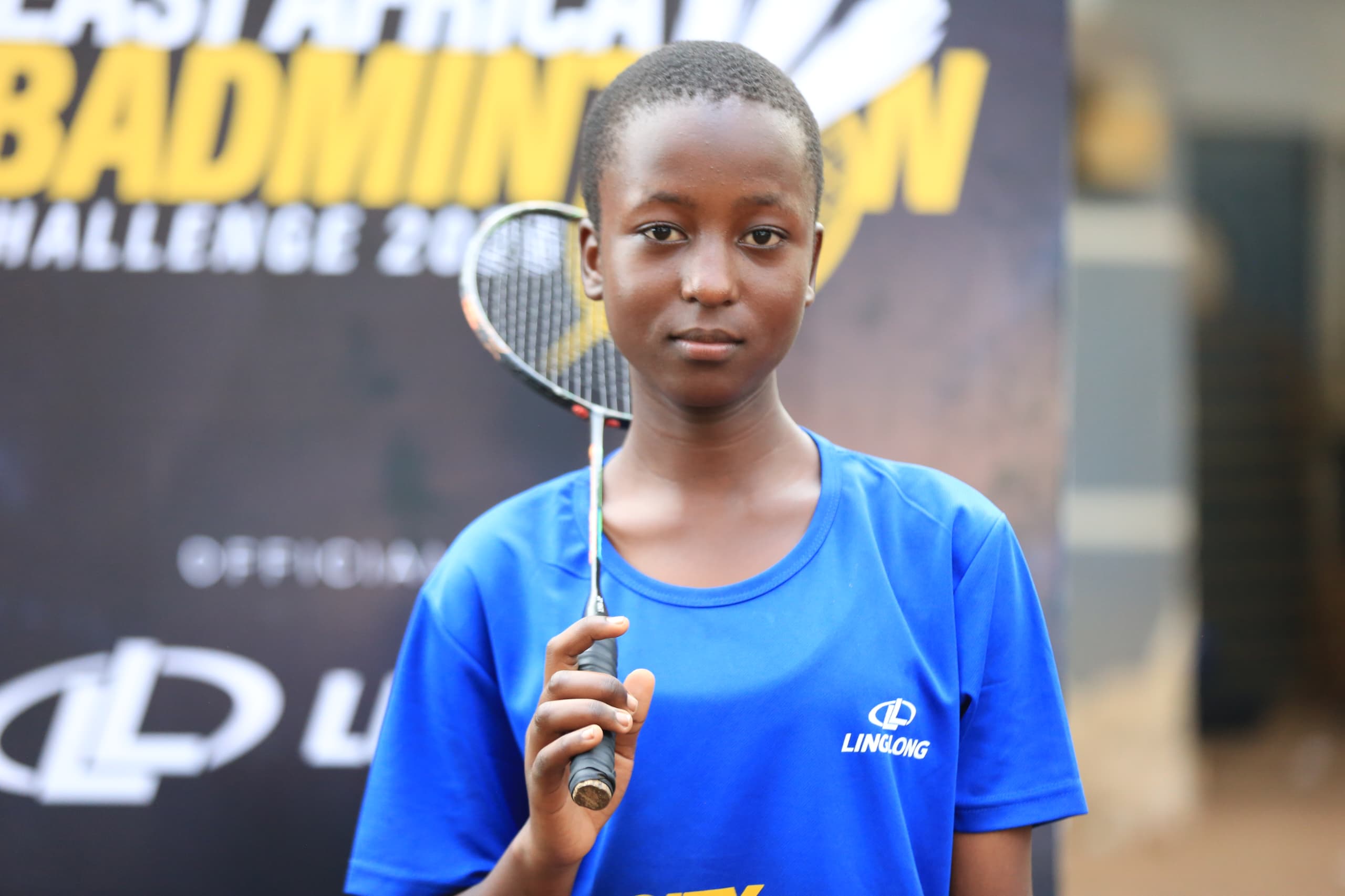
“You can face a young girl who already knows when to play a defensive shot, smash, make runs and exploit your weaknesses.
These are things I am still learning, and it has not been easy to match their quality.”
For Achom, the challenge has extended beyond the technical demands of the game to the differences in playing facilities and the level of preparation among competitors.
She says the facilities in Ngora are considerably different from those at Lugogo, making adaptation to the playing environment another hurdle for the debutants from Eastern Uganda.
“The facilities here and those in Ngora are completely different in both quality and size. It has taken me time to adapt and get used to them,” she explained.
“While you are still adjusting, you meet a young player from the central region who has been training for four years and knows how to make you run throughout the game.
It has been difficult to match that level.”
Despite the challenges, Achom has taken away important lessons about the physical fitness, flexibility, tactical awareness and quick decision-making required to excel in badminton.
She had previously underestimated the physical demands of the sport but now appreciates the importance of endurance and the ability to read the game while responding quickly to an opponent’s movements.
“You must be fit enough to run throughout the game.
I used to think badminton involved less running, but I have learnt that you need endurance, flexibility and quick thinking.
You must also be willing to learn from people who are better than you, regardless of their age,” she added.
Rather than allowing the difficult debut to dampen her ambitions, Achom says the experience has strengthened her resolve to improve when she returns home.
“I am going back to Ngora motivated to work harder.
In the next few years, I want to become a champion, and my ultimate target is to build a professional career in badminton.”
Her experience reflects the importance of exposing emerging players to high-level competition as Uganda seeks to expand badminton beyond its established centres.
Shuttle Time opens doors
Badminton Uganda Chief Executive Officer Simon Mugabi says the participation of players from Eastern Uganda demonstrates the growing reach of the Shuttle Time programme and its role in creating opportunities for young athletes to compete at national and regional events.
“Shuttle Time is helping us take badminton closer to communities that have traditionally had limited access to the sport.
By introducing young people to badminton and equipping them with basic skills, we are creating a foundation from which talent can be identified and nurtured,” Mugabi said.
He added that sustained investment in grassroots development would be essential in helping emerging players progress to higher levels of competition.
“Our objective is not simply to introduce children to badminton, but to provide them with pathways to improve, compete and eventually represent their schools, districts and country.
Exposure to championships of this nature helps them understand the standards required and what they need to do to improve,” he noted.
Players at this year’s championship have been drawn from seven districts, including Butaleja, Ngora, Pallisa, Mbale, Soroti, Serere and Busia, underlining the programme’s expanding geographical footprint.
Teachers seek technical support
The competition has also provided valuable exposure for games teachers Hellen Cheruto of Mulagi Girls School and Vincent Achadu of Olok Seed Secondary School, who say the experience has broadened their understanding of competitive badminton.
Achadu believes the lessons gained at Lugogo will help teachers better appreciate the technical and tactical demands of the sport, but says more support is needed to translate that experience into effective coaching at school level.
“Participating in a championship of this standard has been an eye-opener.
It exposes both teachers and players to the level of preparation, technical ability and tactical awareness required to compete.
However, we need more technical guidance and regular training opportunities to help us develop our players effectively,” Achadu said.
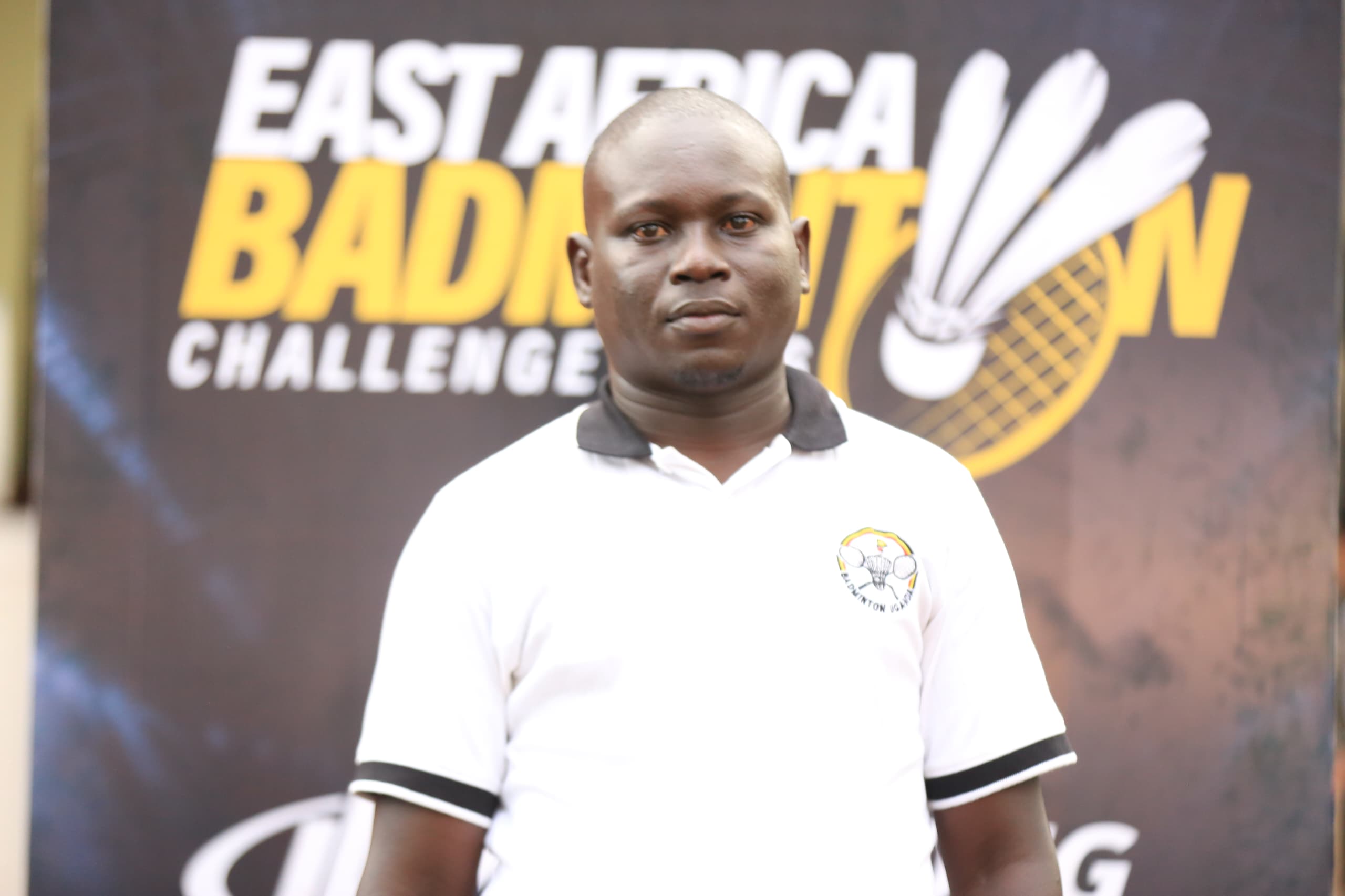
He added that strengthening the capacity of games teachers would be critical to sustaining the growth of badminton in schools and districts where the sport is still developing.
Four categories produce champions
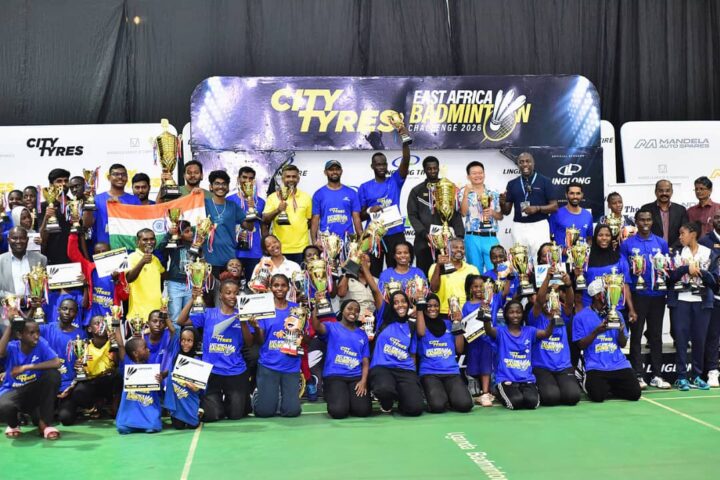
Meanwhile, the 2026 City Tyres East Africa Badminton Challenge has already crowned champions in four categories ahead of the competition’s scheduled conclusion on Sunday, October 19, at Lugogo Indoor Stadium.
In the coaches’ category, Fredieh Kirabo claimed gold in the men’s competition, while Adam Mubiru settled for silver.
Meble Namakoye and Nabirungi won gold and silver respectively in the women’s event.
Thomas Biju and Irish Krishnan Naveen won the veterans’ unisex doubles title after edging William Kabindi and Godfrey Kivumbi 3–2 in the final.
Ndejje University emerged champions in the university category, overcoming Uganda Christian University (UCU), who finished with silver.
For Acom and the other first-time participants, however, the championship’s significance extends beyond the medals and trophies.
Their exposure to stronger opponents has offered a glimpse of the work required to progress, while reinforcing the importance of grassroots programmes in creating opportunities for aspiring badminton players across Uganda.