Uganda’s sports industry is being urged to rethink its future—not on the pitch of play, but in the realm of intellectual property—as the Uganda Registration Services Bureau (URSB) intensifies efforts to align the sector with global standards.
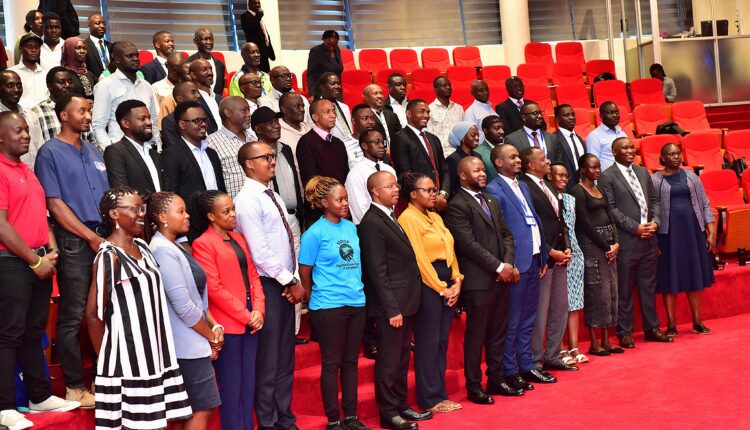
At a high-level breakfast engagement held Monday at the Uganda Business Facilitation Centre in Kololo, URSB convened sports federations, administrators, and media practitioners to spotlight the commercial and legal power of intellectual property (IP).
The meeting is part of a broader build-up to World Intellectual Property Day, which this year is themed “IP and Sports: Ready, Set, Innovate.”
The gathering brought together key figures across Uganda’s sporting landscape, including Netball Uganda President Joyclyn Ucanda, Uganda Dance Sport General Secretary Barnabas Ssebuyungo, cricket representative Musaali Denis, and Uganda Rugby Union CEO Isaac Lutwama Nsubuga.
Journalists and media stakeholders also took part, reflecting the cross-cutting nature of IP in sports.
URSB officials used the platform to stress a pressing concern: many sports bodies are operating without formal protection of their intellectual assets.
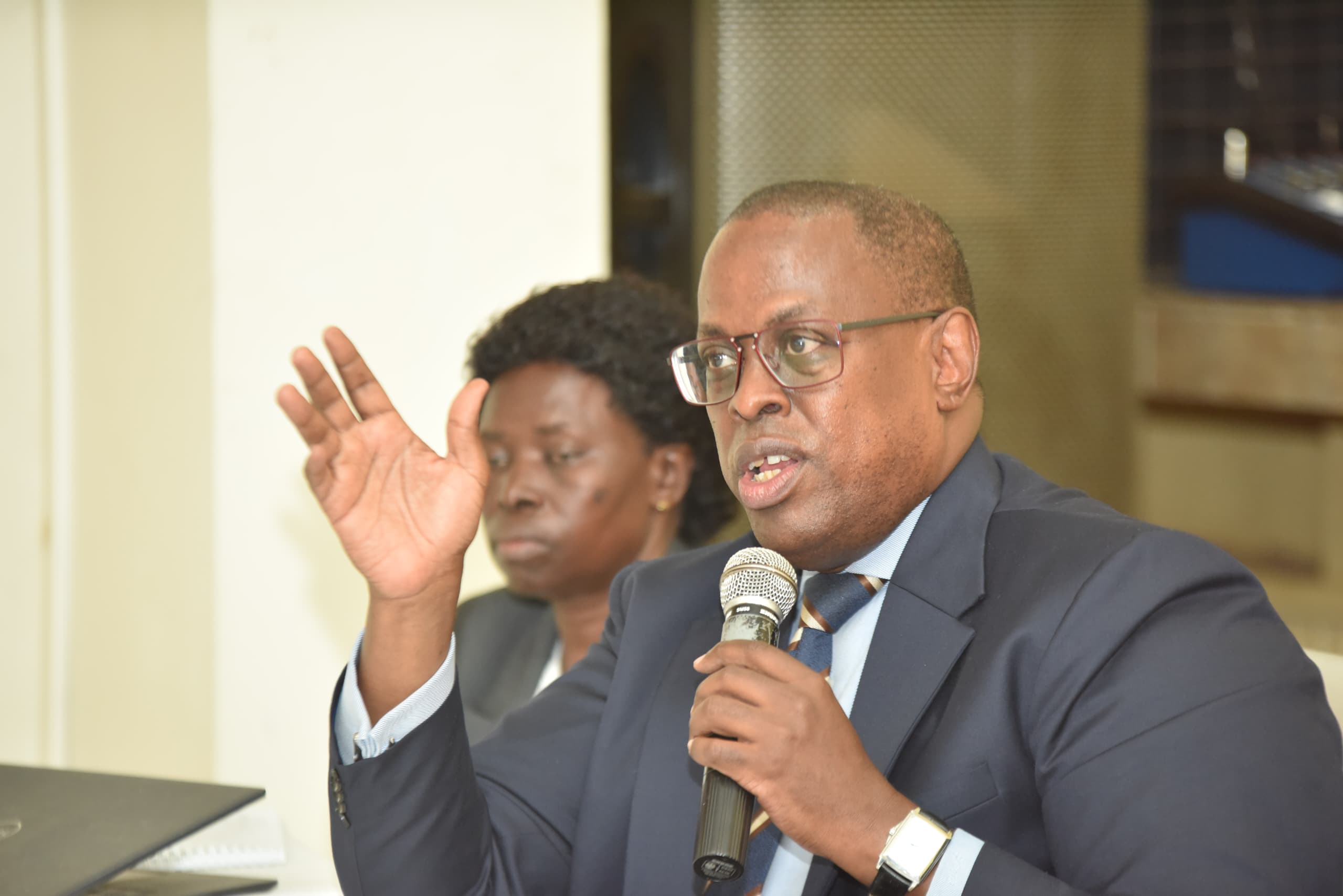
Deputy Registrar General Ntale Mustapher, alongside Commissioner for Intellectual Property Mugabe Robert and Project Support Officer Okaka Jeremiah, led discussions that exposed significant gaps in IP awareness and enforcement.
Central to the dialogue were issues such as image rights, trademarks, broadcasting rights, branding, and naming rights—critical elements that remain underexploited in Uganda’s sports economy.
Kakungulu Allan, Assistant Commissioner in charge of Trademarks at URSB, issued a stark warning about the risks of inaction.
“All sports clubs and federations have logos that distinguish them, and it is a requirement by the National Council of Sports. However, most of these are not registered with URSB, which is risky because they lack legal protection,” he noted.
He emphasized that beyond compliance, proper registration opens doors to monetization and brand security, transforming logos and identities into revenue-generating assets.
For sports administrators, the message resonated with evolving legal realities. Uganda Rugby Union CEO Isaac Lutwama Nsubuga acknowledged the shifting landscape:
“The new law requires us to demonstrate ownership of our activities, logos, and even understand players’ rights. We appreciate URSB for this engagement and look forward to further participation,” he said.
The conversation also struck a chord with media professionals, who were challenged to reconsider their own practices around content use and rights management. Renowned sports journalist and patent lawyer Leone Ssenyange pointed to widespread blind spots:
“We’ve realized that many federations haven’t registered their logos, leaving them open to infringement. Even in broadcasting, media houses often unknowingly violate rights.
This session has been an eye-opener on how far we can go and what we must protect,” he explained.
With Uganda’s sports sector gaining momentum, URSB’s intervention signals a strategic pivot—one that positions intellectual property not merely as a legal safeguard, but as a cornerstone of innovation, commercialization, and long-term sustainability.
The Kololo meeting now sets the tone for a larger climax event later this week, as momentum builds toward embedding IP consciousness at the heart of Uganda’s sporting future.