With less than a month to the 2026 Commonwealth Games in Glasgow, Uganda’s athletics preparations have been thrown into disarray, as federation president Dominic Otuchet paints a stark picture of financial strain undermining Team Uganda’s readiness.
Otuchet revealed that acute funding shortages have forced a drastic scaling down of pre-Games training programmes, significantly compromising the team’s build-up.
“We had planned six weeks for a residential training camp, but that wasn’t possible. We reduced it to just two weeks,” Otuchet disclosed.
The situation has been further exacerbated by infrastructural challenges, notably the continued closure of Mandela National Stadium, Namboole, which is undergoing its second phase of renovations.
The absence of the country’s premier athletics facility has disrupted non-residential training schedules and forced athletes into less-than-ideal alternatives.
“The closure of Namboole Stadium has been a big setback. We shifted the team to Mukono, but the texture of the track there is completely different from what we shall compete on in Glasgow,” he added.
In response, the federation has resorted to decentralising training camps—an emergency measure that underscores the extent of the crisis.
Sprinters have relocated to Hoima City Stadium, while long-distance runners are training in Bukwo near the Kenyan border, a region known for its altitude advantage but lacking in elite training infrastructure.
Amid these constraints, Otuchet has issued a direct appeal to the private sector, urging corporate entities to step in and bridge the financial gap.
“As we wait for government funding, I call upon corporate companies to partner with Uganda Athletics.
The whole country is looking at athletics to deliver medals, but the federation needs resources to make that happen.”
Compounding Uganda’s challenge is a generational transition within the national team.
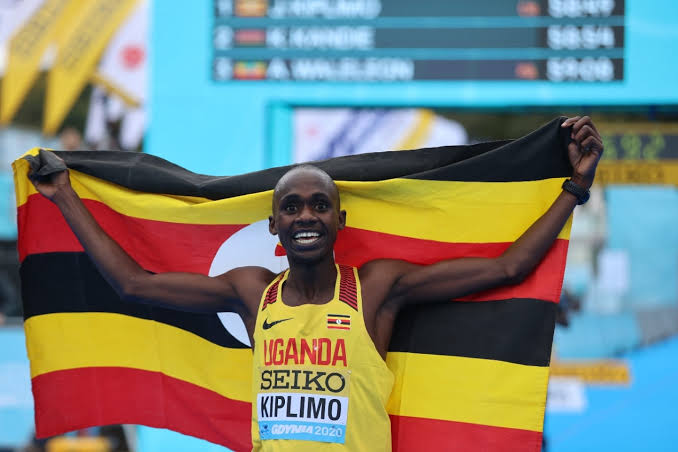
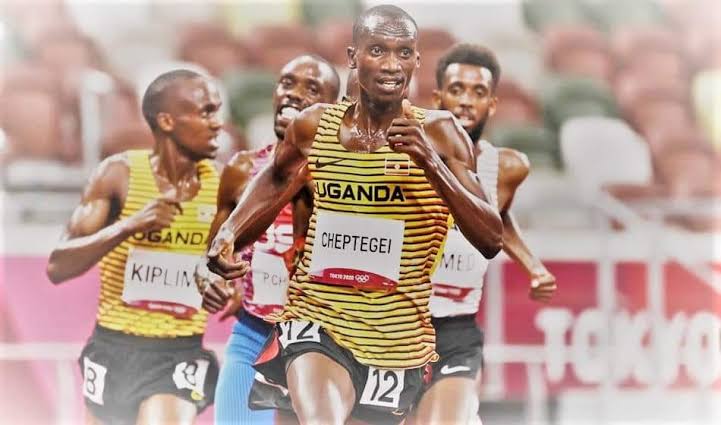
Long-distance icons Joshua Cheptegei and Jacob Kiplimo—both central to Uganda’s recent global success—have shifted their focus to road running, leaving a new cohort to shoulder expectations on the track.
Despite the turbulence, Uganda has unveiled a 17-athlete squad that blends established performers with emerging talent.
Leading the women’s team is Olympic champion Peruth Chemutai, who returns as the nation’s flagship athlete in the 3000m steeplechase.
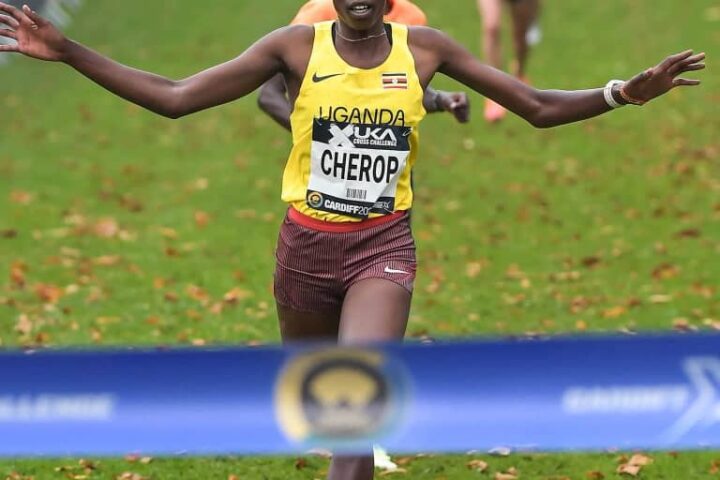
She is joined by seasoned campaigners including former world champion Halimah Nakaayi (800m) and World Cross Country silver medallist Joy Cheptoek (10,000m).
Additional depth comes from Shida Leni and Banura Maureen Akii (400m), Aciru Knight (1500m), and long-distance runners Rebecca Chelangat and Esther Chebet.
On the men’s side, World Championships bronze medallist Oscar Chelimo spearheads Uganda’s medal ambitions in the 5000m.
He will be supported by Dominic Kiprop, Dan Kibet, and Kenneth Kiprop, while Herbert Kibet takes charge of the 10,000m.
Silas Chemutal features in the mile, with Adoli Haron and Omuka Kenneth competing in the 400m, and Otim David Berkham adding diversity in the long jump.
The team will be overseen by Paul Okello, who assumes the dual role of coach and team manager, assisted by coaches Issamat Jimmy and Oding Quinto—who also serves as physiotherapist—while Suzan Laker handles administrative duties.
Uganda travels to Glasgow aiming to build on its commendable performance at the 2022 Commonwealth Games in Birmingham, where the nation secured four medals.
Jacob Kiplimo delivered a historic double gold in the 5000m and 10,000m, setting a Games record in the latter, while Victor Kiplangat clinched marathon gold.
As the clock ticks down to July 23, Uganda’s athletes face a race against time—not only against their global competitors, but against the systemic challenges threatening to blunt their competitive edge.