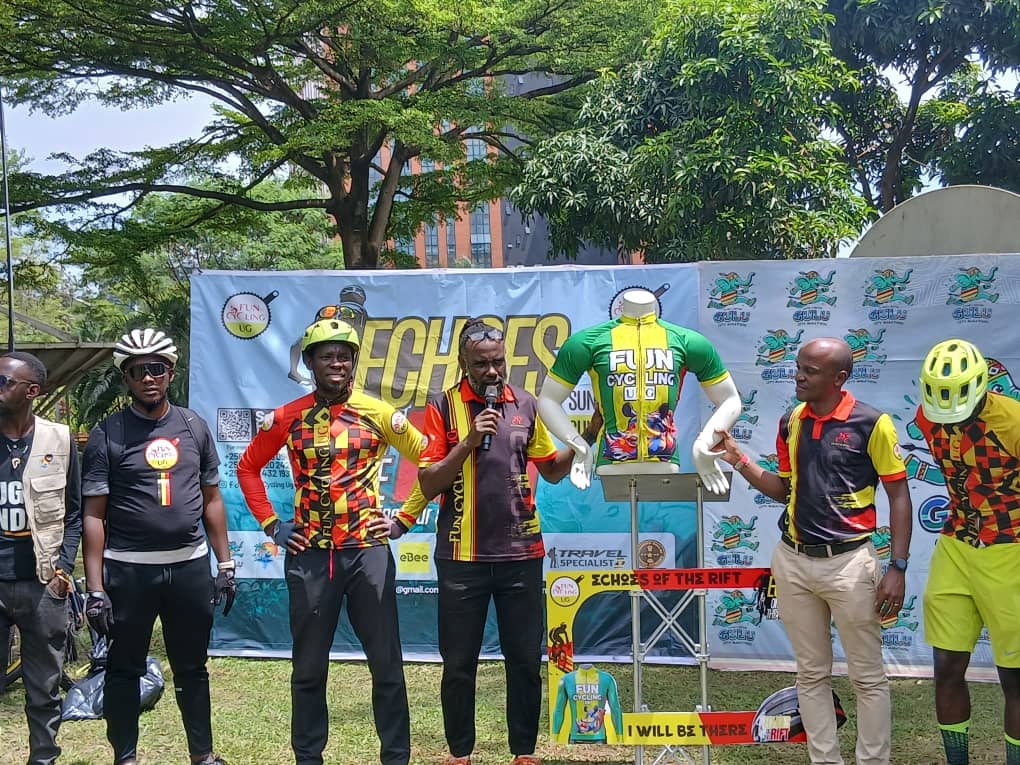
Fun Cycling Uganda has launched Echoes of the Rift: A Cycling Tour Along the Nile with the White Rhinos, an eight-day expedition designed to promote sports tourism, celebrate Uganda’s historical heritage and showcase the country’s diverse natural attractions, with particular emphasis on the often-overlooked West Nile region.
The tour, scheduled for November 29 to December 6, will bring together more than 40 cyclists on a 550-kilometre journey from Kampala through the Albertine Rift Valley and West Nile before culminating in Gulu City.

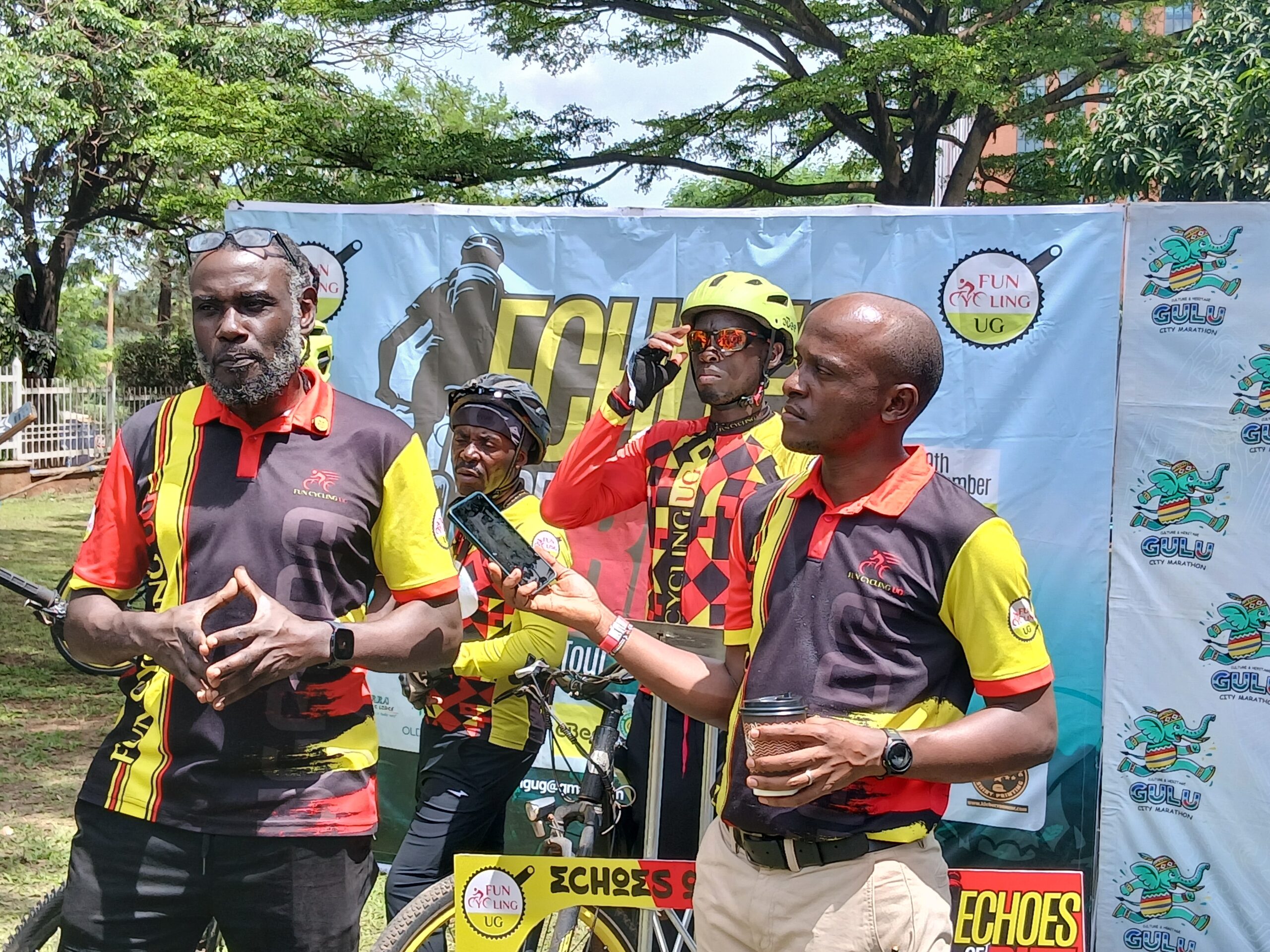
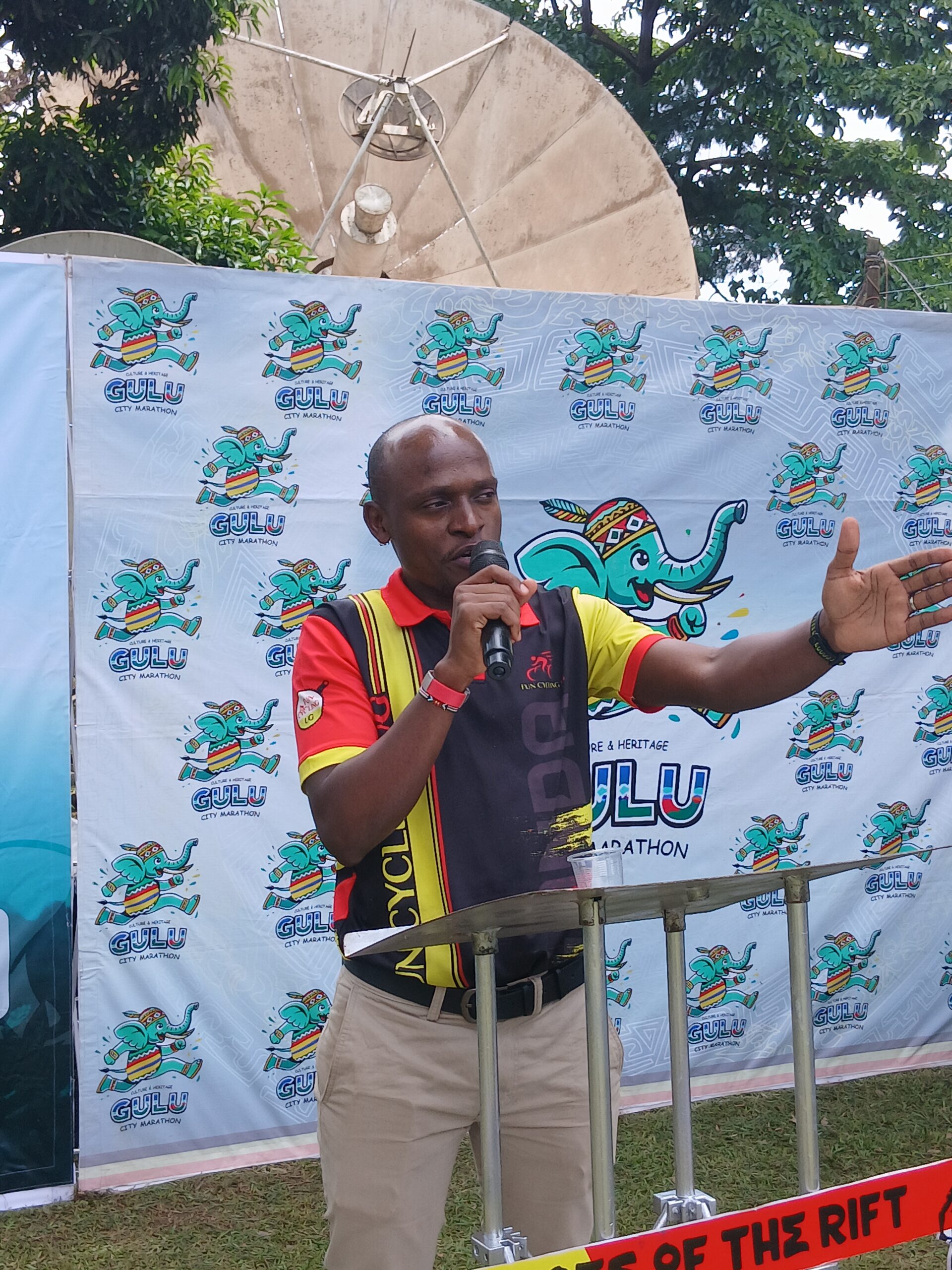
Speaking at the launch, Fun Cycling Uganda chairperson Ras B. Ssali said this year’s expedition had been deliberately expanded to introduce Ugandans to destinations and historical landmarks that have not received sufficient attention in the country’s tourism narrative.
“Ugandans are familiar with destinations like Kalangala, Kasese and Kapchorwa. The tour is designed to reveal the beauty and history of West Nile,” Ssali said.
He explained that the expedition would also retrace the historic 1909 journey of former United States President Theodore Roosevelt, who travelled from Entebbe towards Sudan along the same route while exploring the Nile region and tracking white rhinos.
The historical connection gives the expedition an educational dimension, allowing participants, particularly young people, to discover an important but relatively unfamiliar chapter of Uganda’s history.
The journey will commence at the Independence Monument in Kampala, with Hoima, approximately 200 kilometres away, serving as the first major stop.
From Hoima, cyclists will traverse the Albertine Rift Valley towards Wanseko on the shores of Lake Albert before proceeding to Panyimur, the Gipiri-Labong historical site, Pakwach and Ajai Wildlife Reserve.
At Ajai, participants will experience a game drive and cycling activities as part of efforts to draw attention to the reserve, which the Uganda Wildlife Authority is working to revive through wildlife restoration following years of poaching.
The expedition will subsequently proceed to Rhino Camp in Madi-Okollo, where cyclists will have an opportunity to explore the surrounding landscape and appreciate the significance of white rhino conservation, a theme also reflected in the tour’s jerseys.
From Rhino Camp, the group will head towards Obongi Landing Site along the White Nile, passing through refugee settlements before undertaking a two-hour boat cruise to Arra Fishing Village.
The fishing village will host a dedicated rest day featuring water-based activities, community hikes and other recreational experiences intended to immerse participants in the area’s natural beauty and local culture.
The cycling adventure will then resume towards Gulu City Centre through Adjumani, extending the expedition’s tourism footprint into northern Uganda.
Beyond the cycling challenge, participants will explore some of Gulu’s historical and cultural attractions, including Aruu Falls, Fort Patiko and other heritage sites.
The final day will feature a marathon, with Fun Cycling Uganda members expected to support the event through on-course route marshaling, while others will participate as runners.
For Ssali and the organisers, the expedition is about more than covering kilometres on bicycles.
It is an opportunity to use sport as a vehicle for tourism promotion, historical education, environmental awareness and community engagement.
By connecting Kampala, the Albertine Rift Valley, West Nile and northern Uganda, Echoes of the Rift seeks to demonstrate that Uganda’s tourism appeal extends far beyond its traditionally celebrated destinations.
The organisers also hope the expedition will stimulate interest in domestic tourism, encourage young people to appreciate their country’s heritage and shine a spotlight on conservation efforts surrounding the white rhino.
With more than 40 riders expected, the November 29–December 6 expedition promises to be a celebration of cycling, nature, history and the untapped tourism potential of northern Uganda.
At its heart, Echoes of the Rift is a statement that Uganda’s greatest tourism stories are not confined to familiar destinations; some are waiting to be rediscovered along the Nile.