By Joseph Mbazzi Muguluma
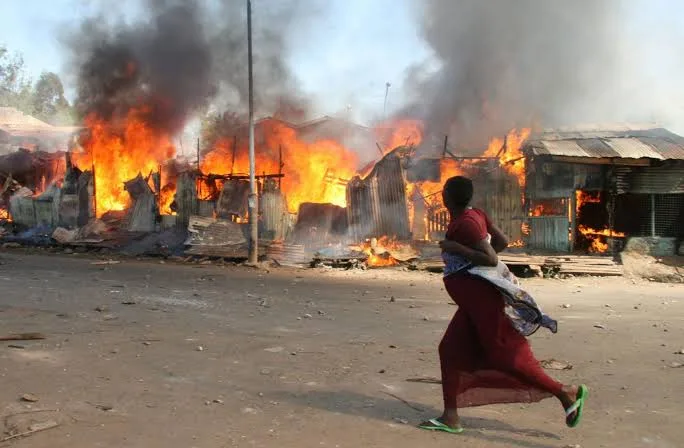
My sons and daughters, never mistake a man’s present comfort for an easy past. As we say in Luganda, Tewewana mbu gwe onyambye. Nneekoledde! I have endured the fire to become the man I am today.
Let me take you back to 1996, shortly after President Museveni’s election victory, when my company was undertaking roadworks in Moroto, Karamoja.
Those were different times. The Bokora, Matheniko, Jie, Pokot and Tepeth were formidable communities, fiercely protective of their land, traditions and ancestral beliefs.
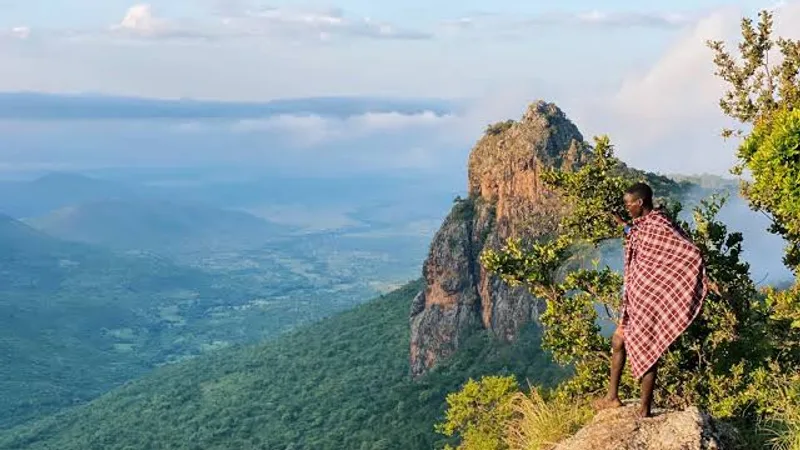
Mount Moroto stood majestically above them, commanding respect from everyone who approached it.
I drove a brand-new Nissan Sahara, a vehicle that attracted admiration wherever it went.
Yet even that powerful machine surrendered halfway up Mount Moroto when I attempted to reach a water source for a project commissioned by the Bishop of Moroto, His Eminence Bishop Kalanda.
A Suzuki followed, but it too failed.
The Tepeth elders eventually made their position clear: no work could proceed without appeasing their ancestral gods.
As a committed Catholic, I initially resisted. Eventually, however, I submitted to their traditional ceremony.
A male donkey, milk and a she-goat were required. More than 100 villagers gathered, and a ritual involving animal blood, traditional cleansing and communal feasting followed.
I drank the prescribed mixture and received a rib bone necklace, which I had to wear until the project was completed.
My wife misunderstood the mysterious necklace and fled, calling me a witchdoctor. I endured the humiliation but honoured my oath.
Eventually, the water project was completed. However, rival community claims over ownership of the water source led to the destruction of the HDPE pipes.
The Catholic Church and the NRA intervened to restore peace, and we were compensated for the damaged work.
Yet my greatest discovery came at the Moroto district headquarters.
An inscription on the building credited its construction to the money of the Kabaka of Buganda, Ssekabaka Frederick Mutesa.
I was stunned by this forgotten historical connection between Buganda and Karamoja.
Another dramatic episode involved rescuing my machine operator, who faced death threats after impregnating a Matheniko girl.
I secretly drove the couple to Namalu for safety. Remarkably, they eventually married and settled in Kyanamukaka, where they still have a family.
Today, I remember Moroto not merely for the money I earned, but for the lessons it taught me about courage, cultural respect, sacrifice and brotherhood.
I arrived as an engineer seeking to deliver water. I left having encountered a mountain, a people, a forgotten royal legacy and experiences no classroom could teach.
A man is not made by the money he counts, but by the fire he survives.