Uganda’s housing sector is being challenged to embrace innovative construction technologies, financing models and sustainable urban planning as the country seeks to bridge a housing deficit estimated at 2.48 million units.
The call will take centre stage at the 2nd Uganda Real Estate and Housing Expo (UREHE) 2026, scheduled for September 25–26 at Kingdom Kampala Gardens, where Government, developers, investors, financial institutions, professionals and other sector players will explore practical pathways towards affordable housing.
The two-day expo and housing workshop, organised by the Ministry of Lands, Housing and Urban Development in partnership with Douglas Events Ltd and the Uganda Society of Architects, will run under the theme “Innovative Solutions for Sustainable Housing.”
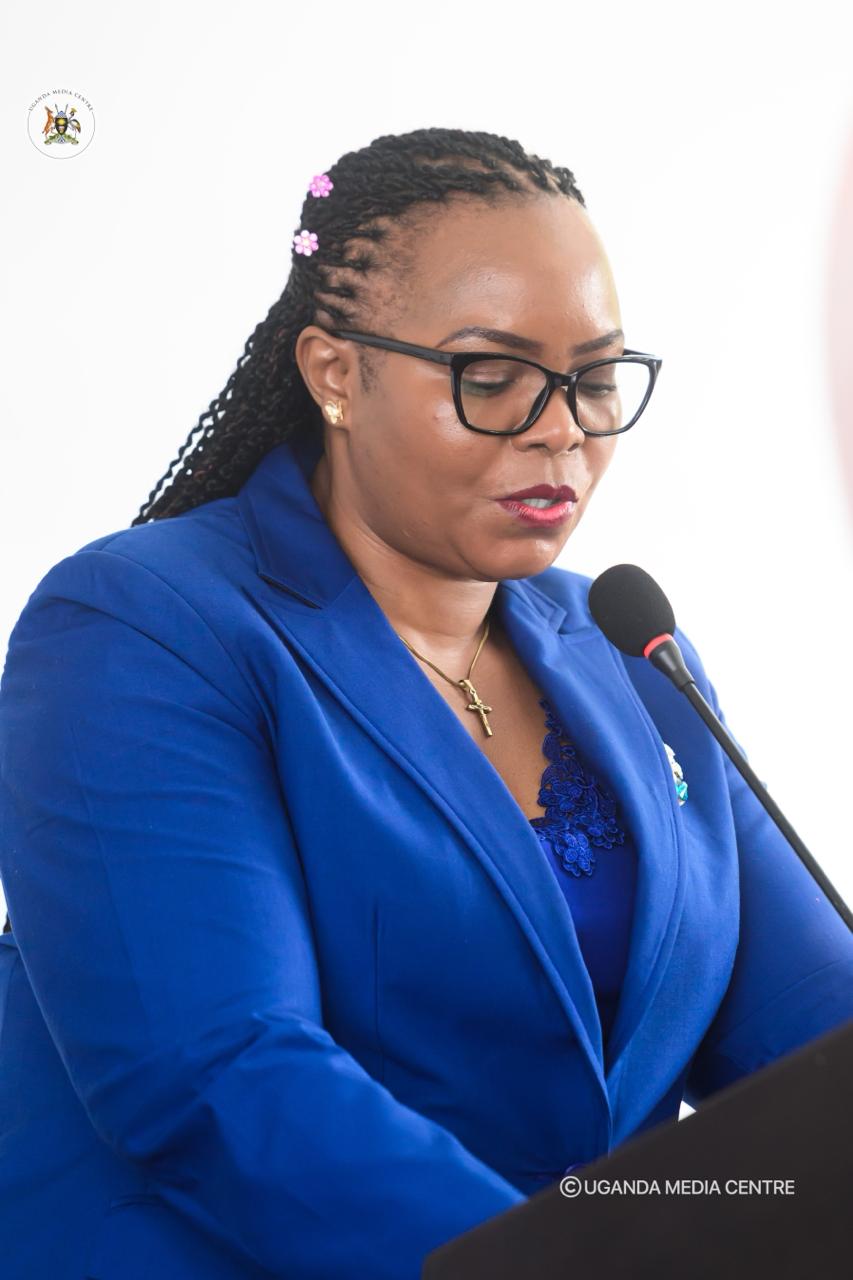
Minister of State for Housing, Hon. Princess Persis Namuganza, said the expo is intended to move the housing conversation beyond conventional approaches and create a platform where stakeholders can share solutions capable of delivering homes faster, more affordably and at scale.
“The overall objective of the Expo is to convene partners to unlock Uganda’s real estate potential to promote orderly urban growth and efficient land use planning to deliver affordable housing,” Namuganza said.
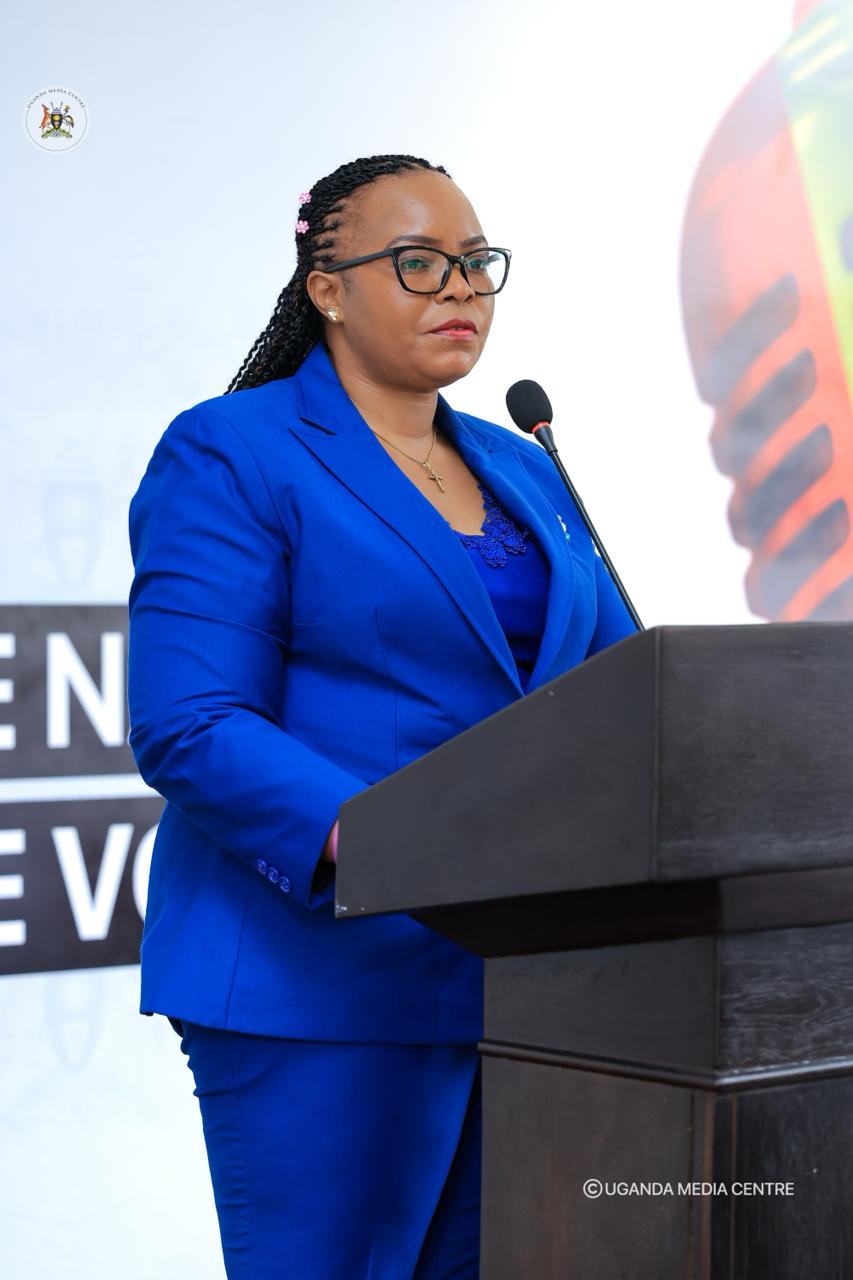
She said the expo will particularly focus on improving access to affordable and inclusive housing for low-income households while giving innovators and industry players an opportunity to showcase new designs, technologies and financing solutions.
The minister said stakeholders will also examine emerging trends in the housing market and approaches that can reduce both the cost and time required to construct homes.
“The Expo presents a strategic platform to foster dialogue, showcase innovation and unlock strategic pathways to deliver affordable housing for all Ugandans,” she said.
The expo comes at a time when Uganda’s rapid urbanisation is placing increasing pressure on land, infrastructure and social services, while high construction costs and limited access to affordable financing continue to constrain home ownership.
Namuganza said the scale of the housing deficit means that conventional construction methods alone cannot provide an adequate response.
“Uganda’s housing deficit stands at 2.48 million units, a gap that cannot be closed through conventional construction approaches alone,” she said, stressing the need for solutions that can deliver housing “faster, cheaper and at scale.”

The minister also pointed to climate-related challenges, including flooding, poor drainage and heat stress, which are increasingly influencing the way cities and settlements must be planned and developed.
She said the future of Uganda’s housing sector must therefore incorporate climate-resilient, disaster-ready and environmentally sustainable designs.
What the expo seeks to unlock
UREHE 2026 is expected to provide a meeting point for the public and private sectors to identify viable investment opportunities, exchange housing and land-related information and showcase alternative low-cost construction technologies.
It will also seek to strengthen partnerships between Government, private developers, financial institutions and professional bodies, with the ultimate objective of expanding housing options across different income categories.
Namuganza said Government wants the private sector to play a greater role in addressing the country’s housing needs, while ensuring that institutional and regulatory frameworks support sustainable development.

“The theme calls upon all stakeholders to harness innovative technologies and approaches that reduce the cost and time of housing construction,” she said.
She added that stakeholders must also strengthen partnerships between Government, the private sector and professional bodies to create a housing sector that is “inclusive, innovative and sustainable.”
Government lays groundwork for the next phase
Beyond the expo, the Ministry says it is pursuing a number of policy, regulatory and institutional interventions intended to improve the performance of Uganda’s housing and real estate sector.
These include implementation of the National Housing Policy 2016, National Urban Policy 2017, Physical Planning Act and its amendments, Condominium Property Act, Landlord Tenant Act and energy-efficiency guidelines for buildings.
The ministry has also operationalised 23 ministerial zonal offices, bringing land, valuation and physical planning services closer to the public.
Namuganza said Government is further implementing the National Physical Development Plan IV, which is intended to guide spatial and human-settlement development, while preparations are underway for the implementation of the Uganda Cities and Municipal Infrastructure Development Programme (UCMID).

The Ministry will also offer free land title searches at its exhibition stall during UREHE 2026, providing members of the public with an opportunity to access land-related services and information.
Looking beyond the two-day expo
The ministry expects UREHE 2026 to generate more than a temporary conversation around housing, with the sharing of low-cost housing solutions, identification of viable investment opportunities and stronger collaboration between public and private sector players forming part of its anticipated outcomes.
Namuganza said the expo reflects Government’s intention to work with private-sector players and professional partners in confronting the country’s housing challenge while promoting orderly urban growth.
“I encourage more sponsors and exhibitors to confirm their participation,” she said, as the ministry prepares to host stakeholders at Kingdom Kampala Gardens on September 25 and 26.
Major sponsors confirmed for the expo include MTN Uganda, 88 Residency Kenya, Steel and Tube Industries and Regal Paints Uganda.